Tap and toilet repairs in Hillsdale 2036
Taps and toilets are the everyday workhorses of a home, and in Hillsdale's unit blocks they're often decades old. A tap that drips, a toilet that runs, or a hose that weeps under the sink might seem small, but in a three-storey block, the leak that starts in your bathroom can end up on your neighbour's ceiling. In the post-war cottages, washer taps and older cisterns are just as tired. We're around the corner in Matraville, and these are some of the most common jobs we do in Hillsdale.
Tap and toilet jobs we do
Dripping taps
Washers, seats, spindles and cartridges replaced so taps shut off cleanly.
Leaking mixers
Mixer cartridges and O-rings replaced, or the mixer replaced.
Running toilets
Inlet and flush valves replaced so the cistern fills once and stops.
Leaking toilets
Pan seals, hoses and stop taps repaired.
Concealed cisterns
In-wall cisterns serviced through the flush plate.
Valves and hoses
Seized isolating valves and old braided hoses replaced.
Signs a tap or toilet needs attention
- A tap that drips after it's turned off.
- Water at the handle or base of a mixer.
- A toilet that trickles into the bowl or refills on its own.
- Water at the base or back of the toilet.
- A button that sticks.
- A stiff tap or lever.
- Damp under the sink or vanity.
- Isolating valves that won't turn.
Why taps and toilets wear out in Hillsdale
Old fittings in post-war blocks
Many of Hillsdale's three-storey unit blocks were built after the war, and their bathrooms and kitchens have been updated piecemeal since. It's common to find a newer mixer in the kitchen, original washer taps in the laundry, and a toilet from a 1990s update. Each wears differently.
Washer taps in cottages
Older cottages, like those on Rhodes Street, often still have washer taps. The washer hardens and the seat wears a groove, so the tap drips however hard it's turned. We re-cut the seat when we repair it.
Mixers and cartridges
Mixers in units are now often 15 to 25 years old. Their cartridges wear, and some aren't made any more. We identify the brand and model before ordering parts.
Cisterns at 20 to 30 years
Toilets from 1990s and 2000s updates have inlet and flush valves that are hardening and wearing. A running toilet is usually a quick valve replacement.
Water pressure
Ground-floor units can have higher pressure, which wears washers, cartridges and inlet valves faster. A pressure limiting valve helps.
Hillsdale homes and their taps and toilets
| Home type | Typical fixtures | Common faults |
|---|---|---|
| Three-storey unit blocks | Mix of mixers and washer taps; close-coupled toilets | Drips, running cisterns, hose leaks |
| Post-war cottages | Washer taps, older toilets | Worn seats, worn valves, seized stop taps |
| Housing Commission homes | Original and replacement fixtures | Old parts, no isolating valves |
| Newer apartments near Southpoint | Imported mixers, concealed cisterns | Cartridges, in-wall valves |
How we fix taps and toilets
- Ask what's happening, and for a photo and any brand name.
- Turn off the water at the isolating valve or meter.
- Find the cause: washer, seat, cartridge, valve, seal or hose.
- Give you options to repair or replace, each with a fixed price.
- Repair or replace with quality parts.
- Test it and check for leaks, especially in units with a home below.
Repair or replace?
| Problem | Usually a repair | Usually a replacement |
|---|---|---|
| Washer tap dripping | New washer and re-cut seat | Corroded body |
| Mixer dripping | New cartridge | Cartridge no longer made |
| Running toilet | New inlet and flush valves | Cistern with no parts |
| Toilet leaking at the base | New seal and re-seat | Cracked pan |
| Seized isolating valve | Replace the valve | Not applicable |
What affects the cost
- The fixture and whether parts are available.
- How many are done in one visit.
- Access: tight vanities and cupboards.
- Isolation: whether there are working isolating valves.
- A new fixture: depends on the model.
You get a fixed price before any work starts.
Who's responsible?
- You: taps, toilets, hoses and valves in your home.
- Owners corporation: shared pipes and stacks.
- Sydney Water: the main and meter.
Quick checks you can do
- Tap: drips from the spout mean the washer or cartridge; water at the handle means O-rings.
- Toilet: a few drops of food colouring in the cistern, no flushing for 20 minutes; colour in the bowl means a leak.
- Under the sink: look for damp or rusty hoses.
- Isolating valves: check they turn.
- Behind the toilet: check the stop tap and hose.
See our running toilets and dripping taps guide.
Signs it's urgent and when it can wait
- Call straight away if a toilet overflows, a tap won't turn off, or water is reaching the unit below.
- Call soon if a toilet leaks at the base or it's your only toilet and it won't flush.
- Book a time if a tap drips or a toilet runs.
A recent toilet repair nearby
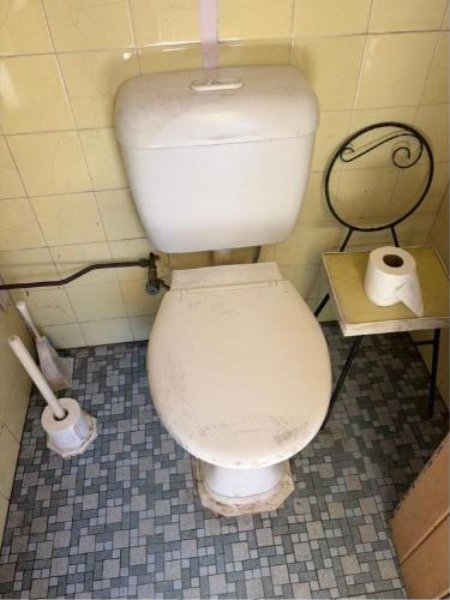
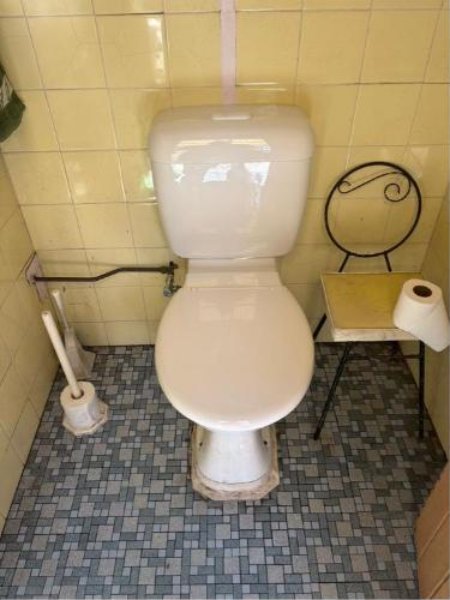
Here's a recent toilet repair nearby in Chifley.
Toilet leaking at the back repaired, Chifley (nearby)
The problem: a toilet in a Chifley home was leaking at the back.
What we did: we tracked down where the water was getting out and repaired the leak at the back of the toilet.
The result: the toilet works without leaking and the floor stays dry.
“Great plumber, fixed my leaking taps quickly and at a great price!”
Tom (Google review)
More local work is on our recent projects page.
Taps and toilets across Hillsdale
- Unsted Crescent and the unit streets: mixed fixtures in three-storey blocks.
- Rhodes Street and the cottage streets: washer taps and older toilets.
- Along Bunnerong Road: newer apartments near Southpoint.
- Near Wentworth Avenue: homes close to Eastgardens.
- Near Matraville Public School: older homes shared with Matraville.
Taps in Hillsdale kitchens, bathrooms and laundries
Each room puts a different kind of wear on its taps. The kitchen mixer gets turned on and off dozens of times a day, often with wet or greasy hands pushing the lever hard to one side. That's why kitchen cartridges are usually the first to go: the lever gets stiff, drips from the spout, or leaks around the handle. Bathroom basin taps get less use but sit in a damp room where soap and hard water build up around the spindle. Shower mixers sit inside the wall, so a worn cartridge can drip down the shower rose or, worse, leak behind the tiles. Laundry taps are often the oldest in the home, with washer taps left from the original build and hoses to the washing machine that haven't been checked in years.
When we visit a Hillsdale unit for one tap, we'll take a quick look at the others while we're there and tell you if anything is close to needing attention. That way you can decide whether to do it in the same visit or leave it for later, and you're not paying for another call-out a few months down the track.
Kitchen mixers
Most kitchen mixers have a ceramic cartridge that controls both flow and temperature. When it wears, the lever may drip, feel gritty, or not shut off fully. We take the handle off, identify the cartridge, and replace it with a matching one. If the mixer is an unbranded import with no spare parts, replacing the whole mixer is often the better choice. We'll show you both options and the fixed price for each.
Basin taps and vanity mixers
Basin taps in older Hillsdale bathrooms are often washer-type pillar taps. Vanity mixers in updated bathrooms are usually cartridge mixers. Both can drip from the spout or leak at the base. Leaks at the base often run down inside the vanity, where they rot the cabinet floor before anyone notices, so it's worth looking inside the cupboard if you see water around the tap.
Shower mixers and taps
Shower taps and mixers are the ones most likely to cause hidden damage. A dripping shower is annoying, but a leaking spindle or cartridge seal inside the wall can wet the framing and the wall behind. If you notice damp skirting boards outside the bathroom, loose tiles, or a musty smell, it's worth getting the shower checked. We can usually replace the cartridge or spindles from the front without removing tiles.
Laundry taps and washing machine hoses
Laundry taps are often left open all the time to supply the washing machine, which means the machine's hoses are under pressure day and night. If the hoses are old, they can burst without warning. We recommend turning the laundry taps off when you go away, and replacing machine hoses every few years. If the taps themselves are stiff or dripping, we can repair or replace them.
Toilets in Hillsdale homes
Toilets fail in a few common ways. The cistern may keep running into the bowl, refill on its own every so often, or take ages to fill after a flush. The button may stick, need to be held down, or only give a half flush. The toilet may weep at the base, at the back where the pan meets the wall, or at the hose under the cistern. Each fault has a different cause, and most can be repaired without replacing the toilet.
Running and refilling cisterns
A cistern that runs or refills on its own is usually caused by a worn flush valve seal letting water slip into the bowl, or an inlet valve that doesn't shut off fully and lets water flow down the overflow. Both waste water quietly, and in a unit with a shared meter, that waste adds to everyone's bill. Replacing the valves usually takes well under an hour.
Buttons that stick or give a weak flush
Push buttons connect to the flush valve with rods or cables. Over time, the button mechanism wears, rods slip out of adjustment, or limescale builds up. We adjust or replace the button and mechanism so you get a full flush and a half flush when you need them.
Leaks at the base or back of the pan
Water around the base of the toilet can come from the pan connector at the back, the seal under the pan, a cracked pan, or condensation in cold weather. We dry everything off, find the source, and fix it. In an upstairs unit, we treat this as a priority because it can reach the ceiling below.
Old toilets with no spare parts
Some older toilets in Hillsdale have cisterns with parts that are no longer made. Universal valves fit many of them, but not all. If the cistern can't be repaired properly, we'll explain your options for a new suite, including models that fit the existing set-out so the floor doesn't need work.
When a tap or toilet problem is actually something else
Sometimes the fault isn't the tap or toilet itself. Low flow at one tap can be a blocked aerator or a partly closed isolating valve. Low flow at every tap can point to the meter, a pressure problem, or old galvanised pipes narrowing inside. Banging when you turn a tap off can be water hammer, which a water hammer fix can help with. A toilet that gurgles or drains slowly is usually a drain problem rather than the toilet, so see blocked drains in Hillsdale. We check these things while we're there, so you get the right fix the first time.
Taps, toilets and your water bill
A dripping tap can waste thousands of litres a year, and a running toilet can waste far more, often without making much noise. In Hillsdale houses with their own meter, that shows up on your bill. In unit blocks with a shared meter, it's spread across every owner, which makes it easy to miss. If your bill has jumped, or the owners corporation has noticed higher water use, checking each tap and toilet is a good first step. The food colouring test only takes a few minutes per toilet, and a quick look under each sink will show any weeping hoses or valves.
If everything in the home looks dry but water use is still high, the leak may be in a pipe under the floor, in a wall, or in the garden. That's when a proper leak check helps. We can test at the meter to confirm whether water is being lost and then narrow down where.
Getting ready for our visit
- Take a photo of the tap or toilet, the flush plate, and anything printed on the fixture.
- Clear the cupboard under the sink or vanity so we can reach the valves.
- Know where your meter is, especially in a unit block with a bank of meters.
- Tell us about access: stairs, parking, and any building rules on work hours.
- List everything you'd like looked at so we can bring the right parts.
The more we know before we arrive, the more likely we can finish the job in one visit with parts from the van.
Older family members and easier fixtures
Many Hillsdale homes have older owners or family members living with them. Stiff washer taps can be hard on sore hands, and low toilets can be hard to get up from. Lever mixers, quarter-turn taps and taller toilet pans make day-to-day life easier and safer. We can fit these as part of a repair, and suggest options that suit the existing set-out so no floor or wall work is needed. A tempering valve on the hot water also reduces the risk of scalds at the bathroom taps.
Why our tap and toilet repairs last
We use quality parts that match the fixture, re-cut tap seats rather than just swapping washers, replace worn O-rings and seals while the tap is open, and check isolating valves and hoses at the same time. We test every repair before we leave, and in units we check for any water getting out where it shouldn't. Our labour is covered by a lifetime warranty, so if the repair we did fails, we come back and fix it.
Hoses under every sink and toilet
Braided hoses connect most taps and toilets to the pipes. They're under mains pressure all the time and have a limited life. In a Hillsdale unit, a burst hose can flood your home and the one below. If yours are rusty, frayed or kinked, replace them. Doing every hose in the unit in one visit is quick and good value. See flexi hose replacement.
Isolating valves
Isolating valves under sinks, basins and behind toilets let you turn off one fixture without shutting off the whole unit. Many in older Hillsdale units have seized or were never fitted. When a tap needs repair and the valve won't turn, the water has to go off at the meter, which in a block can mean finding the right one in a bank. We replace seized valves while we're there.
Toilets above the neighbours
In a unit block, a toilet that weeps at the pan seal or hose can stain the ceiling below over a few months. If a neighbour reports a stain under your bathroom, check the toilet first: dry the base, flush a few times and look for water. See leak detection in Hillsdale.
Washer taps: repair or convert?
If your cottage or older unit still has washer taps, a proper repair with a re-cut seat stops the drip for years. Or ceramic disc conversion spindles turn them into quarter-turn taps that drip far less, without changing the tap bodies.
Concealed cisterns
Newer apartments near Southpoint often have concealed cisterns. The flush plate lifts off to give access to the valves. With the right parts for the brand, most repairs don't touch the tiles. A photo of the flush plate before we come helps.
Choosing new taps and toilets
- Taps: match the holes, choose solid brass, and pick a brand with local spare parts.
- Toilets: measure the set-out, check floor or wall waste, and choose a dual-flush suite with a good water rating.
- Comfort: lever taps and taller pans are easier for older family members.
Looking after taps and toilets
- Rinse tap aerators every few months.
- Turn isolating valves off and on once a year.
- Don't over-tighten washer taps.
- Avoid drop-in cistern tablets.
- Do the food colouring test on toilets twice a year.
- Replace braided hoses every few years.
What to expect on the day
We give you a time window and let you know when we're on the way. Most tap and toilet repairs are done in one visit with parts from the van. We protect floors, test everything, and point out anything else close to needing attention.
Units, cottages and the owners corporation
In a Hillsdale unit block, the taps, toilets, hoses and isolating valves inside your unit are generally yours to look after, while the shared supply pipes, risers and stacks belong to the owners corporation. If a tap or toilet fault turns out to be on a shared pipe, such as a riser valve that won't shut off or a stack leak behind the toilet, we'll explain what we found, take photos, and give you a short written note you can pass on. That keeps things clear and saves arguments about who should pay. In a freestanding cottage, everything from the meter to the fixtures is yours, so we can look at the whole system in one visit if you'd like peace of mind on the older pipes as well as the tap or toilet you called about.
If you're not sure whether the problem is yours or shared, call us anyway. We'll find the cause first, then you'll know who needs to sort it out.
Not sure where to start? Tell us what's dripping, running or leaking, send a photo if you can, and we'll let you know the likely cause and the options before we arrive. Most Hillsdale tap and toilet jobs are sorted in a single visit.
Words explained
- Washer: the rubber disc in a traditional tap.
- Seat: the brass ring the washer closes on.
- Cartridge: the unit inside a mixer.
- Inlet valve: refills a toilet cistern.
- Flush valve: holds water in the cistern until you flush.
- Isolating valve: a small valve that turns off one fixture.
More help in Hillsdale: toilet repair; also tap repair.
What happens when you call
Tell us what's going on
Call or send a quick form. A photo of the problem helps us come prepared. No call-out fee.
Options and a fixed price first
We find the cause, explain your options and give you a fixed price for each before any work starts.
Fixed, tested and backed
We do the work, test it, clean up, and back our workmanship with a lifetime labour warranty.
Why Hillsdale homeowners call us
- Based in Matraville, around the corner from Hillsdale
- Rated 5.0 from 110 Google reviews
- Free quotes, with options and a fixed price before any work starts
- Lifetime labour warranty on our workmanship
- Licensed plumbers, drainers and gasfitters (Lic. 398171C)
Tap and toilet questions from Hillsdale homeowners
Why does my tap still drip with a new washer?
The seat is probably worn. We re-cut it.
Can you repair my mixer?
Usually, with a new cartridge.
Why does my toilet keep running?
Usually a worn inlet or flush valve.
My toilet leaks at the base. Is it urgent?
In a unit, yes. Water can reach the ceiling below.
Can you repair a concealed cistern?
Yes, through the flush plate.
Do I need to turn all the water off?
Only without working isolating valves. We can fit them.
Can you replace my hoses?
Yes, all of them in one visit if you like.
Can you convert washer taps to quarter-turn?
Often, with ceramic disc spindles.
How long does a repair take?
Most take under an hour.
Can you supply new taps or toilets?
Yes, or fit ones you've bought.
What's the food colouring test?
A few drops in the cistern and no flushing for 20 minutes. Colour in the bowl means a leak.
Can you do several jobs in one visit?
Yes. It saves another call-out.
More plumbing in Hillsdale: our Hillsdale plumber page, leak detection, blocked drains and hot water. Nearby: taps and toilets in Pagewood and Matraville. Guides: leaking toilet, mixer tap leaking and ceramic disc vs washer taps.