Leak detection in Malabar 2036
A hidden leak can run for months before anyone notices. In Malabar, leaks turn up in older water pipes under floors and front yards, in outdoor pipes and taps corroded by salt air, and in the bathrooms and kitchens of extended and updated homes. The first sign is often a higher water bill, a damp patch or a meter that keeps turning when every tap is off. We're a short drive away in Matraville and can track it down.
Leaks we find and fix
Under-floor leaks
Leaking pipes under timber floors found from the subfloor and repaired.
Slab and wall leaks
Leaks in slabs and walls located and repaired or rerouted.
Water service leaks
Leaks between the meter and the house found under front yards and paths.
Corroded outdoor pipes
Rusted or scaled pipes and taps outside the home replaced.
Toilet and tap leaks
Running cisterns, leaking connectors and dripping taps fixed.
Hot water leaks
Leaking valves, fittings and tanks found and fixed.
Signs of a hidden leak
- A water bill higher than usual with no change in use.
- The meter moves with every tap off.
- Damp patches on walls, ceilings or floors.
- Mould or a musty smell that won't go away.
- Soggy or lush patches in the yard.
- Lower water pressure than usual.
- Green scale or rust where pipes leave the wall.
- The sound of running water when nothing is on.
Why leaks happen in Malabar homes
Salt air on outdoor pipes
Copper and steel pipes outside the home, at garden taps, the hot water system and where pipes leave the wall, are exposed to salt air every day. Over time, corrosion thins the pipe or weakens fittings until they weep. We often find small leaks at outdoor fittings that have been dripping into the garden unnoticed.
Older water pipes
Some Malabar homes still have older galvanised steel or early copper water pipe under the floor or in the front yard. Galvanised rusts from the inside until it leaks at threads and joints. Early copper can split where it rubs against framing or was bent tightly.
Old and new pipe joined together
Extensions and updates often join new pipe to old. A join made with the wrong fitting, or between two different metals, can corrode and leak.
Sandy ground and roots
Pipes in sandy ground can shift, and roots can crush or lift a water service. Leaks in sand often drain away without a puddle, so they're easy to miss.
Water pressure
High mains pressure strains every joint. A pressure limiting valve after the meter helps.
Malabar homes and where leaks hide
| Where | Common causes | What we look for |
|---|---|---|
| Outdoors | Corroded copper, steel and brass fittings | Green scale, rust, damp ground below taps |
| Under timber floors | Galvanised or early copper | Damp subfloor, soft floor, running water sound |
| In the front yard | Old water service in sand | Lush strip of grass, low pressure, sinking pavers |
| In walls and showers | Fittings, mixer seals, extension joins | Bubbling paint, loose tiles, mould |
Why leaks hide in Malabar
Malabar sits on sand and sandstone between Anzac Parade and Long Bay. In the sandier streets, a leak in the front yard can drain straight down without ever making a puddle, so the first sign is often the bill. On the rockier parts of the slope, water can travel along the rock and come up somewhere else entirely, which is why the wet spot isn't always where the leak is.
Many of the post-war cottages still have some original copper or galvanised pipe, sometimes joined to newer plastic pipe from later work. The joins between old and new are a common place for a leak to start. Rebuilt homes and duplexes usually have newer pipe, but a nail or screw through a pipe can leak slowly for years before anyone notices. Our guides to a wet patch in the yard, hearing water running and mould on walls cover the signs.
How we find a leak
- Confirm the leak at the meter with every tap off.
- Isolate sections to narrow down where it is: inside, outside, hot or cold.
- Check the obvious first: toilets, taps, outdoor fittings and the hot water relief valve.
- Use leak detection equipment: acoustic listening, pressure testing and moisture meters.
- Pinpoint the spot and show you before we open anything.
- Give you options: repair, replace a section, or reroute, each with a fixed price.
Repair, replace or reroute?
| Situation | Usually best |
|---|---|
| One leak in sound pipe | Repair the section |
| Corroded outdoor pipe | Replace the exposed run with fittings suited to salt air |
| Leak in old galvanised | Replace the run, as more leaks are likely |
| Leak under a slab | Reroute through the wall or ceiling, or repair if accessible |
| Leak in the front yard service | Repair, or replace the service if it's old |
What affects the cost
- How hard the leak is to find.
- Where it is: outdoors, subfloor, wall, slab or yard.
- What's on top: tiles, plaster, concrete or paving.
- Repair or replace.
- Making good after opening a wall or floor.
You get a fixed price for each option before any repair starts.
Who's responsible?
- You: pipes from the meter to your home and inside it.
- Sydney Water: the main and the pipe up to and including the meter.
If water is leaking on the street side of your meter, report it to Sydney Water.
The meter test
- Turn off every tap and water-using appliance.
- Read the meter and note the numbers, or watch the small dial.
- Wait an hour without using water.
- Read it again. If it's moved, there's a leak somewhere.
See our water meter guide.
Signs it's urgent and when it can wait
- Call straight away if water is pouring, coming through a ceiling, or near electrics.
- Call soon if the meter is moving fast, or there's a growing damp patch.
- Book a time if your bill is higher than usual or the meter moves slowly.
A recent leak repair nearby
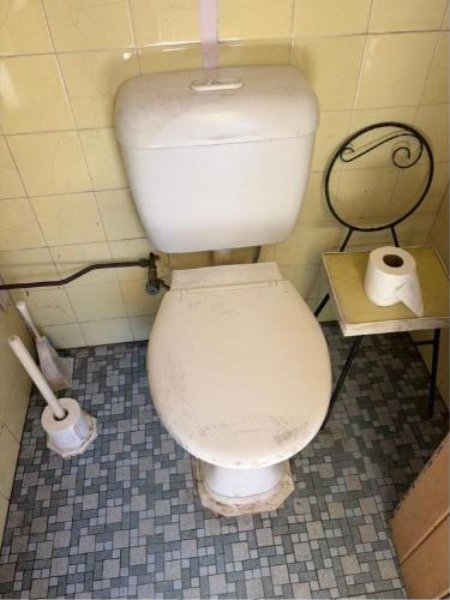
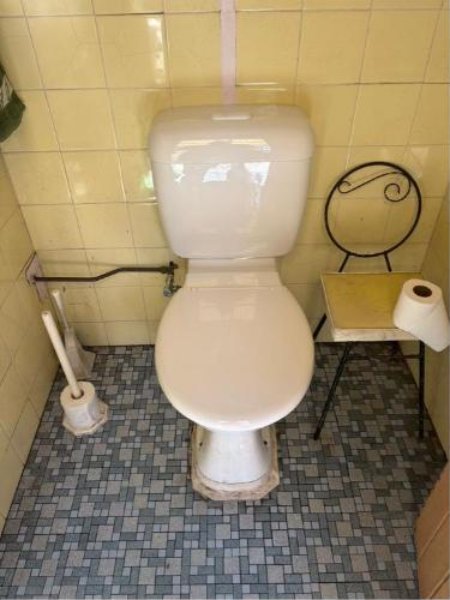
Here's a recent leak we found and fixed nearby in Chifley.
Toilet leaking at the back repaired, Chifley (nearby)
The problem: a toilet in a Chifley home was leaking at the back.
What we did: we tracked down where the water was getting out and repaired the leak at the back of the toilet.
The result: the toilet works without leaking and the floor stays dry.
“Great plumber, fixed my leaking taps quickly and at a great price!”
Tom (Google review)
More local work is on our recent projects page.
Leaks across Malabar
- The beach end near Long Bay: outdoor pipes and taps most exposed to salt air, and sandy yards that hide leaks.
- Around Cromwell Park: older cottages with original pipe under timber floors.
- The slopes up to Anzac Parade: rocky ground where water travels and surfaces away from the leak.
- Near the headland: long front-yard services in exposed spots.
- Rebuilt blocks: newer pipe, but the occasional nail or screw through a pipe.
Outdoor leaks: the coastal culprit
In Malabar, outdoor fittings are a common source of hidden leaks. A garden tap that drips slowly into a garden bed, a corroded joint where the pipe leaves the wall, or a weeping valve at the hot water system can run for months without anyone noticing, because the water soaks into the sand. Walk around the outside of the house every few months and look closely at every tap, pipe and fitting. Green crust, rust, white salt deposits or a patch of ground that's always damp are all worth checking. When we replace corroded outdoor pipe, we use fittings and brackets that stand up better to salt air.
Toilets: the most common hidden leak
A running toilet is one of the most common causes of a high water bill. A worn flush valve seal lets water trickle into the bowl day and night, and an inlet valve that doesn't shut off sends water down the overflow. The food colouring test finds most cistern leaks: a few drops in the cistern, no flushing for 20 minutes, and colour in the bowl means a leak. Drying the base and looking after a few flushes finds most connector leaks, like the one in the Chifley job above.
Leaks under timber floors
Many older Malabar homes have timber floors over a crawl space, with water pipes underneath. A leak there can soak the soil and timbers for months. Signs include a musty smell, a soft spot in the floor, damp skirting boards or the sound of running water. We go into the subfloor, follow the pipes and find the leak. If the pipe is old galvanised, we'll talk about replacing the run rather than patching one leak after another.
Leaks in the front yard
The water service runs from the meter to the house, often under a garden, path or driveway. In sand, a leak may not show as a puddle at all. Signs include a lush strip of grass, a sunken paver, low pressure or a high bill. We confirm the leak at the meter, trace the line and pinpoint the spot. If the service is old and leaking in more than one place, replacing it is usually the better choice.
Leaks in walls and showers
A leak in a wall shows up as bubbling paint, a damp patch, mould or loose tiles. Showers are a common source: a leaking mixer seal behind the tiles, failed waterproofing, or cracked grout. We work out whether water is coming from a pressurised pipe, which leaks all the time, or from the shower in use. That tells us where to look and what kind of repair is needed.
Leak detection equipment
- Acoustic listening: picks up the sound of water escaping from a pressurised pipe.
- Moisture meters: measure damp in walls, floors and timber.
- Pipe locators: trace where pipes run before we open anything.
- Pressure testing: isolates sections to confirm which one is leaking.
Insurance and leak reports
If a leak has caused damage, your insurer will usually want to know the cause, where it was and what was repaired. We write a short report with photos. We can't tell you what your policy covers, but we can give you the facts your insurer will ask for.
What a leak costs you
A small leak runs all day and night. A running toilet or a pinhole in a pipe can waste thousands of litres a month. The water bill is the obvious cost. The less obvious costs are the damage: rotting floor timbers, swollen cabinets, mould in walls, and sand washed away under paths and slabs. Finding and fixing a leak early is almost always cheaper than dealing with the damage later.
Galvanised pipe: one leak usually means more
If your home still has galvanised steel water pipe and it's started leaking, more leaks are likely. The whole system is the same age and has been corroding from the inside at the same rate. Replacing the galvanised, all at once or in stages starting with the worst runs, ends the cycle and usually improves pressure and water quality. See galvanised pipes.
Hot water leaks
Leaks at the hot water system are easy to miss when it's down the side of the house. Near the water, corroded fittings and seized valves are common causes. The relief valve may also discharge more than it should if pressure or temperature is too high. Hot water leaks waste both water and the energy used to heat it. See hot water in Malabar.
Garden taps, irrigation and outdoor showers
Outdoor leaks are easy to overlook. Garden tap risers corrode at ground level. Irrigation systems have many joints buried in garden beds. Outdoor showers, popular near the beach, have mixers and pipes exposed to the weather. If the meter test shows a leak but you can't find anything inside, the garden is the next place to look. Turning off the irrigation at its valve and repeating the test narrows it down quickly.
Leaks while you're away
A leak that starts while you're on holiday has days or weeks to do damage. If the home will be empty, turn off the water at the meter, or at least turn off the washing machine taps and the hot water's cold supply. When you get back, read the meter before turning the water on and again an hour later.
Before you call
- Do the meter test and note whether the meter moved.
- Note where you've seen damp, stains, corrosion or soggy ground.
- Check your recent bills for a jump in usage.
- Check toilets with the food colouring test.
- Walk around outside and look at every tap and fitting.
The more we know before we arrive, the faster we can narrow down the leak.
After the leak is fixed
- Do the meter test again a day later to confirm there's no other leak.
- Keep subfloor vents clear so damp areas can dry.
- Watch damp walls and ceilings over the next few weeks.
- Check your next water bill.
- Check outdoor fittings every few months.
Leaks under slabs
Updated and newer homes are sometimes built on concrete slabs, with water pipes running in or under them. A slab leak can show up as a warm spot on the floor from a hot water pipe, damp at the base of walls, cracked tiles, or a meter that moves with everything off. We use acoustic listening, pressure testing and moisture readings to narrow down the spot. Breaking the slab is a last resort. Often, the better option is to isolate the leaking section and run a new pipe through the walls or ceiling.
Leaks in extended homes
Many Malabar homes have been extended with a new bathroom, laundry or kitchen. Each extension connected to the existing water pipes, often joining new copper or plastic to old galvanised or early copper. Joins between different metals can corrode, especially in damp coastal air, and joins made without the right fitting can work loose. If a leak appears near where an extension meets the original house, that join is one of the first places we check.
Leaks and water pressure
If your water pressure has dropped noticeably, a leak is one possible cause, especially a large one on the water service. Other causes include a partly closed meter valve, a failing pressure limiting valve, or old galvanised pipes narrowing inside. If pressure is very high, leaks become more likely and you may hear water hammer when taps close. We test the pressure at the meter and the taps to work out what's going on.
Leaks in new fittings
Even in an updated bathroom or kitchen, leaks happen: a fitting not fully tightened or crimped, a pipe pierced by a screw during fit-out, or a mixer not sealed properly behind the tiles. These often show up in the first year or two. We find the leak, fix it and give you a report of what we found.
Why Malabar homeowners call us
We're a short drive away in Matraville and find leaks across Malabar, Maroubra, Chifley and Little Bay. We confirm the leak first, find it with the right equipment, and show you where it is before we open anything. You'll get options and a fixed price before any repair starts, and our workmanship carries a lifetime labour warranty.
Salt, damp and hidden corrosion
Salt air doesn't stop at the outside wall. In homes close to the water, damp salty air gets into subfloors, roof spaces and the cupboards under sinks. Over years, it can corrode pipe clips, fittings and the stainless braid on flexible hoses, even indoors. A hose under a sink with brown spots or a rough braid is close to failing. When we're in your home, we check these hidden spots too, because a burst hose or a corroded fitting under a vanity can do a lot of damage before anyone notices.
If you'd like peace of mind, our Priority Plan includes a free annual plumbing health check, which is a good chance to look over every tap, hose and fitting in the home. See our Priority Plan.
Getting a leak found quickly
The faster a leak is found, the less water is lost and the less damage it does. If you've done the meter test and it's moving, turn off the water at the meter between uses until we arrive, and keep a towel or bucket under any drip you can see. Tell us everything you've noticed, even small things like a tap that's started to hiss or a patch of lawn that stays green all summer.
Water meters near the coast
Your water meter sits outside, usually near the front boundary, and in Malabar it's exposed to the same salt air as everything else. The meter valve can stiffen or seize over time, which matters when you need to turn the water off quickly. Try turning it once or twice a year so you know it works. If it won't turn, don't force it; let us know and we'll check it. The meter belongs to Sydney Water, but knowing how to use it is the quickest way to stop a leak doing damage.
Leak words explained
- Water service: the pipe from the meter to the house.
- Corrosion: metal breaking down, sped up by salt air.
- Acoustic detection: listening for the sound of escaping water.
- Rerouting: running a new pipe by a different path.
- Pressure limiting valve: keeps mains pressure at a safe level.
More help in Malabar: burst pipes.
What happens when you call
Tell us what's going on
Call or send a quick form. A photo of the problem helps us come prepared. No call-out fee.
Options and a fixed price first
We find the cause, explain your options and give you a fixed price for each before any work starts.
Fixed, tested and backed
We do the work, test it, clean up, and back our workmanship with a lifetime labour warranty.
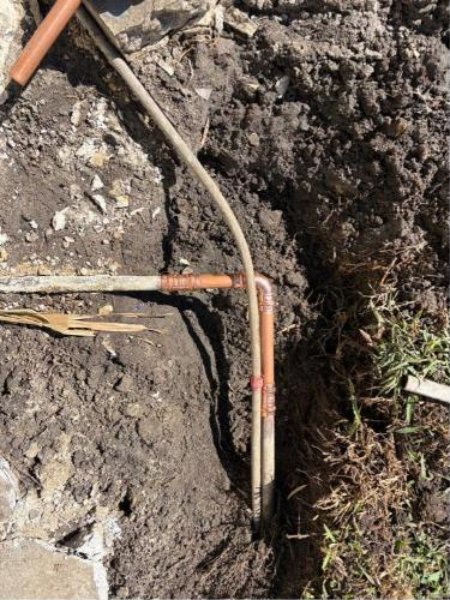
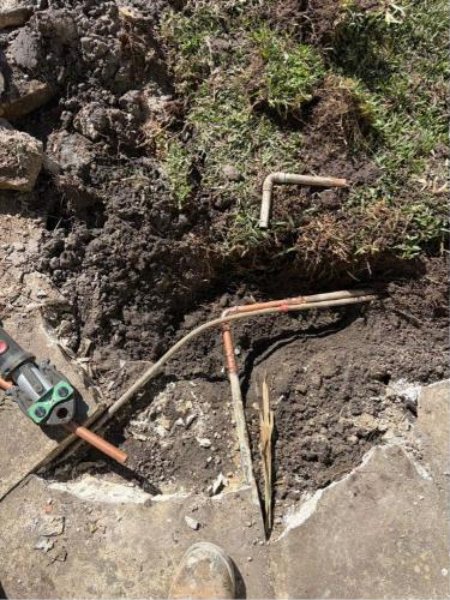
Jobs we finished recently
Why Malabar homeowners call us
- Based in Matraville, next door in Matraville
- Rated 5.0 from 110 Google reviews
- Free quotes, with options and a fixed price before any work starts
- Lifetime labour warranty on our workmanship
- Licensed plumbers, drainers and gasfitters (Lic. 398171C)
Leak questions from Malabar homeowners
My water bill is up but there's no wet patch. Can there still be a leak?
Yes. In Malabar's sandy soil a leak in the front yard line can drain away without showing on the surface. A meter test tells you quickly whether water is escaping.
Will you have to dig up my garden or floor?
Only where the leak is. We test the system section by section first, so we can open up the one spot that needs it rather than guessing.
Who fixes a leak near the water meter?
Sydney Water looks after the meter. The pipes and fittings on your side of it are the owner's to repair. If it's not clear which side the leak is on, we check and tell you before quoting.
Can a leak under the slab be fixed without breaking the floor?
Often, yes. Depending on where it is, we can bypass the leaking section with a new pipe run through the wall or ceiling instead. We'll show you the options and prices.
Can I get money back on my water bill for a hidden leak?
Sydney Water may give a hidden leak allowance once a licensed plumber has found and fixed the leak. We can give you the details of the repair to send them.
How do I know if I have a hidden leak?
Do the meter test: taps off, read the meter, wait an hour, read it again.
Can salt air cause leaks?
Yes. It corrodes outdoor pipes and fittings until they weep.
Will you have to cut my wall?
Sometimes, through a small opening once we've pinpointed the leak.
Why is there no puddle if the leak is in my yard?
In sand, water often drains away below the surface.
Can a running toilet cause a high bill?
Yes. It's one of the most common causes.
Can you give me a report for insurance?
Yes, with the cause, the repair and photos.
Do you repair the leak too?
Yes, once it's found.
More plumbing in Malabar: our Malabar plumber page, burst pipes, hot water, taps and toilets and toilet repair. Nearby: leak detection in Matraville, Maroubra and Little Bay. Guides: hidden leak guide and water meter guide.