Pipe relining in Malabar 2036
Malabar homes sit on a mix of beach sand and sandstone, falling from Anzac Parade down to Long Bay. Many of the older cottages still drain through their original clay pipes, and decades of tree roots, shifting sand and rebuilt driveways have taken a toll. Relining lets us fix those pipes without tearing up the yard. Our workshop is in Matraville, the next suburb over, so a camera inspection in Malabar is a short drive for us.
What pipe relining is, in plain terms
Relining puts a new pipe inside the old one. We clean the damaged pipe, then pull or push a liner soaked in resin into place. The liner is inflated so it presses against the old pipe wall, and the resin cures hard. When it's done, the cracks, open joints and root entry points are sealed behind a smooth, jointless lining. The old pipe becomes the outer casing for the new one.
A patch reline covers one damaged section, usually up to a metre or so, such as a single cracked joint where roots get in. A longer reline covers a full run between two access points, which suits a pipe that is cracked or root-affected along much of its length. The camera footage tells us which one your pipe actually needs.
Signs your Malabar drain may need relining
- The same drain blocks again and again, even after it's been cleared. That usually means roots are coming back through a cracked joint.
- A camera inspection has shown cracks, open joints or roots, and you've been told the only fix is to dig.
- The overflow gully in the yard spills after heavy rain or when the washing machine empties.
- Sewage smells near the side passage or a soft, damp patch over where the sewer runs.
- Sand keeps turning up in a stormwater pit you cleaned only months ago, which points to a broken joint letting the ground in.
- Gurgling toilets or slow drains across more than one fixture at once.
Why pipes fail in Malabar
Original clay sewer lines
Much of Malabar's older housing was connected to the sewer with short lengths of glazed clay pipe joined by mortar or rubber rings. The pipe itself is tough, but the joints aren't. Over time the joints open, and every gap is a doorway for roots and sand. On many Malabar blocks that clay line is still in service.
Sand that moves
The lower parts of Malabar, closer to Long Bay and Malabar Beach, sit on deep sand. Sand settles and shifts as it wets and dries, and pipes laid in it can sag or pull apart at the joints. A sag holds water and waste, which is where repeat blockages start.
Sandstone on the slopes
Higher up, towards Anzac Parade and around the Malabar headland, there's sandstone close to the surface. Pipes there were often laid shallow or bedded straight onto rock. Movement, tree roots wedging between pipe and rock, and the weight of later driveways can crack them. Digging in rock is slow, noisy work, which makes relining especially useful on these blocks.
Established gardens and street trees
Many Malabar homes have mature trees in the front and back gardens, and street trees along the nature strip. Roots follow moisture to the smallest crack in a clay joint and then grow inside the pipe. Cutting them out clears the drain, but they come back unless the crack is sealed.
Rebuilds and extensions over the old line
When cottages are extended or a rebuild goes up next door, old drains often end up under a new slab, deck or driveway. Damage to those pipes is common, and digging them up means breaking out concrete. Relining avoids that in most cases.
Malabar homes and their pipes
| Home type | What we usually find | Relining suitability |
|---|---|---|
| Older cottages near Long Bay | Original clay sewer and stormwater, roots at joints, sand in the line | Very good, often a patch or two at the worst joints |
| Cottages that have been extended | Old clay joined to newer PVC, damage where the two meet, pipe under a later slab | Good, relining avoids breaking out the slab |
| Post-war brick homes up the hill | Clay or early PVC laid shallow over sandstone, cracked by roots and movement | Very good, saves digging into rock |
| Newer rebuilds and duplexes | Modern PVC, usually sound; problems near the boundary or at the old connection | Case by case; often a short patch at the connection |
| Homes near the headland | Exposed, rocky ground and long runs to the sewer connection | Good, where access points allow |
How we reline a pipe, step by step
- Find the problem. We jet the line clear, then run a CCTV camera through it. You see the footage on screen, and we locate the damage from above so we know exactly where it is.
- Give you your options. Usually a patch reline, a longer reline, or a dig-up repair. You get a fixed price for each, and we explain what each one fixes and what it doesn't.
- Prepare the pipe. We cut out roots and remove scale, sand and any debris so the liner can bond to clean pipe.
- Measure and wet out the liner. The liner is cut to length and soaked in resin on site.
- Install and cure. The liner goes in through an existing access point, is inflated against the pipe wall and left to cure.
- Check the result. We run the camera through again so you can see the finished lining, and test the drain with water.
- Paperwork. You get the before and after footage and a compliance certificate for the work.
Relining services in Malabar
Patch relining
One cracked joint or a short damaged section sealed from inside, the most common fix for root entry.
Longer relines
A full length between access points relined when damage runs along the pipe.
Stormwater relining
Cracked stormwater lines that let sand in, relined so the pit stops refilling.
CCTV inspections
Camera footage of your pipe, with the damage located, before any decision is made.
Root cutting and jetting
Roots cut out and the line jetted so it can be inspected and relined properly.
Junction and connection repairs
Damage where branches join the main line, or at the connection near the boundary.
Relining or digging: which suits your Malabar pipe?
| Situation | Relining | Digging and replacing |
|---|---|---|
| Pipe under a driveway, slab or deck | Usually the better choice; no concrete broken | Means breaking and re-pouring concrete |
| Pipe through sandstone | Avoids rock cutting | Slow and disruptive |
| One or two cracked joints | A patch at each | A short dig at each, if access is easy |
| Pipe collapsed or badly sagging | Usually not suitable | Needs a dig-up repair of that section |
| Pipe under open lawn with easy access | Still an option | Can be just as practical |
| Pipe with a sag full of sand | May not fix the sag itself | Re-laying to the right fall fixes it properly |
We'll tell you honestly when relining isn't the right answer. A pipe that has collapsed, or one with a deep sag, generally needs that section dug up and re-laid. Sometimes the best plan is a mix: a short dig-up where the pipe has failed and a reline elsewhere.
What affects the cost of relining
- Length of pipe to be relined, and how many separate patches are needed.
- Pipe size: house drains and stormwater lines vary in diameter.
- Access: whether there's an inspection opening or gully we can work from, or one needs to be installed.
- Condition of the pipe: heavy roots or hard scale take longer to remove before lining.
- Bends and junctions in the run, which take more preparation.
- Any section that needs digging because it has collapsed.
Whatever the job, you get a fixed price for each option before any work starts, not an hourly rate.
Who's responsible for which pipe?
- You (the homeowner): the private sewer pipes on your property, from your fixtures down to the point where your line connects to Sydney Water's sewer, and your stormwater pipes from the downpipes to the kerb outlet.
- Sydney Water: the sewer main itself, which in Malabar often runs through backyards or along the rear of blocks rather than under the street. If the fault is in their main, they fix it.
- Randwick City Council: the street gutter, the public stormwater pits and pipes, and any work on the footpath or nature strip, which needs council consent.
- Shared lines: where two homes drain through one pipe before the connection, the cost of fixing that shared section is usually split. The camera footage helps everyone agree on where the damage is.
Our sewer responsibility guide explains the boundaries in more detail.
A quick check you can do yourself
- Find the overflow relief gully, the grated pipe outlet in the yard, usually near the kitchen or laundry. Lift the grate and check it's clear and the water level is low.
- Run a bath or fill and empty the laundry tub, then go back and look at the gully. Water rising in it means the line below is restricted.
- Flush a toilet and listen at the other fixtures. Gurgling elsewhere in the house suggests the line is struggling to vent or drain.
- Walk the route of the sewer and look for damp ground, a sunken strip of lawn, or roots crowding a pipe opening.
- If you see any of these, don't pour chemicals down the drain. Call us to jet it and put a camera through.
Signs it's urgent and when it can wait
- Call us straight away if sewage is coming up through the gully, a floor waste or the toilet, or wastewater is pooling in the yard.
- Book soon if drains are slow, gurgling, or have blocked more than once in a year.
- Plan it in if a camera has shown cracks or minor roots but the drain is still running. Relining before it blocks again is usually simpler than dealing with an overflow.
Recent jobs nearby
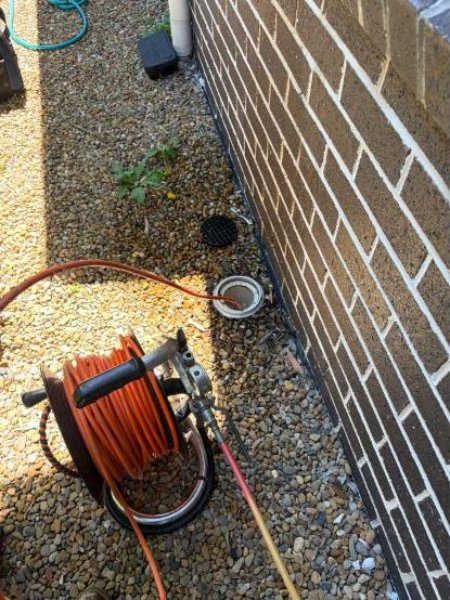
We haven't yet published a Malabar relining job on this site, so here is a recent drain job nearby in Little Bay, a few minutes south. Every relining job we do starts the same way: clear the line properly, then find out exactly what's going on.
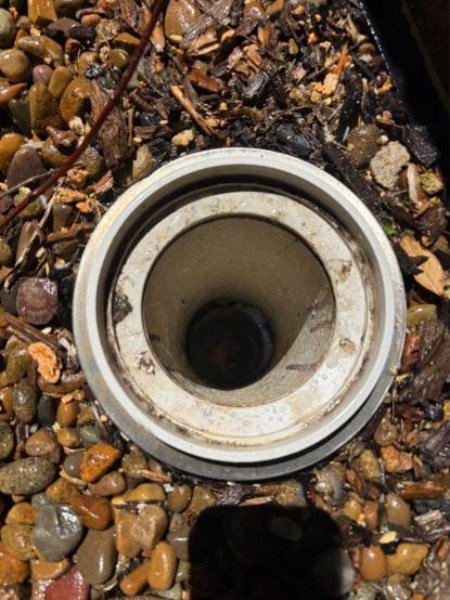
Grease-blocked kitchen drain cleared, Little Bay (nearby)
The problem: a Little Bay home had a blocked kitchen sink, and dirty water was backing up into the dishwasher.
What we did: the overflow gully outside the kitchen window was overflowing, which told us the blockage was further down the line, not in the sink. The cause was grease built up in the pipe. We cleared the line with our high-pressure jetter, which broke the grease down and flushed it through.
The result: we filled both sink bowls and let them go to flush the system and check everything drained freely before we left.
More local work is on our recent projects page.
“Best plumber in Matraville. Unblocked my drains efficiently!”
C S, Matraville (Google review)
Malabar, area by area
- Streets down near Long Bay and Malabar Beach: deep sand, older cottages and plenty of sand in stormwater lines. Sagging and open joints are common.
- Around Cromwell Park: flat, low ground where stormwater collects, so cracked stormwater pipes that let sand in show up quickly as pits that keep filling.
- Up the hill towards Anzac Parade: sandstone close to the surface, shallow pipes and roots wedged between pipe and rock.
- Towards the headland and the treatment plant: exposed, rocky blocks and long private runs to the sewer connection.
- Rebuilt and extended homes throughout: old clay joined to new PVC, often under a newer slab or driveway.
Where Malabar's sewage goes
Malabar is home to one of Sydney Water's largest wastewater treatment plants, on the headland at the southern end of Long Bay. Wastewater from a big part of Sydney, including your home, is treated there and released through deep ocean outfalls well offshore. Your private pipes are the first link in that chain. When they crack, roots and sand get in, and in heavy rain stormwater can get in too, which adds to the load on the whole system. Sealing a cracked private line is good for your drain and good for the network.
Buying or selling an older Malabar home
A pre-purchase building inspection rarely looks inside the drains. On an older Malabar cottage, the sewer line can be the most expensive thing nobody has checked. A camera inspection before you exchange shows whether the clay line is sound, has a root problem at one joint, or is cracked along its length. That's useful to know before you settle, and the footage gives you something solid to talk about with the seller.
If you're selling, the same footage plus a compliance certificate for any relining tells buyers the drains have already been dealt with. Keep both with the house paperwork.
Stormwater lines and the sand problem
Relining isn't only for sewers. In Malabar, cracked stormwater pipes are a common reason pits fill with sand within months of being cleaned. Each time it rains, water running through the pipe pulls sand in through the broken joints, then drops it where the flow slows. Jetting clears it, but it comes back. Sealing the joints with a liner stops the sand getting in, so the line stays clear and the pit only needs a seasonal clean of leaves and grit. Our Malabar stormwater page covers the rest of the system.
Looking after a relined pipe
- Only toilet paper goes down the toilet. Wipes, even ones labelled flushable, don't break down.
- Scrape plates and wipe greasy pans before washing up. Grease sets hard in the pipe as it cools.
- Keep the overflow gully grate clear of soil, mulch and pavers, and make sure it sits below the house drains.
- Keep new trees and large shrubs well away from the sewer line. The lining resists roots, but unlined sections and joints at the ends don't.
- If a drain does slow down, call us early. A quick jet and camera check costs less than dealing with an overflow.
Relining words explained
- CCTV inspection: a waterproof camera pushed through the pipe to record its condition.
- Patch reline: a short liner that seals one damaged section.
- Longer reline: a liner covering the full length of pipe between two access points.
- Resin and cure: the liner is soaked in resin, which hardens to form the new pipe wall.
- Inspection opening: a capped access point on the drain where the camera and liner can go in.
- Overflow relief gully: the grated outlet in the yard that lets sewage overflow outside, not inside, if the line blocks.
- Sag: a dip in the pipe where water sits instead of flowing.
Questions to ask before anyone relines your pipe
- Will I see the camera footage before and after, and can I keep it?
- Is the price fixed, and what does it include?
- Is relining actually the right fix, or does any section need digging?
- Who is responsible for the damaged section: me, a neighbour or Sydney Water?
- Will I get a compliance certificate, and what warranty comes with the work? We give a lifetime labour warranty on our workmanship.
Relining around pools, decks and new driveways
A lot of Malabar backyards have changed since the drains under them were laid. A pool goes in, a deck is built off the back of the cottage, or the old strip driveway becomes a full concrete slab. The clay line underneath stays where it was, now buried under something nobody wants to break up. This is where relining earns its keep.
- Under a deck: we can usually work from an inspection opening beside the deck, so boards don't need to come up.
- Near a pool: digging close to a pool shell risks the shell and its paving. A liner installed from an access point keeps the excavator away.
- Under a new driveway: a cracked joint under fresh concrete can be sealed from inside, and the driveway stays in one piece.
- Before you build: if you're about to pour a slab or lay paving over an old line, have it camera-checked first. Relining it now is simpler than reaching it later.
If the camera shows a section that has collapsed under the new work, we'll tell you straight and price the least disruptive way to reach it.
What happens when you call
Tell us what's going on
Call or send a quick form. A photo of the problem helps us come prepared. No call-out fee.
Options and a fixed price first
We find the cause, explain your options and give you a fixed price for each before any work starts.
Fixed, tested and backed
We do the work, test it, clean up, and back our workmanship with a lifetime labour warranty.
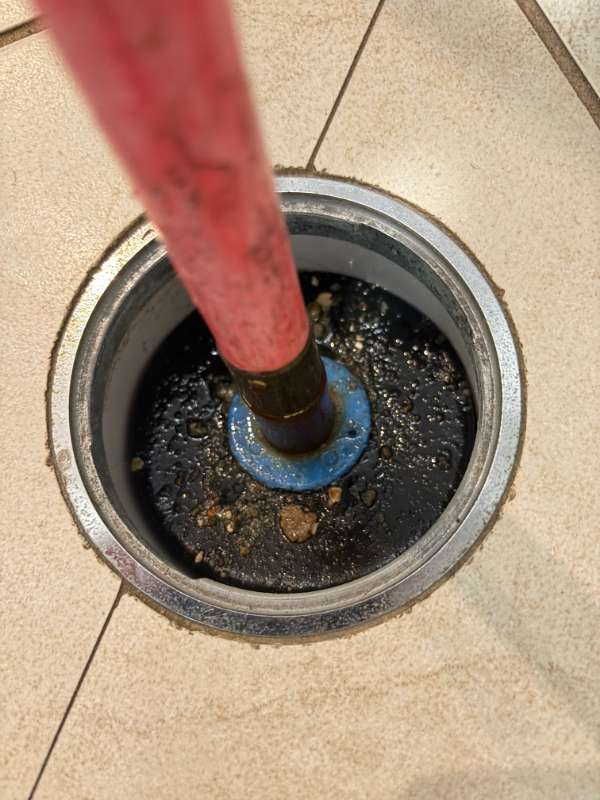
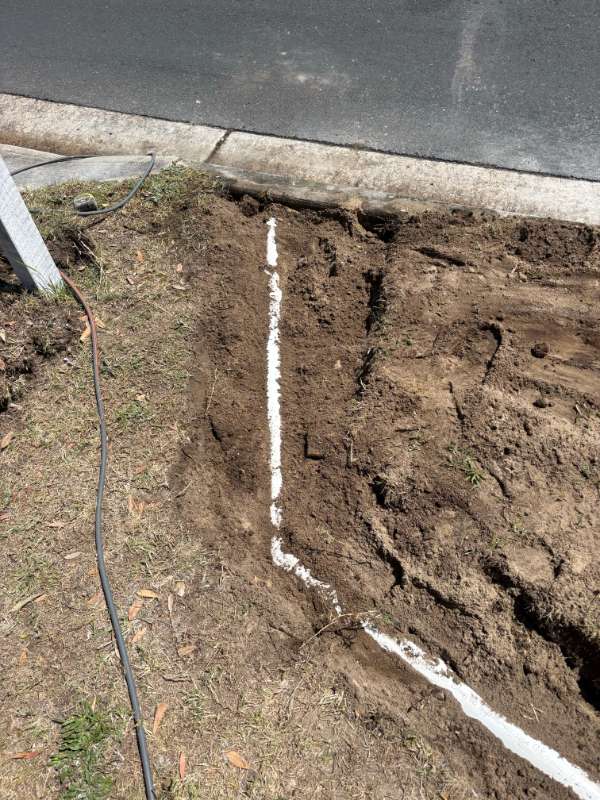
Jobs we finished recently
Why Malabar homeowners call us
- Based in Matraville, a few minutes from Malabar
- Rated 5.0 from 110 Google reviews
- Free quotes, with options and a fixed price before any work starts
- Lifetime labour warranty on our workmanship
- Licensed plumbers, drainers and gasfitters (Lic. 398171C)
Pipe relining questions from Malabar homeowners
Can every pipe be relined?
No. Pipes that have collapsed or have a deep sag usually need that section dug up and re-laid. Cracked pipes, open joints and root entry points are where relining works best. The camera shows which you have.
Do you need to dig to reline?
Usually not. We work from an existing inspection opening or the overflow gully. If there's no access point, we may need to open one small hole to put one in.
Will relining stop tree roots?
Yes, for the relined section. The lining has no joints for roots to get through. Joints outside the relined section can still let roots in, so we check the whole line.
My pipe runs under rock. Is relining still possible?
Yes, and it's often the best option on Malabar's sandstone blocks because it avoids cutting through rock to reach the pipe.
How long does a reline take?
A single patch reline is often done in a few hours. A longer reline may take a day, depending on access and how much preparation the pipe needs.
Can I use my drains during the work?
Not while the liner is curing. We'll tell you when to stop using water and when it's safe again.
Does relining make the pipe smaller?
Slightly, by the thickness of the liner. A smooth lining with no joints usually flows as well as or better than the old cracked pipe.
Who pays if the damage is in a shared line?
Usually the owners who share that section split the cost. Our camera footage shows where the damage is so everyone can see the facts.
What if the problem is in Sydney Water's sewer main?
Then it's theirs to fix. We'll show you the footage and you can report it to Sydney Water.
Can stormwater pipes be relined too?
Yes. Relining a cracked stormwater pipe stops sand washing in, which is a common reason pits in Malabar keep filling.
Do I get proof of the work?
Yes. You get before and after camera footage and a compliance certificate, which is handy when you sell.
Is a camera inspection worth it if my drain is running fine?
It's worth it if the drain has blocked before, if you're buying an older home, or before paving or building over the line.
More plumbing in Malabar: our Malabar plumber page, blocked drains, stormwater, leak detection and hot water. Nearby: pipe relining in Matraville and Maroubra. Guides: pipe relining vs digging, tree roots in pipes and stormwater rules for Malabar owners.