Stormwater plumbing in Randwick 2031
Randwick sits on high ground, and many of its streets fall steeply towards Coogee and Clovelly. In heavy rain, water from roofs, paths and the street above runs downhill fast. On a sloping terrace block or a Federation house cut into sandstone, any downpipe, pit or old pipe that can't keep up sends water under the house, against the back wall or into the neighbour's yard. We come up from Matraville, follow the water to the real cause, and fix it.
Stormwater jobs we do in Randwick
Water under the house
Drainage added and redirected so water stops reaching the subfloor.
Overflowing downpipes
Downpipes cleared from gutter to pit, and broken connections repaired.
Kerb outlets
Blocked, rusted or crushed outlets replaced so water reaches the street gutter.
Blocked pits
Pits cleaned out and the pipes leading from them cleared.
Cracked old lines
Old clay and concrete stormwater pipes cameraed and repaired or relined.
Water into the neighbour's yard
Water redirected to your own stormwater system.
Signs your stormwater isn't working
- Water runs under the house or sits in the subfloor after rain.
- Downpipes overflow at the bottom or spill at the gutter.
- Water backs up from a blocked downpipe, sometimes showing as a stain on a ceiling or wall.
- Pits stay full of water or leaves.
- Water pools against the back wall or in a courtyard.
- The neighbour mentions water coming from your side.
- The kerb outlet doesn't flow when it rains.
- Damp walls or a musty smell after storms.
Why stormwater fails in Randwick
Steep streets
On sloping blocks, water from your roof and the properties above runs towards the lowest point, often the back wall of a terrace or the uphill side of a house cut into the slope. If it isn't caught and piped away, it ends up under the house.
Box gutters and downpipes
Many terraces and Federation houses have box gutters between roofs or behind parapets, draining to a downpipe. When that downpipe or the pipe below it blocks, water backs up into the box gutter and can overflow inside the building. We clear the downpipe and the line below so the water has somewhere to go.
Old pipes
Older stormwater lines are often clay or concrete. Joints crack, roots get in, and the pipe can't carry the full flow.
Big trees
Leaves from figs, plane trees and gums fill gutters, downpipes and pits. Roots crack old stormwater pipes.
Sandstone
Sandstone doesn't soak up water. On rock, rain runs across the surface and along the top of the rock under the soil, often straight towards the house.
Randwick homes and stormwater
| Home type | Typical stormwater | Common faults |
|---|---|---|
| Terraces and semis | Box gutters, rear downpipes, lines under the house or along the side | Blocked outlets, water at the back wall, shared lines |
| Federation houses | Long lines to the street, sandstone footings | Cracked clay, water under the floor |
| Interwar flats | Large roofs, a few downpipes, shared lines | Blocked downpipes, pits full of leaves |
| Homes on steep blocks | Water from above, retaining walls | Water through walls, overloaded pits |
How we fix stormwater problems
- Talk it through: where water goes, when it happens, and what's been done before.
- Walk the property and follow the water from the roof to the street.
- Test the downpipes and pits with a hose.
- Camera the pipes where needed to find cracks, roots or collapses.
- Give you options, each with a fixed price, before any work starts.
- Do the work: clear, repair, reline, replace or add drainage.
- Test it with water so you can see it flowing.
Repair, reline or replace?
| Problem | Usual fix |
|---|---|
| Water reaching the subfloor | Grated drain or ag drain on the uphill side, connected to stormwater |
| Downpipe below a box gutter blocked | Clear the downpipe and the line below |
| Cracked clay joints | Patch relining or replace the section |
| Downpipe with a broken connection | Repair the connection to the underground pipe |
| Crushed kerb outlet | Replace the outlet |
| Water going to the neighbour's | Redirect into your own stormwater |
Where a pipe runs under the house or paving, relining can avoid digging. See pipe relining in Randwick.
What affects the cost
- How much pipe needs work, and how deep it is.
- What's in the way: sandstone, paving, steps or the house itself.
- Access on narrow and steep blocks.
- New pits, grated drains or ag drains needed.
- Kerb work where an outlet is replaced.
You get a fixed price for each option before any work starts.
Who's responsible?
- You: gutters, downpipes, pits and pipes on your property, and usually the line to the kerb outlet.
- Owners corporation: shared stormwater in a block of flats.
- Randwick City Council: the street gutter and council pits and pipes.
See our stormwater rules guide.
Quick checks you can do
- Watch in the rain: where does water go, and where do downpipes overflow?
- Lift pit grates and look for leaves or standing water.
- Run a hose into a downpipe and check it comes out at the kerb.
- Look under the house after rain for water or damp.
Signs it's urgent and when it can wait
- Call straight away if water is coming into the house or through a ceiling from a box gutter.
- Call soon if water sits under the floor or against walls after rain.
- Book a time if pits are filling with leaves or a downpipe overflows in heavy rain.
A recent stormwater job nearby
Here's a recent stormwater job nearby in Maroubra, where an old pipe couldn't carry the water away.
Flooding fixed with a new line and kerb outlet, Maroubra (nearby)
The problem: water built up against a Maroubra home and flooded its lower level every heavy storm, because the old stormwater pipe couldn't carry it away fast enough.
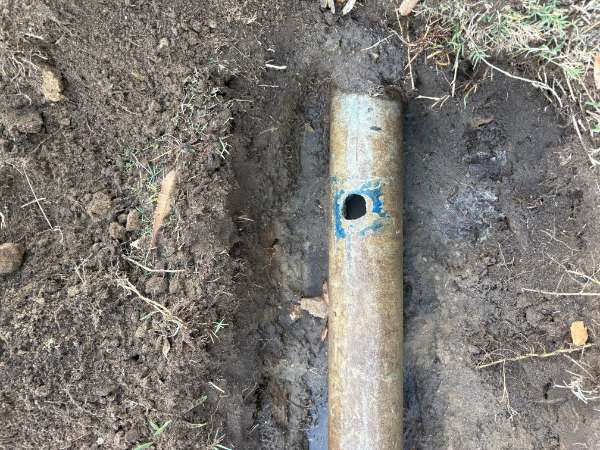
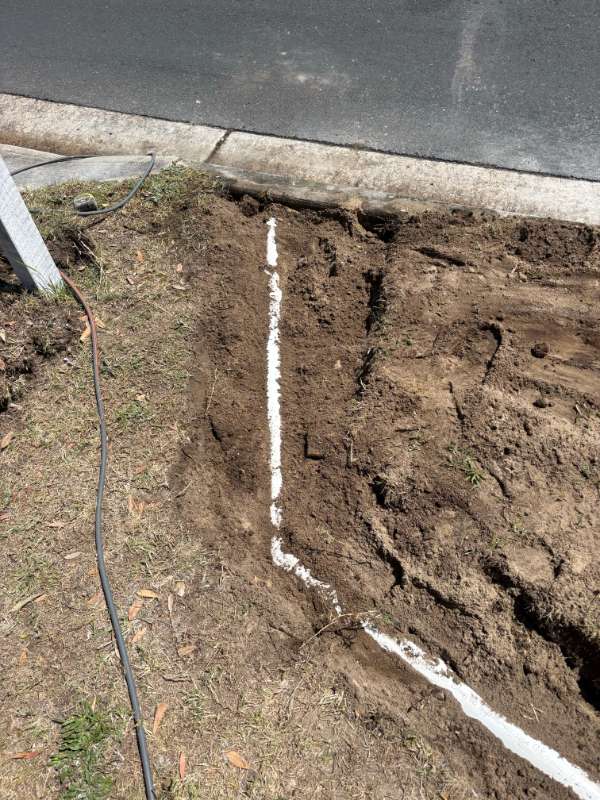
What we did: we dug from the existing stormwater pipe out to the street, uncovered the old pipe, which had rusted through, and connected a new PVC line. We cored through the kerb for a new outlet into the gutter and backfilled the nature strip.
The result: rain now leaves the property through the new line and outlet instead of building up against the house.
“Best plumber in Matraville. Unblocked my drains efficiently!”
C S, Matraville (Google review)
More local work is on our recent projects page.
Stormwater across Randwick
- Around the Junction: units and newer homes with large paved areas.
- Near the hospital and university: walk-up flats with big roofs and few downpipes.
- Towards Centennial Park and the racecourse: Federation houses with long old lines.
- On the slopes towards Coogee and Clovelly: terraces where water runs to the back wall.
- On the sandstone ridges: homes where water runs across rock towards the house.
Water under the house on a slope
On a sloping Randwick block, rain soaks into the soil on the uphill side and runs along the top of the sandstone, straight under the house. You see it as damp in the subfloor, a musty smell, rising damp on walls, or water pooling against the back wall of a terrace. The fix is to catch the water before it reaches the house: an agricultural drain along the uphill side or behind a retaining wall, a grated drain across a path or courtyard, and pits connected to the stormwater line. We look at where the water actually comes from in a storm, then design drainage that intercepts it. See rising damp and agricultural drains.
Water into the neighbour's yard
On close-set, sloping streets, water from one property can flow into the next. A downpipe that discharges onto the ground, a pit that overflows, or a broken stormwater pipe can all send water downhill to your neighbour. It's your responsibility to direct stormwater from your property into a proper system. We find where the water is escaping and connect it into your own stormwater line, so it reaches the street, not the house next door.
Downpipes
Each downpipe carries water from a section of roof. When one blocks at the bottom, water backs up and overflows, often right against the wall. Common causes are leaves from big trees, tennis balls and broken connections where the downpipe meets the underground pipe. We clear the blockage, check the connection and repair it if it's broken. Leaf guards or rainheads help on homes near big trees. See blocked downpipes.
Pits
Stormwater pits collect water from yards and downpipes and pass it into the pipe. Under Randwick's big trees, they fill with leaves quickly. A pit full of leaves and silt can't do its job. We clean out pits and pipes, camera the pipe if water still backs up, and fit pits with baskets or sumps where debris is a problem. See stormwater pit installation.
Kerb outlets
Most Randwick homes send stormwater to the street through a kerb outlet. Older outlets are often steel that has rusted, or have been crushed by cars. On a steep street, a blocked outlet means water backs up quickly through the whole system. We replace damaged outlets and make good the kerb and footpath, as in the Maroubra job above.
Downpipes connected to the sewer
In some older homes, a downpipe or yard drain was connected to the sewer instead of the stormwater. This isn't allowed, because in heavy rain it overloads the sewer and can cause overflows. We find these connections and reconnect them to the stormwater. See downpipes into the sewer.
Retaining walls and water
Randwick's slopes mean plenty of retaining walls, from old sandstone walls to newer block walls. Water builds up behind them in heavy rain. Without a working agricultural drain at the base, that water pushes through the wall, stains it, and in time can weaken it. Old ag drains block with silt and roots. We camera and flush them, and replace them where they've failed, connecting the outlet to a pit or the stormwater line.
What happens in a big storm
In a big storm, a lot of water lands on a property in a short time, and on Randwick's slopes it moves fast. A typical roof can shed thousands of litres in an hour of heavy rain. Everything has to work at once: downpipes, pits, pipes and the kerb outlet. If any one part is blocked or too small, water backs up behind it. That's why a system that copes with light rain can still fail in a storm. If the street gutter or council pits are overflowing, water may back up no matter how well your system works. We can tell you whether the problem is on your property or in the street, and give you photos to report it to Randwick City Council.
After the storm: what to check
- Look under the house for standing water or damp.
- Walk around the house and look for water marks on walls.
- Lift pit grates and see if they've drained.
- Look at the downpipes for overflow marks or broken joints.
- Check ceilings under box gutters for new stains.
Taking photos or a short video during a storm helps us find the cause quickly.
Why we follow the water
Stormwater problems are often caused somewhere other than where the water shows up. Water under the floor at the front might come from a downpipe at the back. A pooling courtyard might be caused by a crushed kerb outlet. We start at the roof, follow each downpipe to its pit, follow each pit to the next, and follow the line to the street. Hose testing and a camera show where the flow stops, so we fix the actual cause.
Heritage homes and stormwater
In Randwick's heritage conservation areas, new pits, grated drains and pipes should be as discreet as possible, especially at the front. We run new lines along side paths and under existing paving where we can, use grates that suit the look of the property, and put back what we disturb. Most of the work happens at the back and sides, out of sight from the street.
Stormwater and backyard projects
If you're adding paving, a deck or a studio out the back, think about stormwater first. New hard surfaces send more water into the system, and new structures can cover pits or pipes. It's much easier to add a pit or a new line before the paving goes down than to dig it up later. See backyard flooding.
A fixed price before we start
Stormwater work can range from a quick downpipe clear to new drainage along the side of the house. Whatever the job, you'll know what we found, what we recommend and the fixed price for each option before any work starts.
Why Randwick homeowners call us
We come up from Matraville and know how Randwick's slopes, sandstone and old pipes handle heavy rain. We follow the water to the real cause, explain your options in plain language, and back our workmanship with a lifetime labour warranty.
Looking after your stormwater
- Lift pit grates and clear leaves after storms.
- Keep downpipes clear at the bottom, especially near big trees.
- Keep the kerb outlet clear, and don't park over it.
- Watch where water goes in heavy rain and note any new problems.
- Have older lines cameraed every few years.
Trees, leaves and stormwater
Randwick's figs, plane trees and gums are a big part of its character, but they drop a lot of leaves, fruit and bark. Plane trees in particular shed leaves heavily in autumn. Once leaves reach a downpipe, they pack into the bend at the bottom and block it. Rainheads and pits with removable baskets help, and so does clearing pits before the wetter months. If the camera shows roots in the stormwater line, we can cut them out and reline the damaged joints so they can't get back in.
Terraces and side passages
In a terrace, stormwater from the back roof often runs through a pipe along the narrow side passage or under the house to the street. The pipe may be old clay, shared with next door, or connected in odd ways from past work. When it blocks, water pools in the back courtyard and can come in under the back door. We camera the line, clear it, and repair or reline the damaged sections. If the courtyard keeps flooding, a larger pit or a grated drain at the door helps.
Flats and stormwater
Randwick's walk-up blocks have large roofs draining to a few downpipes and shared lines. A blocked downpipe or pit can flood a ground-floor courtyard or a car park. Shared stormwater is usually the owners corporation's responsibility, but residents often notice first. If you're on the ground floor and your courtyard floods, we can check the pit and give you a note for the owners corporation if the problem is in the shared line.
Before you call
- Note where water goes and how long it takes to drain.
- Take photos or a video during a storm if you can.
- Check under the house after rain.
- Tell us about access: side passages, steps and parking on steep streets.
Rainwater tanks and detention systems
Some Randwick homes have a rainwater tank for the garden or toilets, and some newer homes have an on-site detention tank that holds stormwater back and releases it slowly. Tank overflows must connect to the stormwater system so excess water is carried away in heavy rain. Detention systems have small outlets that can block with leaves, causing water to back up into the yard. We check overflows, clear outlets and fix connections. See our rainwater tank guide and on-site detention tanks.
Planning stormwater work around your home
Most stormwater jobs can be done without much disruption. Clearing and camera work happen from pits and downpipes. Relining works through existing access points. Where a new line or drain is needed, we plan the route to avoid gardens, trees and paving where we can, and we put back what we disturb. On steep or narrow blocks, we'll explain the plan before we start, so you know where we'll be working and how long it will take.
Stormwater words explained
- Pit: a box in the ground with a grate that collects water.
- Grated drain: a long, narrow drain across a path or courtyard.
- Agricultural drain: a slotted pipe that collects water from the soil.
- Kerb outlet: where the stormwater pipe meets the street gutter.
- Fall: the slope a pipe or surface needs for water to flow.
- Downpipe: the vertical pipe from the gutter to the ground.
What happens when you call
Tell us what's going on
Call or send a quick form. A photo of the problem helps us come prepared. No call-out fee.
Options and a fixed price first
We find the cause, explain your options and give you a fixed price for each before any work starts.
Fixed, tested and backed
We do the work, test it, clean up, and back our workmanship with a lifetime labour warranty.
Jobs we finished recently
Why Randwick homeowners call us
- Based in Matraville, a short drive up from Matraville
- Rated 5.0 from 110 Google reviews
- Free quotes, with options and a fixed price before any work starts
- Lifetime labour warranty on our workmanship
- Licensed plumbers, drainers and gasfitters (Lic. 398171C)
Stormwater questions from Randwick homeowners
Why does water get under my house after rain?
Usually water from the uphill side isn't being caught. A grated drain or ag drain fixes it.
Water backs up from my box gutter. Can you help?
We clear the downpipe and the pipe below so the gutter can drain.
Why do my downpipes overflow?
Usually a blockage at the bottom or a broken connection.
Water from my yard goes to the neighbour's. What can I do?
We can redirect it into your own stormwater system.
Who looks after the kerb outlet?
Usually you, on your side. Council looks after the gutter.
Can you reline stormwater pipes?
Yes, which avoids digging under the house and paths.
Can you work on steep blocks?
Yes.
Water comes through my retaining wall. Can you help?
Often, with an ag drain behind or at the base of the wall.
Do you use a camera?
Yes, where it helps find the problem.
My downpipe goes into the sewer. Is that a problem?
Yes. It needs reconnecting to stormwater.
How long does a job take?
Clearing takes an hour or two. New drains can take a day or more.
What warranty do I get?
Our workmanship carries a lifetime labour warranty.
More plumbing in Randwick: our Randwick plumber page, blocked drains, pipe relining and leak detection. Nearby: stormwater in Matraville and Malabar. Guides: stormwater plumbing, backyard drainage and blocked downpipes.