Toilet repairs in Coogee 2034
Many Coogee homes are flats stacked one above the other in Art Deco and interwar blocks, so a toilet that leaks at the pan connector doesn't just wet your floor; it can stain the ceiling of the flat below. A cistern that runs all night wastes water and keeps everyone awake, and a house full of summer guests puts a toilet to the test. We come over from Matraville and fix toilets across Coogee, usually in one visit with parts from the van.
Toilet problems we fix in Coogee
Running cisterns
Inlet and outlet valves repaired or replaced so the cistern stops running.
Leaks at the pan
Pan connectors and seals replaced so water stays in the pipe.
Weak or double flushes
Flush valves and buttons adjusted or replaced.
Blocked toilets
Pans and lines cleared, and the cause found if it keeps happening.
Old cisterns
Parts found or the cistern rebuilt or replaced.
New toilets
Old suites removed and new ones fitted and sealed.
Signs your toilet needs a plumber
- The cistern keeps running or refills on its own every so often.
- Water trickles into the back of the bowl after flushing.
- A puddle appears at the base or behind the pan.
- A stain on the ceiling of the flat or room below.
- The flush is weak, or you have to press twice.
- The button sticks or doesn't spring back.
- The cistern takes ages to fill.
- The toilet blocks more than once in a while.
Why toilets fail in Coogee homes
Worn valves and washers
The inlet valve fills the cistern and the outlet valve holds the water in until you flush. Both have rubber seals and washers that harden and wear with age. When they stop sealing, water trickles through and the cistern refills on its own, sometimes every few minutes.
Pan connectors in upstairs bathrooms
The pan connector joins the back of the toilet to the sewer pipe. Older rubber connectors perish, and if the toilet has been bumped or the floor has moved, the seal opens up. Every flush then lets a little water out. In a ground-floor home it shows as a puddle; upstairs, it soaks into the floor and stains the ceiling below.
Salt air and old fittings
Near the beach, salt air corrodes metal fittings faster. Old chrome stop taps under the cistern seize, braided hoses rust at the ends and older metal cistern parts wear out sooner than they would inland. A stop tap that won't turn is a problem the day you need to turn the water off.
Heavy use
Coogee has plenty of shared houses and homes that fill with family and friends over summer. More people means more flushes, more wear on the valves and more chance of someone flushing what they shouldn't. Wipes are the most common cause of blocked toilets we see.
Old clay sewers
If the toilet blocks often, the problem may be in the sewer rather than the toilet. Coogee's older clay sewers crack, shift on the slope and collect sand and roots, all of which catch paper. A blocked toilet that keeps coming back usually needs a look further down the line.
Coogee homes and their toilets
| Home type | Typical toilets | Common faults |
|---|---|---|
| Art Deco and interwar flats | Older suites, some replaced over the years | Pan connector leaks staining the flat below |
| Federation semis and cottages | Toilets added inside, some old cisterns | Hard-to-find parts, old stop taps |
| Houses on the slope | Upstairs and downstairs bathrooms | Leaks through to the room below, slow fills |
| Newer units | Concealed cisterns and wall-hung pans | Valve faults behind the wall |
| Shared and holiday homes | Heavily used toilets | Running cisterns, wipes blockages |
How we repair a toilet
- Ask what's happening: running, leaking, blocking or flushing badly.
- Turn off the water at the stop tap and check it works.
- Look inside the cistern at the inlet and outlet valves.
- Check the pan, connector and seal for leaks.
- Give you options to repair or replace, each with a fixed price, before any work starts.
- Fix it, usually with parts from the van.
- Test it: several flushes, a check for leaks and a check the cistern stops filling.
Repair or replace?
| Problem | Usual fix |
|---|---|
| Cistern running | Replace the inlet or outlet valve |
| Weak flush | Adjust or replace the flush valve |
| Leak at the back of the pan | Replace the pan connector |
| Leak at the base | Reseal or refit the pan |
| Cracked pan or cistern | Replace the toilet |
| Old cistern, no parts | Rebuild the cistern or replace the suite |
What affects the cost
- The fault: a valve, a connector or a whole new toilet.
- The type of toilet: close-coupled, wall-faced, concealed or high-level.
- Parts, especially for older or less common cisterns.
- Access, for example small bathrooms and concealed cisterns.
- Extra work, such as replacing a seized stop tap.
You get a fixed price for each option before any work starts.
Who's responsible?
- You: the toilet, cistern, stop tap and connections inside your home.
- Owners corporation: shared pipes in a block of flats, which can include the sewer stack.
- Sydney Water: the sewer main in the street.
Quick checks you can do
- Put a few drops of food colouring in the cistern and wait 15 minutes without flushing. If colour shows in the bowl, the outlet valve is leaking.
- Lift the cistern lid and see if water is running into the overflow.
- Check the stop tap turns, so you can turn the water off if you need to.
- Look behind the pan for water after a flush.
- Look at the ceiling below an upstairs toilet for stains.
Signs it's urgent and when it can wait
- Call straight away if water is pouring out and you can't turn it off, or sewage is coming up.
- Call soon if water leaks at the pan every flush, or the ceiling below is staining.
- Book a time if the cistern runs now and then or the flush is weak.
A recent toilet repair nearby
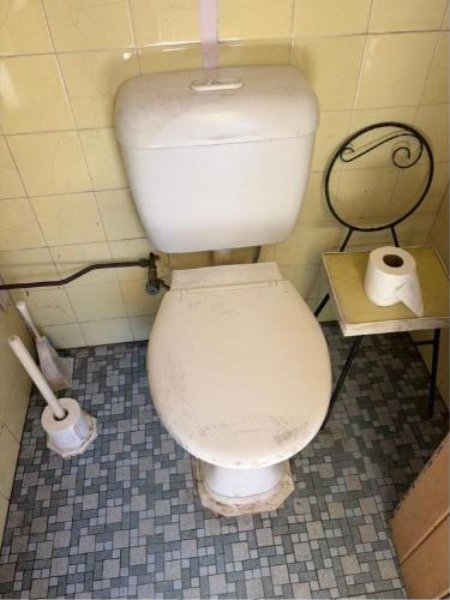
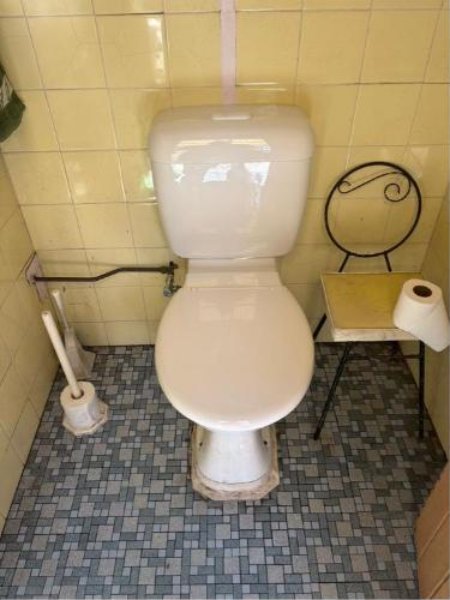
Here's a recent toilet repair nearby in Chifley, where a toilet was leaking at the back.
Toilet leaking at the back repaired, Chifley (nearby)
The problem: a toilet in a Chifley home was leaking at the back.
What we did: we tracked down where the water was getting out and repaired the leak at the back of the toilet.
The result: the toilet works without leaking and the floor stays dry.
More local work is on our recent projects page.
“Best plumber in Matraville. Unblocked my drains efficiently!”
C S, Matraville (Google review)
Toilet repairs across Coogee
- Near the beach and Arden Street: flats and holiday homes with heavily used toilets.
- On the hillside streets towards Randwick: houses with bathrooms on two levels.
- Towards Clovelly and Gordons Bay: older homes with original stop taps and cisterns.
- Towards South Coogee: interwar walk-ups where a leak shows in the flat below.
- Newer apartments: concealed cisterns and wall-hung pans.
How a toilet cistern works
When you press the button, the outlet valve at the bottom of the cistern lifts and the water rushes into the bowl. As the level drops, the float on the inlet valve drops too and opens the valve to refill the cistern. When the water reaches the right level, the float rises and shuts the valve. If the outlet valve doesn't reseal, water keeps trickling into the bowl. If the inlet valve doesn't shut, the cistern overfills and runs into the overflow. Either way, it keeps running. Knowing which valve is at fault tells us what to fix.
Stains under upstairs toilets
In Coogee's flats and two-storey houses, a stain on a ceiling is often the first sign of a toilet leak upstairs. The usual cause is the pan connector: a little water escapes at every flush, soaks into the floor and spreads until it shows below. Sometimes it's the seal under the pan, a weeping inlet hose or a cracked cistern. We check each one, fix the cause and make sure it's dry before we leave. If the leak has been going a while, let the ceiling dry out before painting. See our leaking toilet guide.
Old cisterns and hard-to-find parts
Some older Coogee homes still have cisterns from decades ago. Parts for many of them are no longer made, but universal inlet and outlet valves fit most cisterns, and we carry a range in the van. Where nothing fits, we can rebuild the cistern with new internals or replace it with a cistern that suits the existing pan, so you don't always need a whole new toilet.
Cistern rebuilds
A cistern rebuild replaces the inlet valve, the outlet valve, the button and the seals in one go. It's a good option when the cistern itself is sound but several parts are worn, and it usually costs much less than a new toilet. Once rebuilt, the cistern should run quietly for years.
Concealed cisterns
Newer Coogee apartments often have the cistern hidden in the wall with only the button showing. The valves are reached through the button plate. We remove the plate, repair or replace the valve and refit it, usually without opening the wall. If a concealed cistern has been leaking inside the wall, we'll check for damage and tell you what we find.
Blocked toilets
A toilet that blocks once is usually too much paper or something that shouldn't have been flushed. We clear it with the right tools without damaging the pan. If it keeps blocking, we look further: a partial blockage in the pan, a problem at the pan connector, or a fault in the sewer, such as roots, sand or a displaced joint. A camera shows what's going on. See blocked drains in Coogee.
Running toilets and your water bill
A cistern that runs all the time can waste a large amount of water, and you might not notice until the bill arrives. Even a slow trickle into the bowl adds up over months. The fix is usually a valve, done in one visit. If your water bill has jumped and you can't see a leak, a running toilet is one of the first things to check. If it isn't the toilet, see leak detection in Coogee.
Noisy toilets
A cistern that hisses, bangs or takes a long time to fill usually has a worn inlet valve. Older valves can also cause a knock in the pipes when they shut. A new valve fills faster and quieter, which helps in flats where the plumbing noise carries through the building at night.
Sewer smells near the toilet
A sewer smell around the toilet usually means the seal between the pan and the pipe has failed, or the pan isn't sitting right on the floor. It can also be a dry floor waste nearby or a vent problem. We check the connector and the seal, refit the pan if needed and test the nearby traps.
Toilets for every age
If someone at home finds it hard to get up from a standard toilet, a taller pan or a toilet with a higher seat can make a real difference. We can also fit grab rails next to the toilet where the wall is strong enough. Ask us about options when we visit.
Toilet seats and buttons
A loose or broken seat, or a button that sticks, is a small fix that makes a big difference. We carry common seats and buttons, and can order the right ones for less common toilets.
Why we check the whole toilet
A toilet that runs might also have a weeping connector or a stop tap that won't turn. While we're there, we check the whole toilet, tell you what we found and let you decide what to fix now and what can wait.
Getting ready for our visit
- Clear the area around the toilet so we can get to it.
- Tell us if the stop tap is hard to turn or has never been used.
- If the toilet is leaking, turn off the stop tap and put a towel down.
- Tell us about parking and access, especially in summer near the beach.
Looking after your toilet
- Only flush toilet paper; wipes cause blockages.
- Don't use in-cistern blocks, which can damage the seals.
- Turn the stop tap now and then so it doesn't seize.
- Check for leaks behind the pan every few months.
- Fix a running cistern early, before the water bill tells you.
What to expect on the day
We arrive in the window we agreed, ask what's been happening and check the toilet. We explain what we found and give you options with a fixed price for each. If you're happy, we do the work, usually with parts from the van, test it with several flushes and clean up before we leave.
Toilets in shared and holiday homes
A Coogee house shared by several people, or one that fills with guests over summer, works its toilets hard. Valves wear out sooner, buttons get pressed harder and guests don't always know what not to flush. If you rent rooms or have regular guests, a simple sign about wipes helps, and a quick check before summer can save a call-out on a busy weekend.
Toilets in walk-up flats
In Coogee's Art Deco and interwar walk-ups, the toilet in each flat connects to a shared sewer stack. If your toilet leaks at the connector, it can affect the flat below. If several flats have slow or blocked toilets at the same time, the problem may be in the shared stack, which is usually the owners corporation's responsibility. We fix what's inside your flat and give you a note to pass on if the fault is in a shared pipe.
Repairs that last
We use quality parts that suit your toilet, fit them properly and test the toilet before we leave. Our workmanship carries a lifetime labour warranty.
When to repair and when to replace
Most toilets can be repaired. We usually suggest replacing when the pan or cistern is cracked, parts can't be found, the toilet uses far more water than a modern one, or you're updating the bathroom anyway. We'll give you the options and the fixed price for each, so you can decide.
Why Coogee homeowners call us
We come over from Matraville and know Coogee's flats, semis and houses on the slope. We find the real cause, explain your options in plain language and back our workmanship with a lifetime labour warranty.
High-level cisterns
A few older Coogee homes still have a high-level cistern mounted up the wall with a pull chain. Many can be repaired with new internals. If you'd prefer a modern toilet, we can replace it with a close-coupled or wall-faced suite and tidy up the old pipework.
Choosing a new toilet
If you decide to replace your toilet, the main choices are the style and how it fits your bathroom. A close-coupled toilet has the cistern sitting on the back of the pan and suits most bathrooms. A wall-faced toilet sits flush against the wall and hides the pipework, which makes cleaning easier. A concealed cistern with a wall-hung pan gives the cleanest look but needs a frame inside the wall. We'll look at where your sewer connection sits, how much room there is and what will fit without changing the floor, then give you options with a fixed price for each. In many Coogee flats the set-out of the old pipe decides which toilets will fit, so we check that before you buy.
Water-saving toilets
Older toilets can use a lot more water per flush than a modern dual-flush toilet. If yours is old, running often or using more water than it should, a new toilet with a good water rating can cut your water use noticeably, especially in a busy household. Modern dual-flush toilets also clear the bowl well with less water, so a well-fitted new suite shouldn't mean a weaker flush.
Toilets after a long time away
If a Coogee home or flat has been empty for a while, the water in the toilet trap can evaporate and let sewer smells into the bathroom. Seals in the cistern can also dry out and leak when the toilet is used again. Flushing each toilet and running every tap when you get back usually fixes it. If the cistern then runs or leaks, the valve seals have likely hardened and need replacing.
Toilets and the stop tap
Every toilet should have a stop tap on the wall or floor nearby, so you can turn off the water to the cistern without shutting off the whole house. In older Coogee homes, the stop tap is often seized or missing. If yours won't turn, we can replace it while we're there, so you'll be able to stop a leak quickly next time.
Toilet words explained
- Cistern: the tank that holds the flush water.
- Inlet valve: the valve that refills the cistern.
- Outlet valve: the valve that lets water into the bowl when you flush.
- Pan: the bowl of the toilet.
- Pan connector: the rubber or plastic piece joining the pan to the sewer pipe.
- Stop tap: the small tap on the wall that turns water to the toilet on and off.
- Concealed cistern: a cistern hidden inside the wall.
What happens when you call
Tell us what's going on
Call or send a quick form. A photo of the problem helps us come prepared. No call-out fee.
Options and a fixed price first
We find the cause, explain your options and give you a fixed price for each before any work starts.
Fixed, tested and backed
We do the work, test it, clean up, and back our workmanship with a lifetime labour warranty.
Why Coogee homeowners call us
- Based in Matraville, a short drive from Matraville
- Rated 5.0 from 110 Google reviews
- Free quotes, with options and a fixed price before any work starts
- Lifetime labour warranty on our workmanship
- Licensed plumbers, drainers and gasfitters (Lic. 398171C)
Toilet questions from Coogee homeowners
Why does my toilet keep running?
Usually a worn inlet or outlet valve. We replace the faulty valve, often in one visit.
There's a stain on the ceiling under my toilet. What's causing it?
Usually a leaking pan connector, seal or hose upstairs. We find and fix the cause.
Can a leaking toilet damage the flat below?
Yes. Water from a leaking connector soaks into the floor and can stain the ceiling below.
My toilet is very old. Can you still get parts?
Universal valves fit most cisterns. If not, we can rebuild or replace the cistern.
My toilet keeps blocking. Is it the toilet?
Sometimes. It can also be the sewer, with roots, sand or a shifted joint. We check both.
Can you fix a concealed cistern?
Yes, usually through the button plate without opening the wall.
Can you replace my toilet?
Yes. We remove the old suite and fit and seal the new one.
My stop tap won't turn. Can you replace it?
Yes. Salt air seizes old stop taps; we replace them so you can turn the water off when needed.
How long does a repair take?
Most repairs take under an hour. A new toilet usually takes a few hours.
Do you carry parts?
Yes. We carry common valves, connectors, seats and buttons in the van.
What's the food colouring test?
Put a few drops in the cistern and wait without flushing. Colour in the bowl means the outlet valve is leaking.
What warranty do I get?
Our workmanship carries a lifetime labour warranty.
More plumbing in Coogee: our Coogee plumber page, taps and toilets, blocked drains and leak detection. Nearby: toilet repair in Randwick and Maroubra. Guides: leaking toilet and running toilets and dripping taps.