Water filter installation in Pagewood 2035
Pagewood's water comes from Sydney Water's mains and is safe to drink, but many homeowners want better taste or less chlorine, and some older cottages still have galvanised or early copper pipe that can add sediment or discolour the water. We're a few minutes away in Matraville, and we'll tell you which filter suits your home and what to expect from it.
Filters we fit
Filtered mixer taps
One mixer with a separate filtered outlet. Good where there's no room for a second tap.
Under-sink carbon filters
Single or twin cartridges under the sink with their own drinking water tap.
Whole-house filters
Fitted on the main water line so every tap and shower gets filtered water.
Reverse osmosis
Removes the most, including fluoride and most dissolved minerals. Needs a tank and drain line.
Sediment pre-filters
Catch rust and grit from old pipes before they reach your taps or drinking filter.
Filter servicing
Cartridge changes, leaking housings resealed, and neglected systems brought back into shape.
Which filter suits your home?
Start with the problem you want solved. For drinking and cooking water, an under-sink carbon filter or a filtered mixer does the job for most households. If chlorine in the shower bothers you, or you'd like filtered water through the whole home, a whole-house filter on the main line is the better fit. Reverse osmosis takes out the most, including fluoride, but it needs more cupboard space and sends some water down the drain as it filters. Cartridge life, flow at the tap and where the unit sits all matter too. We talk you through those before you choose, so there are no surprises later.
| What you want | Usually the best fit |
|---|---|
| Better-tasting drinking water | Under-sink carbon filter or filtered mixer |
| Less chlorine in the shower too | Whole-house filter |
| Fluoride and most minerals removed | Reverse osmosis |
| Rust and grit from old pipes | Sediment pre-filter |
| Filtered water to the fridge | Under-sink filter with a fridge line |
| One tap only, no extra holes | Filtered mixer tap |
Water filters in Pagewood homes
Apartments near Eastgardens
In the newer apartments near Eastgardens, the most popular set-up is a compact under-sink filter with a three-way mixer, so filtered and normal water come from the one tap and you don't need to drill a second hole in the benchtop. A fridge-line filter is easy to add at the same time if your fridge has a water and ice dispenser. We choose systems that fit tight kitchen cupboards and are simple to service.
Older cottages
Pagewood's brick cottages and duplexes often still have some of their original galvanised steel water pipes under the floor or in the walls, even where the kitchen has been updated. That steel rusts inside over the years. You might notice discoloured water after the house has been empty for a day, or a drinking water filter that clogs up well before its due date. In these homes we often fit a sediment pre-filter ahead of the drinking water filter so the carbon cartridge isn't doing all the work, and we'll tell you honestly if the pipes themselves are the bigger problem. See galvanised pipes.
Filters in older homes
In Pagewood's established houses, a whole-house filter is worth considering, especially where older pipework can send sediment through the taps. It filters water for every tap, shower and appliance, and many homeowners pair it with an under-sink filter for the best drinking water. If you've kept an older-style kitchen, a filtered mixer in a traditional style, or a small separate filter tap in a classic finish, gives you filtered water without spoiling the look.
Pagewood homes and filters
| Home type | Typical set-up | Things to check |
|---|---|---|
| Duplexes and rebuilds | Filtered mixer or slim under-sink filter | Cupboard space, where the service enters |
| Brick cottages | Sediment pre-filter plus drinking filter, or whole-house | Galvanised pipe, rust, flow |
| Duplexes and rebuilds | Under-sink filter or filtered mixer | Older pipes, space on the main line |
| 1920s bungalows (Monash Gardens estate) | Period-style filtered mixer or filter tap | Matching the kitchen's look |
How we install a water filter
- Talk it through: what you want the filter to do, and who uses the water.
- Check the pipes, the cupboard and the benchtop.
- Recommend options with a fixed price for each, before any work starts.
- Install the filter with quality fittings and an isolating valve.
- Flush the cartridges as the maker recommends.
- Test for leaks and check the flow.
- Show you how it works, when to change cartridges, and how.
What affects the cost
- The type of filter and brand.
- Whether a new tap or mixer is needed.
- Benchtop: drilling stone takes more time and the right tools.
- Space under the sink or on the main line.
- A fridge line or extra outlets.
You get a fixed price before any work starts.
Who's responsible?
- You: filters, taps and pipes inside your home.
- Apartments and townhouses: filters inside your own kitchen are yours; where the water comes in through shared pipes, a whole-house filter has to go on your own branch, not the shared line.
- Sydney Water: the water supply up to the meter.
Signs your filter needs attention
- Slow flow from the filtered tap.
- The taste is back to how it was before the filter.
- A drip or damp under the sink.
- It's been more than a year since the last cartridge change.
- Cloudy or discoloured water from the filtered tap.
A recent kitchen and tap job nearby
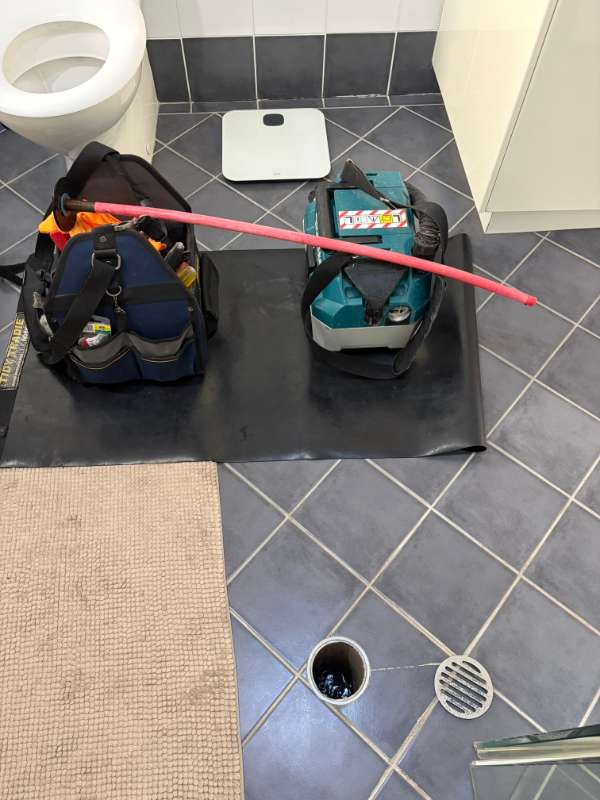
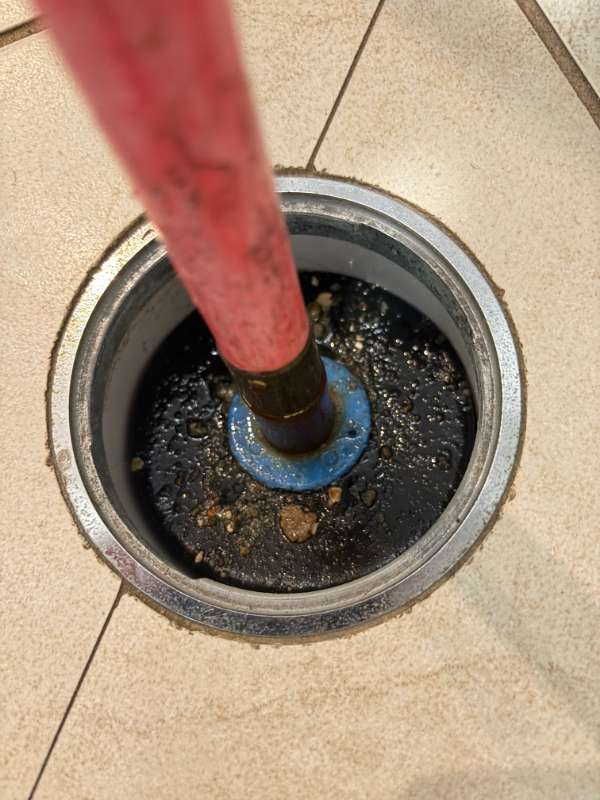
Here's a recent kitchen and tap job nearby in Maroubra, where we sorted the taps and the drains in one visit.
Leaking taps fixed during a drain clear, Maroubra (nearby)
The problem: a Maroubra home had leaking taps as well as slow drains.
What we did: we laid a mat to protect the floor, jetted the drains and floor wastes clear, and then repaired the leaking taps on the same visit.
The result: the taps shut off properly and the drains flow freely, all in one visit.
“Great plumber, fixed my leaking taps quickly and at a great price!”
Tom (Google review)
More local work is on our recent projects page.
Water filters across Pagewood
- The northern streets near Astrolabe Park: 1920s bungalows with older pipe where sediment pre-filters help.
- Around Page Street and Dudley Street: post-war brick homes where whole-house filters suit.
- Near Bonnie Doon Golf Club: family homes with big kitchens and plumbed fridges.
- Rebuilt blocks: new kitchens with stone benchtops.
- Towards Wentworth Avenue and Eastgardens: apartments where a three-way mixer saves space.
Understanding Sydney tap water
Sydney's tap water is treated to meet the Australian Drinking Water Guidelines and is safe to drink. Chlorine is added to keep it safe as it travels through the pipes, and fluoride is added for dental health. Most people who choose a filter do it because of the taste or smell of chlorine, or because they'd rather not drink fluoride, not because the water is unsafe. Older pipes inside the home can add their own taste, rust or sediment, which is a separate issue from the water Sydney Water supplies. A filter is about getting water the way you like it from your own tap.
Carbon filters explained
Most drinking water filters use activated carbon. Carbon has a huge surface area that traps chlorine, many tastes and odours, and some other substances as water passes through. Carbon block cartridges are denser than loose granules and filter more finely. Many under-sink systems pair a sediment cartridge with a carbon block, so grit is caught first and the carbon lasts longer. Carbon filters don't remove fluoride or dissolved minerals; for that, you need reverse osmosis or a specialised cartridge.
Reverse osmosis explained
Reverse osmosis pushes water through a very fine membrane that removes most dissolved minerals, fluoride and many other substances. It's usually combined with sediment and carbon stages. Because filtering is slow, the system fills a small storage tank under the sink, which feeds a dedicated tap. Some water goes to the drain as part of the process. Reverse osmosis needs more space than a standard under-sink filter, a connection to the sink waste, and regular servicing. Some systems add back a small amount of minerals for taste.
Whole-house filters explained
A whole-house filter sits on the main water line where it enters the home, usually after the meter. Every tap, shower and appliance gets filtered water. Most whole-house systems use a large sediment cartridge followed by a large carbon cartridge. They reduce chlorine in the shower and bath, and protect appliances from grit. They need space on the main line, isolating valves and a bypass so the water can stay on during cartridge changes. In a cottage, this is usually straightforward. In a townhouse, it depends on where your branch of the supply comes in.
Filtered mixer taps
A filtered mixer looks like a normal kitchen mixer but has a separate outlet, or a separate lever, for filtered water. The filter cartridge sits under the sink. It's a tidy choice for Pagewood kitchens where there's no room or no wish for a second tap, or where drilling a stone benchtop isn't appealing. The filtered water flows through its own channel inside the mixer, so it doesn't mix with unfiltered water.
Choosing a filter: questions we'll ask
- What bothers you about the water now? Taste, smell, colour, or something else.
- Who drinks it? Some households want fluoride removed; others don't mind.
- How much filtered water do you use? Cooking, drinking, the kettle, the fridge.
- Do you want filtered water in the shower? That points to a whole-house filter.
- What's under your sink? Space, the waste pipe and isolating valves.
- What's your benchtop? Laminate, timber or stone changes how we fit a tap.
- How much upkeep suits you? Some systems need more cartridge changes than others.
Answering these takes a few minutes and makes it much easier to recommend the right filter. Many Pagewood households end up with a simple under-sink carbon filter or a filtered mixer, because that's all they need. Others want more. Either way, you'll know what you're getting and why.
Filters and older pipes
If your water sometimes comes out brown, cloudy or with tiny flecks, the cause is usually inside your home rather than the water supply. Old galvanised steel pipe rusts inside, and the rust breaks loose when water starts flowing after a quiet spell, or when the pressure changes. A sediment pre-filter catches most of this before it reaches a drinking water filter, a fridge or a mixer cartridge. That said, a filter only treats the symptom. If the rust is bad, the pipe is getting thin, and a burst may not be far off. We'll tell you what we see and give you options, from a pre-filter to replacing the worst runs of pipe. See burst pipes in Pagewood.
Filters, kettles and hot water
Sydney's water is fairly soft, so heavy scale isn't the problem it is in some parts of Australia. Still, kettles and hot water systems collect some mineral deposits over time. A carbon filter doesn't remove minerals, so it won't stop this. Reverse osmosis does, which is one reason some households choose it for the kettle and coffee machine. For the hot water system, regular servicing does more than a filter. See hot water in Pagewood.
Whole-house filters on older cottages
In a Pagewood cottage, the water service usually comes in from the meter at the front and runs along the side of the house. A whole-house filter goes on that line after the meter, so every tap gets filtered water. We check the pipe material first: on galvanised or early copper pipe, a sediment pre-filter protects the main cartridge, and we may suggest replacing a short corroded section while we're there. We mount the housing where it's easy to service but out of sight from the street.
Bottled water versus a filter
Many households start looking at filters because they're tired of buying and carrying bottled water, or of refilling jugs. A plumbed-in filter gives you filtered water on tap, as much as you like, with only a cartridge change once or twice a year. There's no storage, no plastic bottles and no lifting. Over a year or two, most households find a filter is far more convenient, and it's easier on the environment too.
Getting the most from a new filter
When a new filter is installed, the cartridges are flushed to clear carbon dust and air. The first few litres may look cloudy or a little grey; that's normal and clears quickly. If the filtered tap hasn't been used for a few days, such as after a holiday, run it for a short while before drinking. Keep the cupboard under the sink clear enough to see the filter, so you'll notice any drip early. And set a reminder on your phone for the next cartridge change, so the filter keeps working as it should.
Looking after your filter
- Change cartridges as the maker recommends, usually every 6 to 12 months for carbon, sooner with older pipes.
- Write the date on the cartridge when it's changed.
- Run the filtered tap for a few seconds if it hasn't been used for a while.
- Check under the sink for drips every few months.
- Book a service if the flow slows or the taste returns.
Filter servicing in Pagewood
Many filters get fitted and forgotten. A cartridge that hasn't been changed in years can slow the flow to a trickle and stop doing its job. Old housings can crack or their O-rings can perish, causing slow leaks into the cupboard. We service most common brands: we change cartridges, replace O-rings and housings where needed, check the fittings and isolating valve, and flush the system. If a system is too old to get parts for, we'll tell you and suggest a replacement.
What to expect on the day
We give you a time window and let you know when we're on the way. Most under-sink filter and filtered mixer installs are done in a couple of hours. We clear the cupboard space with you, protect the benchtop and floor, fit the filter, flush it, test for leaks, and show you how it works. We'll leave you with a note of the cartridge type and when it's due for a change.
Where the filter goes under the sink
In a compact Pagewood kitchen, the space under the sink is often shared with the waste pipe, the isolating valves, cleaning products and sometimes a dishwasher connection. We look at the layout before recommending a filter, so it fits without getting in the way. Twin housings are usually mounted on the side or back wall of the cupboard, with enough clearance below to unscrew the housings for cartridge changes. Slimline and quick-change cartridges suit tight cupboards. For reverse osmosis, the storage tank needs a spot of its own, which in some smaller cottage kitchens means a neighbouring cupboard. We'll show you where everything will go before we start.
If the isolating valve under your sink is old or seized, we'll replace it at the same time. That way you can turn off the water to the filter and the mixer without shutting off the whole house.
Filters for the fridge and coffee machine
Many fridges have water and ice dispensers with a small internal filter. Connecting the fridge to a proper under-sink filter, or adding an inline filter on the fridge line, gives better water and a longer filter life. Coffee machines that are plumbed in also benefit from filtered water, which helps both taste and the machine itself. We can run a fridge or coffee machine line from the filter as part of the install, using quality fittings and an isolating valve so it can be turned off easily.
Our approach
We're not tied to one brand. We recommend filters that are well made, have cartridges you can get easily, and suit your water and your kitchen. We fit them properly, with an isolating valve and fittings that won't leak, and we test everything before we leave. Our labour is covered by a lifetime warranty, and if you'd like us to look after the cartridge changes, we can do those too.
Filters and the Priority Plan
If you're on our Priority Plan, your free annual plumbing health check is a good time to look at the filter too. We check the cartridges, the housings and the fittings, and let you know if anything is due. Members also get 10% off for the year and priority booking, which is handy when a cartridge change or a new tap is on the list along with other small jobs around the home. See our Priority Plan.
Not sure which filter is right? Tell us what you'd like to change about your water, send a photo of the space under your sink, and we'll suggest a couple of options before we come out. There's no obligation, and you'll get a fixed price for each option before any work starts.
Water filters are one of the simplest upgrades you can make in a Pagewood kitchen. A good filter, properly installed and looked after, gives you water you enjoy drinking for years, straight from your own tap.
Filter words explained
- Cartridge: the replaceable part of a filter that does the filtering.
- Housing: the casing that holds the cartridge.
- Micron rating: how fine a filter is. Lower numbers catch smaller particles.
- Carbon block: a dense carbon cartridge that reduces chlorine, taste and odour.
- Membrane: the very fine layer in a reverse osmosis system.
- Bypass: a valve arrangement that lets water flow around a whole-house filter while it's serviced.
Why Pagewood homeowners call us
- Based in Matraville, a few minutes away in Matraville
- Rated 5.0 from 110 Google reviews
- Free quotes, with options and a fixed price before any work starts
- Lifetime labour warranty on our workmanship
- Licensed plumbers, drainers and gasfitters (Lic. 398171C)
Water filter questions from Pagewood homeowners
Can you install a water filter in an apartment?
Yes. Compact under-sink systems and three-way mixers suit most apartment kitchens.
What is a three-way mixer?
A kitchen mixer with a separate channel for filtered water, so you get hot, cold and filtered from one tap.
Can you connect a filtered water line to my fridge?
Yes. We run a filtered line to fridges with a water or ice dispenser.
How often do filter cartridges need changing?
Usually every 6 to 12 months, depending on the filter and how much water you use.
Is Sydney tap water safe to drink?
Yes. It's treated to meet the Australian Drinking Water Guidelines. Filters are mostly for taste and preference.
Which filter is best for a family home?
Usually a filtered mixer or a slim under-sink filter in the kitchen.
Will a filter remove fluoride?
Carbon filters don't. Reverse osmosis does.
Can you fit a filter without drilling my stone benchtop?
Yes, with a filtered mixer in the existing tap hole.
My water goes brown sometimes. Will a filter fix it?
A sediment pre-filter helps, but old galvanised pipes may be the cause.
Can you fit a whole-house filter to my house?
Usually, on your own branch after the meter. We check on a visit.
Do you service filters you didn't install?
Yes, most common brands.
Does reverse osmosis waste water?
Some water goes to the drain as it filters.
More plumbing in Pagewood: our Pagewood plumber page, taps and toilets, tap repair and hot water. Nearby: water filters in Eastgardens, Daceyville and Matraville. Guides: water filter guide and all plumbing guides.