Blocked drains in Phillip Bay 2036
Phillip Bay is a small, quiet pocket of homes beside Yarra Bay, at the La Perouse end of the peninsula. The drains here deal with a particular mix: older clay sewers under the cottages and bungalows along Yarra Road, sandy ground that lets pipes drift, established trees with roots that go looking for water, and beach sand that comes home on feet, towels and wetsuits. Our workshop is in Matraville, so we're in this corner of Randwick every week.
Drains we clear in Phillip Bay
Kitchen sinks
Grease, food scraps and coffee grounds cleared from the sink waste to the gully, so the dishwasher stops backing up too.
Showers and baths
Hair, soap scum and beach sand cleared from the trap and the floor waste line.
Toilets
Blocked pans and the drain behind them cleared without damaging the pan or its seal.
Laundry tubs and floor wastes
Lint, sand and soap cleared from laundry lines, often the first drain to back up in older homes.
Sewer lines
Roots, wipes and sand cleared from the main line out to the Sydney Water connection.
Stormwater
Downpipes, pits and stormwater lines cleared of leaves and the sand that storms off the bay push in.
Signs a Phillip Bay drain is blocking
- Water drains slowly from a sink, shower or tub, and it's getting slower.
- Gurgling from a basin or the toilet when another fixture drains.
- The overflow gully in the yard spills or the water in it sits high.
- A sewage smell near the side of the house or in the bathroom.
- The toilet rises close to the rim before it slowly goes down.
- Water comes up in the shower when the washing machine empties.
- A wet, lush patch of lawn over where the sewer runs, even in dry weather.
- Pits that fill with sand soon after they've been cleaned.
Why drains block in Phillip Bay
Old clay sewers under the older homes
Phillip Bay grew as seaside homes followed the tram line around 1900, and the older cottages and bungalows from that time, including the Federation and California Bungalow homes along Yarra Road, were connected with short lengths of glazed clay pipe. The pipe itself lasts, but every joint is a weak point. Joints open as the ground moves, and roots and sand get in through the gaps.
Sandy ground beside Yarra Bay
The ground close to the bay is sand. Sand settles and shifts as it wets and dries, and a pipe laid in it can sag or pull apart at a joint. A sag holds a little water and waste all the time, and that's where paper and grease start to build up into a blockage.
Beach sand from the house itself
Homes this close to Yarra Bay bring a lot of sand indoors. It rinses off feet and wetsuits in the shower, shakes out of towels and swimmers in the laundry tub, and washes off outdoor showers. Sand is heavy, so it settles in traps and in any low spot in the line rather than washing through.
Established trees
Many Phillip Bay blocks have mature trees and shrubs, and roots follow moisture to the smallest crack in a clay joint. Once inside, fine roots grow into a mat that catches everything coming down the pipe. Cutting them out clears the drain, but they return unless the crack is sealed.
Storms off the bay
Wind off Botany Bay fills downpipes, pits and grates with leaves and sand. In heavy rain, a blocked stormwater line can't get the water away, and if stormwater finds its way into a cracked sewer, the sewer can overflow at the gully too.
Phillip Bay homes and their drains
| Home type | What we usually find | What helps |
|---|---|---|
| Older cottages and bungalows on Yarra Road | Original clay sewer, roots at joints, sand in the line | Jetting, a camera check, then relining the worst joints |
| Detached homes updated over the years | Old clay joined to newer PVC, a step or gap where the two meet | A camera to find the joint, then a patch repair |
| Villas and townhouses | Several homes joining one line before the connection | Clearing from the right access point, and footage that shows where the blockage is |
| Small blocks of flats | Kitchen and laundry stacks shared between floors | Clearing your own branch line and explaining any shared fault |
| Homes closest to the water | Sand in shower and laundry lines, pits full after storms | Clearing, a sand trap or grated pit, and simple habits |
How we clear a blocked drain, step by step
- Ask the right questions. Which drains are slow, whether the gully is spilling, and whether it has happened before. That tells us if the blockage is in one fixture or the main line.
- Find the access point. Usually the overflow gully or an inspection opening. If there isn't one, we use a fixture or talk to you about putting one in.
- Clear it properly. A high-pressure jetter cuts through grease, sand and roots and flushes them away, rather than just poking a hole through the middle.
- Look inside if it's needed. If the line has blocked before, or roots came out with the water, we run a CCTV camera through and show you what we see.
- Give you options. If there's damage, you get a fixed price for each fix, from a patch reline to a dig-up repair, before any work starts.
- Test and tidy. We run water through every fixture, check the gully, and leave the area clean.
Clearing the drain or fixing the cause?
| Situation | Clearing only | Longer-term fix |
|---|---|---|
| First blockage in years, caused by wipes or grease | Usually enough | Not needed |
| Blocks every few months with roots | Buys time | Patch reline over the cracked joint |
| Sand keeps building up in one spot | Clears it for now | Repair the sag or the broken joint letting sand in |
| Pipe has collapsed or badly sagged | Not possible or short-lived | Dig up and re-lay that section |
| Stormwater pit refills with sand | Clears it for a season | Seal the cracked stormwater line |
We'll tell you plainly which side of that table your drain is on. If a clear is all it needs, that's what we'll recommend.
What affects the cost
- Where the blockage is: a single sink trap is a different job from a main sewer line.
- Access: whether there's a gully or inspection opening we can work from.
- What it's made of: soft grease and paper clear faster than a heavy root mass or packed sand.
- Whether a camera inspection is needed to find damage or a repeat cause.
- Any repair needed after the line is cleared.
You get a fixed price before any work starts, not an open-ended hourly rate.
Who's responsible for which drain?
- You, the homeowner: the drains on your property, from your fixtures to the point where your line joins Sydney Water's sewer, and your stormwater from the downpipes to the kerb or the pit.
- Sydney Water: the sewer main itself. In older parts of the peninsula the main can run along the back or side of blocks rather than under the street. If the blockage is in their main, they clear it.
- Randwick City Council: the street gutter, public stormwater pits and pipes, and the footpath and nature strip.
- Shared lines: where a villa or townhouse group drains through one pipe before the connection, the cost of fixing that shared section is usually shared too. Camera footage helps everyone see where the problem actually is.
Our sewer responsibility guide explains where the boundaries sit.
Quick checks before you call
- Check whether it's one fixture or several. One slow basin is usually its own trap; several at once points to the main line.
- Find the overflow gully outside, usually near the kitchen or laundry. Lift the grate. If the water is high or spilling, the blockage is below it.
- Stop using water in the house if the gully is overflowing, so the problem doesn't get worse.
- Don't pour caustic drain cleaners down a blocked line. They rarely shift sand or roots, and they make the job hazardous for anyone who opens it.
- Keep the gully grate clear of soil, mulch and pot plants so it can do its job.
Signs it's urgent and when it can wait
- Call us straight away if sewage is coming up through the gully, a floor waste, the shower or the toilet.
- Call soon if several drains are slow or gurgling at once, or the toilet is close to overflowing.
- Book a time if one fixture is slow, or a drain that blocked before is starting to slow again.
A recent drain job nearby
We haven't yet published a Phillip Bay drain job on this site, so here is a recent one nearby in Little Bay, just up the road. It shows how we work: find where the blockage really is, then clear it properly.
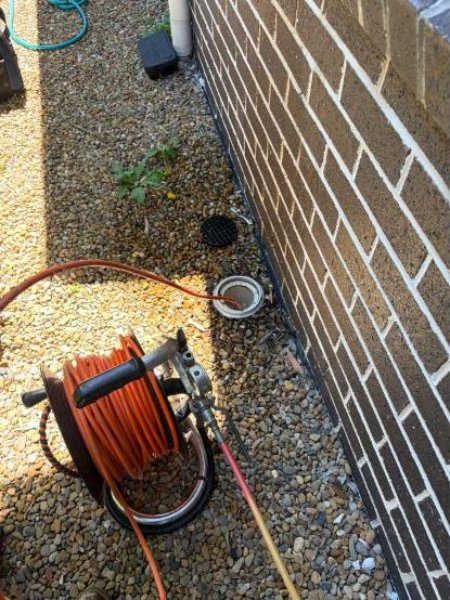
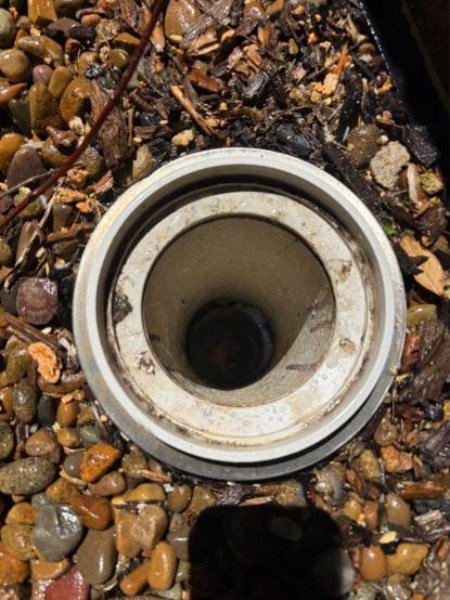
Grease blockage cleared from a kitchen line, Little Bay (nearby)
The problem: a kitchen sink in a Little Bay home was blocked and dirty water was coming back up into the dishwasher.
What we did: the overflow gully outside the kitchen window was spilling, which told us the blockage was further down the line, not in the sink itself. Grease had built up inside the pipe. We cleared it with the high-pressure jetter, which broke the grease up and flushed it away.
The result: we filled both sink bowls and released them together to flush the line and confirm everything ran freely.
“Best plumber in Matraville. Unblocked my drains efficiently!”
C S, Matraville (Google review)
More local work is on our recent projects page.
Phillip Bay, street by street
- Along Yarra Road: the older cottages and bungalows, where original clay sewers and long runs down the side of the house are common.
- Around Elaroo Avenue: streets shared with La Perouse, with a mix of older and newer homes, and a mix of clay and PVC drains.
- Near Bicentennial Park and the Yarra Bay foreshore: homes closest to the sand, where shower and laundry lines collect the most beach sand.
- Towards Yarra Point and Bumborah Point: exposed blocks where wind fills pits and downpipes with leaves and sand.
- Villas, townhouses and small flat blocks: shared lines, so it matters to clear from the right access point.
Sand in the shower and laundry
If you live this close to Yarra Bay, sand is part of life. The trouble is that sand doesn't float. It drops into the shower trap and any low point in the line and stays there, slowly narrowing the pipe until hair and soap finish the job. A few easy habits help a lot: rinse off at an outdoor tap or shower before coming inside, shake towels and swimmers outside, and use a fine strainer in the shower waste. If you have an outdoor shower, make sure it drains to a grated pit that can be cleaned out, not straight into the sewer.
Roots in old clay sewers
Root blockages tend to come back at about the same time each year, often in the drier months when roots are hunting for water. If your drain has blocked with roots more than once, the camera usually finds one or two cracked joints letting them in. Cutting the roots out and sealing those joints with a patch reline is usually far less disruptive than digging, especially under paving or a driveway. Our tree roots guide and relining vs digging guide go into more detail.
Stormwater and the gully
Phillip Bay homes get the weather straight off the bay. When downpipes and pits block, rain backs up against the house, and if it reaches the overflow gully it can flood the sewer too. Keep pit grates clear, check the downpipe outlets after big storms, and make sure the gully sits a little above the ground around it so rain can't run into it. If your yard pools, our stormwater page covers the fixes.
What not to put down the drain
- Wipes of any kind, including those labelled flushable.
- Fat, oil and grease from cooking. Wipe pans with paper towel and put it in the bin.
- Coffee grounds and tea leaves, which pack together like wet sand.
- Cotton buds, dental floss and sanitary items.
- Paint, grout and plaster rinse water.
- Large amounts of beach sand from buckets, toys and boards.
Buying an older home in Phillip Bay?
A standard building inspection doesn't look inside the drains. On an older cottage or bungalow, a camera inspection of the sewer before you exchange shows whether the clay line is sound, has a root problem at one joint, or is cracked along its length. You get the footage to keep, and you'll know what you're taking on. Our CCTV drain inspection page explains how it works.
When visitors fill the house
Summer brings visitors to the peninsula, and a house that normally runs two showers a day can suddenly be running six, plus loads of beach towels through the washing machine and a full dishwasher every night. A sewer with a partly blocked joint or a small root mat copes with normal use, then gives up when the load doubles. If a drain has been slightly slow, or the gully water sits a little high, it's worth having it cleared before the holidays rather than in the middle of them.
What we check while we're there
Once the blockage is cleared, we take a few minutes to look at the rest of the drainage so you're not caught out again:
- That the overflow gully sits above the surrounding ground and its grate is clear.
- That inspection opening caps are in place and sealed, so smells and roots can't get in.
- That every fixture drains freely, not just the one that blocked.
- Whether the shower and floor wastes have a strainer that suits a sandy household.
- Whether the stormwater pits near the house are holding sand that will block them in the next storm.
If we see something worth fixing, we'll tell you and give you a price. If it's fine, we'll tell you that too.
Drain words explained
- Overflow relief gully: the grated outlet outside that lets sewage spill in the yard instead of inside the house if the line blocks.
- Inspection opening: a capped access point on the drain for clearing and cameras.
- Jetter: a machine that pushes water at high pressure through the pipe to cut and flush blockages.
- CCTV inspection: a waterproof camera pushed through the pipe to record its condition.
- Patch reline: a short liner that seals one cracked section from inside.
- Sag: a dip in the pipe where water and waste sit instead of flowing.
A drain care calendar for homes by the bay
- Every month: pull hair out of shower and basin strainers, and rinse the laundry lint filter.
- After summer: check the shower and laundry for slow draining from sand, and clean any outdoor shower pit.
- Before the stormy months: lift stormwater grates and clear leaves and sand.
- Once a year: check the gully grate is clear and sits above the surrounding ground.
- Every few years: have an older clay sewer checked with a camera, especially if it has blocked before.
More help in Phillip Bay: pipe relining; also stormwater; also sewer repairs.
What happens when you call
Tell us what's going on
Call or send a quick form. A photo of the problem helps us come prepared. No call-out fee.
Options and a fixed price first
We find the cause, explain your options and give you a fixed price for each before any work starts.
Fixed, tested and backed
We do the work, test it, clean up, and back our workmanship with a lifetime labour warranty.
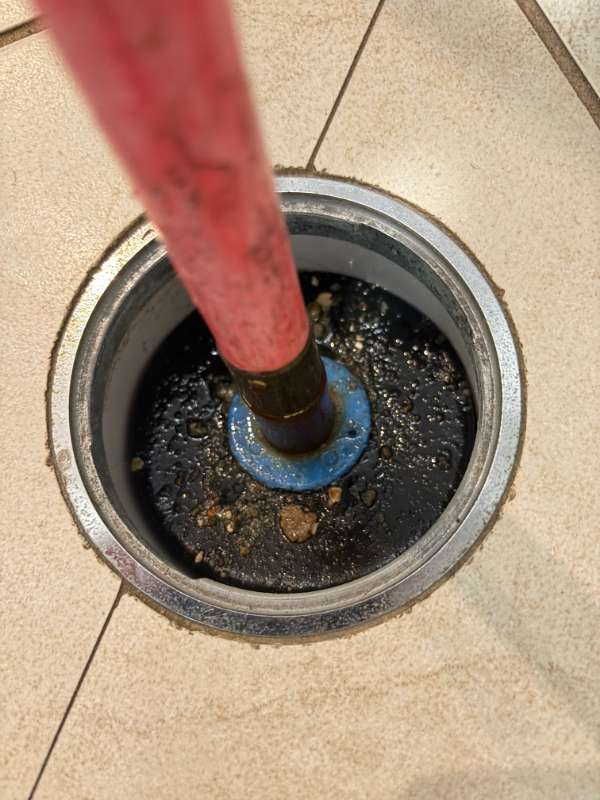
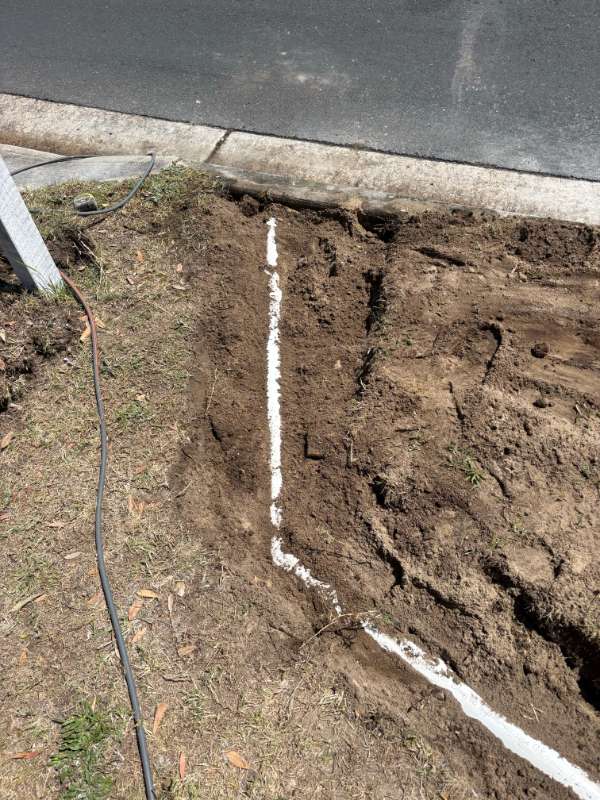
Jobs we finished recently
Why Phillip Bay homeowners call us
- Based in Matraville, a short drive from Phillip Bay
- Rated 5.0 from 110 Google reviews
- Free quotes, with options and a fixed price before any work starts
- Lifetime labour warranty on our workmanship
- Licensed plumbers, drainers and gasfitters (Lic. 398171C)
Blocked drain questions from Phillip Bay homeowners
Why does my drain keep blocking in the same place?
A repeat blockage usually means something in the pipe is catching waste: a cracked joint letting roots in, a sag where sand settles, or a step where old pipe meets new. A camera inspection shows which, so it can be fixed rather than just cleared again.
Is jetting better than a plunger or a drain snake?
For anything past the trap, yes. A snake punches a hole through a blockage, while a jetter scours the pipe wall and flushes the grease, sand or roots right out of the line.
Can sand from the beach really block my drains?
Yes. Sand is heavy and settles in traps and low spots instead of washing through. Over a summer it can build up enough to slow a shower or laundry line, especially in older pipes with sags.
Do you always use a camera?
No. If it's a one-off blockage that clears cleanly, a camera isn't usually needed. We recommend one when a drain has blocked before, when roots come out, or when you're buying.
My overflow gully is spilling. What should I do?
Stop using water inside the house and call us. The gully is doing its job by letting the overflow out in the yard instead of inside. The blockage is somewhere below it.
Will drain cleaning chemicals help?
Rarely. They don't shift sand or roots, they can damage older pipes, and they make the job dangerous for whoever opens the drain next. Please let us know if you've already used any.
Who pays if the blockage is in a shared line?
Usually the owners who share that section split the cost. We'll show where the blockage is and explain it so everyone can see the facts.
What if the blockage is in Sydney Water's sewer?
Then Sydney Water clears it. If we find the problem is in their main, we'll show you and you can report it to them.
Can roots be stopped for good?
Roots can't get into a pipe without a gap. Sealing the cracked joints with a patch reline stops them in that section. Cutting roots alone only buys time.
My home doesn't seem to have an inspection opening. Is that a problem?
Not usually. We can often work from the gully or a fixture. If the line keeps blocking, adding an inspection opening makes future clearing and camera checks simpler.
Do you clear stormwater drains as well as sewers?
Yes. We clear downpipes, pits and stormwater lines, and can find out why a pit keeps filling with sand.
How do I know if my sewer needs relining?
If a camera shows cracked joints or roots, and the drain has blocked more than once, relining is usually worth considering. If the pipe has collapsed, that section needs digging instead. We'll show you the footage and the options.
More plumbing in Phillip Bay: our Phillip Bay plumber page, hot water, leak detection and taps and toilets. Nearby: blocked drains in La Perouse and Little Bay. Guides: tree roots in pipes, pipe relining vs digging and who's responsible for your sewer.