Leak detection in Phillip Bay 2036
In Phillip Bay, a leak can hide for a long time. The ground near Yarra Bay is sand, so water from a leaking pipe in the yard drains away instead of pooling where you'd see it. Older cottages and bungalows on Yarra Road often have pipes under timber floors, and in villas and small flats a leak in one home can show up as a stain in the one below. We're based in Matraville and find leaks across the peninsula every week.
Leaks we find and fix
High water bills
A bill that jumped without a reason, traced back to the leak that's causing it.
Running toilets
Silent leaks from the cistern into the pan, the most common hidden leak of all.
Leaks under floors
Pipes under timber floors and in subfloor spaces, found and repaired.
Leaks in walls and showers
Damp walls, lifting paint and mould traced to the pipe or fitting behind them.
Front yard leaks
Leaks on the line from the meter to the house, often hidden by sandy soil.
Outdoor fittings
Garden taps, irrigation and outdoor showers that drip into the sand.
Signs of a hidden leak
- Your water bill has gone up and your use hasn't changed.
- The meter moves when every tap in the house is off.
- You hear water running when nothing is on.
- Damp patches, bubbling paint or mould on a wall or ceiling.
- A musty smell from under the floor or inside a cupboard.
- A green, lush strip of lawn or a soft patch in the front yard.
- Water pressure has dropped at the taps.
- The hot water system runs more than usual, which can mean a hot water leak.
Why leaks happen in Phillip Bay homes
Sand that hides the evidence
On clay soil, a leaking pipe in the yard usually makes a puddle. In the sandy ground beside Yarra Bay, the water simply drains down and away. A leak on the line from the meter can run for months, and the first sign is often the water bill. That's why we always start with a meter test.
Older pipes in the older homes
Some of the cottages and bungalows along Yarra Road date back to when Phillip Bay grew along the tram line around 1900. Homes of that age may still have galvanised steel or old copper water pipe in places. Galvanised rusts from the inside until it weeps, and old copper can develop pinholes. One leak on old pipe is often a sign more will follow.
Salt air on exposed pipe
Pipes and fittings outside, at the meter, along walls and at garden taps, face salt air every day. Brass corrodes, copper turns green and thins, and fittings begin to drip. A slow drip at the base of a wall into sand can go unnoticed for a long time.
Homes stacked or joined together
In villas, townhouses and small blocks of flats, pipes for one home can run through or above another. A leak in an upstairs bathroom can appear as a stain in the ceiling below. Working out which home and which pipe it's coming from is the first job.
Phillip Bay homes and where leaks hide
| Home type | Where leaks usually hide | What helps |
|---|---|---|
| Older cottages and bungalows | Under timber floors, in galvanised pipe, at old shower fittings | Isolating sections, and replacing old pipe in stages |
| Detached homes on sandy blocks | The line from the meter to the house | A meter test, then testing the yard line on its own |
| Villas and townhouses | Between floors and in shared walls | Tracking which home and pipe it comes from |
| Small blocks of flats | Shower recesses and pipes in the slab | Testing your own fixtures and pipes first |
| Homes closest to the water | Outdoor fittings, garden taps and outdoor showers | Replacing corroded fittings with ones that suit salt air |
How we find a leak
- The meter test. With every tap off, we watch the meter. If it moves, water is going somewhere.
- Check the obvious first. Toilets, the hot water relief valve, garden taps and irrigation are checked before anything else.
- Split the system. We isolate the house from the yard line, and hot from cold, to narrow down where the leak is.
- Pressure test sections. Isolated pipes are tested to see which one is losing water.
- Look and listen. We check under floors, in cupboards and at fittings for signs of water.
- Give you options. Once the leak is found, you get a fixed price to repair it, or to replace or reroute the pipe if that's the better fix.
- Confirm the fix. After the repair we watch the meter again to make sure it has stopped moving.
Repair, replace or reroute?
| Situation | Usually | Why |
|---|---|---|
| A single leaking fitting | Repair the fitting | The rest of the pipe is sound |
| One leak on old galvanised pipe | Replace the run | More leaks are likely along the same pipe |
| Leak under a slab or tiled floor | Reroute through a wall or ceiling | Avoids breaking up the floor |
| Leak on the yard line in sand | Repair or replace that line | Depends on the pipe's age and condition |
| Toilet leaking into the pan | Replace the inlet or outlet valve | Simple fix with a quick payback |
What affects the cost
- How long it takes to find: a running toilet is quick; a leak under a floor takes longer.
- Access: under-floor spaces, walls, ceilings and paved areas.
- Repair or replace: a fitting, a length of pipe, or a whole run.
- Making good: patching walls or paving after the repair.
You get a fixed price for the repair before any work starts.
Who's responsible?
- You, the homeowner: the pipes from the meter to your fixtures, including the line under the front yard.
- Sydney Water: the water main and the meter itself. If the leak is on their side of the meter, they fix it.
- Shared pipes: in a villa group or block of flats, pipes serving more than one home are looked after by all the owners together. We'll explain what we found and give you a note with photos to pass on.
- Your neighbour: if water is coming from their home into yours, the leak is theirs to fix.
Our water meter guide explains where your pipes start and finish.
The meter test
- Turn off every tap, the washing machine, dishwasher and any irrigation.
- Find your water meter, usually near the front boundary.
- Take a photo of the reading, or note it down, including the small dials.
- Wait an hour without using any water.
- Read it again. If the numbers have changed, water is leaking somewhere.
If the small red dial is turning while everything is off, the leak is active right now. Our meter leak test guide walks through it with photos.
Signs it's urgent and when it can wait
- Call straight away if water is pouring, a ceiling is bulging, or water is near power points. Turn off the water at the meter.
- Call soon if the meter is moving quickly, a damp patch is growing, or you can hear water running.
- Book a time if your bill is higher than it should be, or the meter moves slowly with everything off.
A recent leak repair nearby
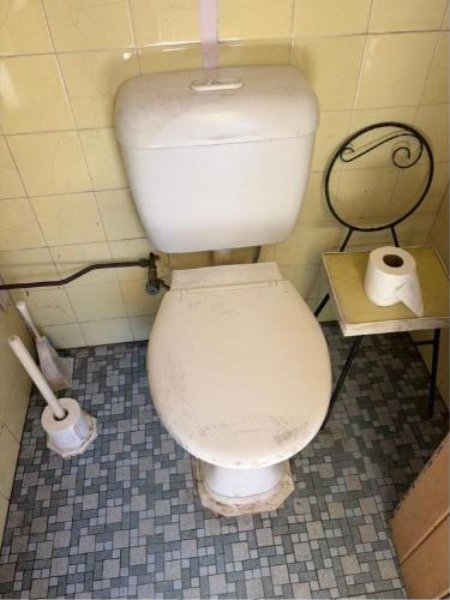
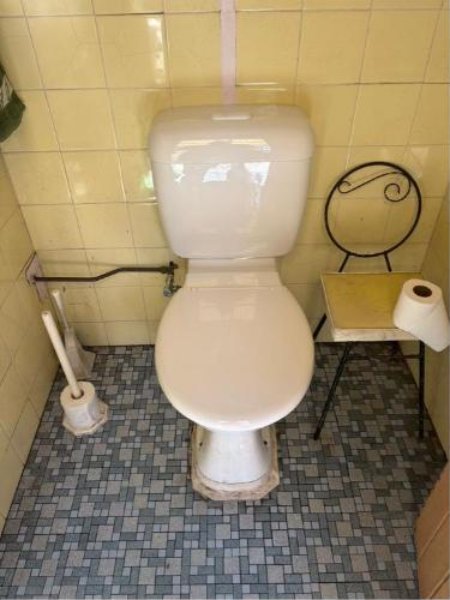
Here is a recent leak repair nearby in Chifley, a few minutes from Phillip Bay. Toilets are one of the most common sources of a hidden leak, and they're usually simple to fix.
Toilet leaking at the back repaired, Chifley (nearby)
The problem: a toilet in a Chifley home was leaking at the back.
What we did: we tracked down where the water was getting out and repaired the leak at the back of the toilet.
The result: the toilet works without leaking and the floor stays dry.
More local work is on our recent projects page.
Leaks across Phillip Bay
- Along Yarra Road: older homes with pipes under timber floors and, in some, old galvanised or copper pipe.
- Near Bicentennial Park and the foreshore: outdoor taps, showers and meter fittings exposed to salt.
- Towards Yarra Point and Bumborah Point: exposed blocks where outdoor pipework takes the weather.
- Around Elaroo Avenue: a mix of older and newer homes, so the pipe materials vary house to house.
- Villas, townhouses and flats: leaks that show up in a neighbour's ceiling before your own.
Toilets: the most common hidden leak
A toilet can leak water into the pan all day without making a sound. It might be a worn outlet seal letting water trickle through, or an inlet valve that doesn't shut off fully and keeps topping up through the overflow. Either way, it can waste a surprising amount of water. Try this: put a few drops of food colouring in the cistern, don't flush for half an hour, then look in the pan. If the colour has come through, the cistern is leaking. Our hear water running page has more on silent leaks.
Leaks under timber floors
Older homes on stumps have a subfloor where pipes run between the bearers. A leak there can drip onto the sand for months. You might notice a musty smell, a floor that feels soft near the bathroom or kitchen, or mould on skirting boards. We check the subfloor with a torch, follow the pipe runs and look for wet sand, staining and corroded fittings. Once found, a leak under a floor is often straightforward to repair because there's access.
Leaks in the front yard
The line from the meter to the house runs under the front yard. If it's old, or a fitting along it has failed, water drains into the sand and nothing shows on the surface. The meter test tells us water is leaving; isolating the house from the yard line tells us whether the leak is in the yard. If it is, we find the section and either repair it or replace the line, depending on its condition.
Galvanised pipe: one leak usually means more
Galvanised steel pipe rusts from the inside. By the time one section is leaking, the rest of the pipe is usually thin too. Patching one leak is possible, but another often follows nearby. Replacing galvanised pipe, all at once or in stages, ends the cycle and usually improves water pressure too. Our galvanised pipes guide explains more.
Outdoor taps, showers and irrigation
Near the water, outdoor fittings corrode faster. Garden taps seize and leak at the spindle, outdoor showers drip from worn cartridges, and irrigation fittings crack. Because they drip into sand or garden beds, they're easy to miss. Walk around the outside of the house every few months and look for wet patches under taps and along pipe runs.
Hot water leaks
A leak on the hot water side costs twice: you pay for the water and the energy to heat it. Signs include the hot water system running more than usual, warm spots on a floor, or a relief valve that drips constantly. We test the hot and cold sides separately to find out which one is leaking.
Insurance and leak reports
If a leak has damaged walls, floors or ceilings, your insurer may want a report on what caused it. We can give you a written summary with photos of the leak, what we found and what we repaired. Insurers usually cover the resulting damage rather than the repair to the pipe itself, so check your policy.
Leaks in showers and wet areas
A shower can leak in two ways. Water can escape from the pipes and fittings behind the wall, such as a mixer body or a joint on the shower arm. Or the water you shower in can get past worn grout, a failed seal or the waterproofing under the tiles. The first leaks all the time, whether the shower is on or not, and shows up on the meter. The second only leaks while the shower is running, and often shows up as damp on the other side of the wall or in the room below. We test for both, so you know whether you need a plumbing repair or a waterproofing repair before anyone starts lifting tiles.
Leaks while you're away
Phillip Bay homes are sometimes left empty for a few weeks over summer or winter. A small leak that runs the whole time can mean a big bill and damp damage waiting when you get back. Before you go, turn off the water at the meter if nobody will be using it, or at least turn off the washing machine taps. If someone is minding the house, show them where the meter tap is. When you return, do a quick meter test before turning everything back on.
Getting a leak found quickly
- Do the meter test before you call, and tell us the result.
- Note when the bill went up, and whether anything changed around that time.
- Take photos of any damp patches or stains, and mark their edges with pencil so you can see if they're growing.
- Tell us if you've had any work done recently, such as a new tap, toilet or appliance.
- Make sure we can get to the meter, the subfloor access and any cupboards with pipes.
Leaks and water pressure
High mains pressure puts constant strain on taps, toilet valves, braided hoses and joints. Fittings wear faster, relief valves drip, and pipes can bang when a tap shuts quickly. If you've had several small leaks in a short time, it's worth having the pressure tested at the meter. A pressure limiting valve can protect the whole house. On the other hand, a sudden drop in pressure can itself be a sign of a leak, so we look at both when we test. See our pressure limiting valve page.
Water meters near the bay
Meters close to the front boundary in Phillip Bay can end up half buried in sand, garden mulch or leaves. Keep yours clear so you can read it and turn it off quickly. If the meter tap is stiff or corroded, let us know. A meter tap that won't turn is no help when you need to stop a leak.
What a leak costs you
A dripping tap or a toilet trickling into the pan doesn't look like much, but it runs all day and night. Over a billing period that adds up, and a hidden leak on the yard line can cost far more. Damp also damages timber floors, plaster and cupboards, and encourages mould. Finding and fixing a leak early is almost always cheaper than living with it.
After the leak is fixed
- Do another meter test a few days later to confirm nothing else is leaking.
- Keep an eye on your next water bill.
- Dry out any damp areas so mould doesn't take hold.
- If old pipe was the cause, think about replacing the rest before it leaks too.
- Check your braided hoses under sinks and toilets for rust and fraying.
Leak words explained
- Meter test: checking whether the water meter moves with everything turned off.
- Isolating: shutting off one section of pipe to test it on its own.
- Pressure test: filling a section with water at pressure to see if it holds.
- Galvanised pipe: older steel water pipe that rusts from the inside.
- Subfloor: the space under a raised timber floor.
- Reroute: running new pipe a different way instead of digging up the old one.
More help in Phillip Bay: burst pipes.
What happens when you call
Tell us what's going on
Call or send a quick form. A photo of the problem helps us come prepared. No call-out fee.
Options and a fixed price first
We find the cause, explain your options and give you a fixed price for each before any work starts.
Fixed, tested and backed
We do the work, test it, clean up, and back our workmanship with a lifetime labour warranty.
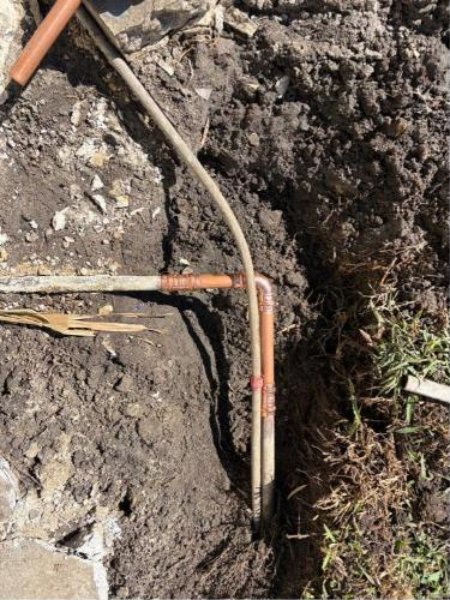
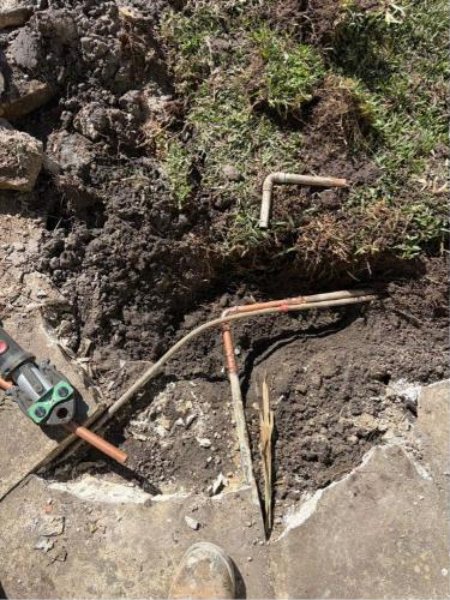
Jobs we finished recently
Why Phillip Bay homeowners call us
- Based in Matraville, a short drive from Phillip Bay
- Rated 5.0 from 110 Google reviews
- Free quotes, with options and a fixed price before any work starts
- Lifetime labour warranty on our workmanship
- Licensed plumbers, drainers and gasfitters (Lic. 398171C)
Leak detection questions from Phillip Bay homeowners
How do I know if I have a leak?
Do a meter test: turn everything off, read the meter, wait an hour and read it again. If it has moved, water is leaking somewhere.
Why can't I see the leak if my bill is high?
In sandy ground, water from a yard leak drains away instead of pooling. Leaks under floors and in walls also stay hidden. The meter test tells us the leak is there; then we find it.
Is a running toilet really a leak?
Yes, and it's the most common one. A toilet can leak into the pan silently all day. The food colouring test will tell you.
Do you have to break walls to find a leak?
Not usually. We narrow down the location by isolating and testing sections first, so if anything needs opening, it's only the spot where the leak is.
Who pays if the leak is on the street side of the meter?
Sydney Water looks after the main and the meter. If the leak is on their side, they fix it.
Can a leak in the flat above come through my ceiling?
Yes. We can check whether the water is coming from your home or from above, and give you a note with photos to pass on.
Should I replace old galvanised pipe after a leak?
Often yes. Galvanised rusts from the inside, so one leak usually means more will follow. Replacing it in stages is an option.
Will insurance cover my leak?
Insurers often cover the resulting damage but not the pipe repair. We can give you a report with photos for your claim.
How long does leak detection take?
A toilet or tap leak is quick. A leak under a floor or in the yard takes longer. We'll let you know as we go.
Can salt air cause leaks?
It can. Salt corrodes outdoor fittings, garden taps and exposed pipe, which then start to drip, often into sand where it goes unnoticed.
What do I do while I wait for you?
If water is pouring, turn it off at the meter. If it's a slow leak, put a container under it and keep power away from any water.
Is your work guaranteed?
Yes. Our workmanship carries a lifetime labour warranty.
More plumbing in Phillip Bay: our Phillip Bay plumber page, taps and toilets, hot water and blocked drains. Nearby: leak detection in La Perouse and Little Bay. Guides: hidden water leaks, your water meter and galvanised pipes.