Sewer repairs in Phillip Bay 2036
Your private sewer carries everything from your toilets, showers, sinks and laundry to Sydney Water's main. In Phillip Bay, many of those pipes are older clay, laid when the cottages and bungalows along Yarra Road were connected in the years after the tram line arrived around 1900, and joined to newer pipe as homes were extended. Clay joints crack, roots and sand get in, and the sandy ground beside Yarra Bay lets pipes shift. When the sewer fails, you'll see slow drains, hear gurgling, smell it, or find the overflow gully spilling in the yard. We're a short drive away in Matraville.
Sewer repairs we do
Blocked sewers
Roots, grease, sand and wipes cleared with a jetter or cutter.
Cracked and broken pipes
Damaged sections repaired, relined or replaced.
Root intrusion
Roots cut out and joints sealed so they can't get back in.
Overflowing gullies
Gullies cleared, raised or repaired so they work as they should.
Boundary traps
Old traps cleared, repaired or replaced, with access added.
Smells and vents
Traps, vents and cracked pipes found and fixed.
Signs of a sewer problem
- The overflow gully spills or the water sits high in it.
- Several drains are slow at the same time.
- Gurgling from basins, showers or the toilet.
- Water rises in the shower or floor waste when you flush.
- A sewer smell inside or in the yard.
- Soggy, sunken or lush patches along the drain line.
- The gully overflows in heavy rain, which can mean stormwater is getting into the sewer.
- The toilet blocks often.
Why sewers fail in Phillip Bay
Clay pipes and joints
Older Phillip Bay sewers are clay pipe in short lengths, joined with mortar or early rubber rings. After many decades, the joints crack, open or shift out of line. Every joint is a weak point.
Roots from trees and scrub
Roots from trees and coastal scrub find the gaps at clay joints and grow inside, forming a mat that catches paper and waste. They grow back through the same gaps unless the joints are sealed.
Sand and ground movement
The sandy ground beside Yarra Bay moves with wet weather. That can open joints and create bellies where waste settles. Sand can also wash into cracked pipes and build up inside.
Old and new joined together
Extensions often join PVC to the original clay. A poor join, or a damaged old section, becomes a regular blockage point.
Stormwater in the sewer
In some older homes, a downpipe or yard drain was connected to the sewer. In heavy rain, that overloads the line and the gully spills. It isn't allowed, and needs reconnecting to the stormwater.
Phillip Bay homes and sewers
| What we see | Typical sewer | Common faults |
|---|---|---|
| Older homes | Original clay to a boundary trap | Roots, cracks, sand, displaced joints |
| Extended homes | PVC joined to older clay | Damage at the join or the old section |
| Homes with decks and paving | Lines under finished surfaces | Repairs that are costly to dig |
| Homes busy over summer | Lines that cope with light use | Blockages when the house is full |
How we repair a sewer
- Talk it through: what's happening, which fixtures are affected, any past work.
- Clear the blockage if there is one, so the home is usable.
- Camera the line and show you the footage.
- Locate the damage on the ground.
- Give you options: clear, patch reline, full reline, or dig and replace, each with a fixed price.
- Do the repair.
- Camera again to confirm the result.
Which repair suits?
| Problem | Usual repair |
|---|---|
| Roots at a few joints | Cut roots, then patch reline the joints |
| Roots along the whole line | Full-length reline |
| Sand coming in through cracks | Jet clean, then reline the cracked sections |
| Collapsed section | Dig and replace that section |
| Belly holding waste | Dig and relay, or monitor if minor |
| Stormwater connected to the sewer | Reconnect it to the stormwater |
See pipe relining in Phillip Bay.
What affects the cost
- The type of repair and how many sections.
- Depth and location of the pipe.
- What's on top: lawn, paving, decking or a building.
- Access points, and whether one needs to be added.
- Making good after any digging.
You get a fixed price for each option before any work starts.
Who's responsible?
- You: the private sewer from your home to the point where it connects to the sewer main.
- Sydney Water: the sewer main and, in most cases, the connection to it.
See our sewer responsibility guide. If the camera shows the problem is on Sydney Water's side, we'll give you the footage and a note to report it.
Quick checks you can do
- Find your overflow gully and check the water level and grate.
- Run a tap and listen for gurgling elsewhere.
- Flush the toilet and watch the shower floor waste.
- Walk the drain line for soggy or sunken ground.
- Watch the gully in heavy rain: if it spills only then, stormwater may be getting in.
Signs it's urgent and when it can wait
- Call straight away if sewage is coming up through the gully, a floor waste or the toilet.
- Call soon if every drain is slow or there's a strong smell.
- Book a time if a drain blocks every few months, or you'd like a camera check.
A recent sewer job nearby
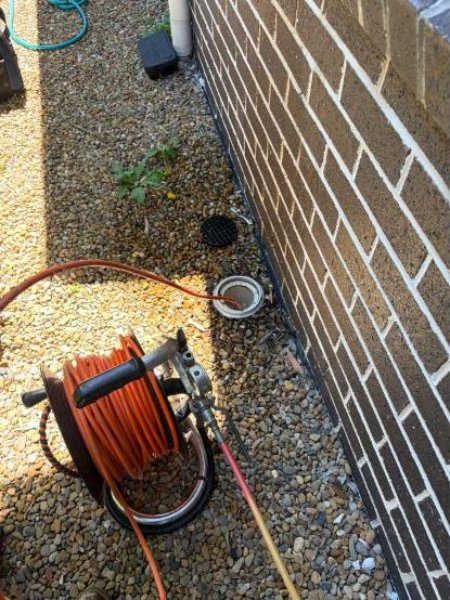
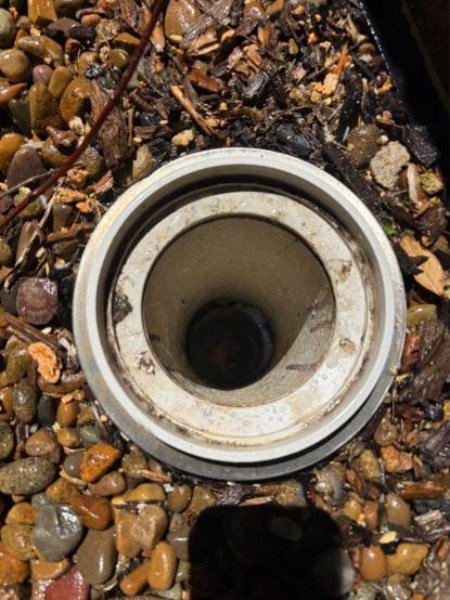
Here's a recent drain job nearby in Little Bay, where the overflow gully showed us the blockage was further down the line.
Grease blockage jetted from a kitchen line, Little Bay (nearby)
The problem: a blocked kitchen sink in a Little Bay home was pushing dirty water back into the dishwasher.
What we did: the overflow gully outside the kitchen window was spilling, so we knew the blockage was further down the line. It was grease built up inside the pipe. We cleared it with the high-pressure jetter, which broke the grease up and flushed it away.
The result: we filled both sink bowls and released them together to flush the line and confirm it all ran freely.
“Best plumber in Matraville. Unblocked my drains efficiently!”
C S, Matraville (Google review)
More local work is on our recent projects page.
Phillip Bay, street by street
- Along Yarra Road: older cottages and bungalows with original clay sewers, some running under the back rooms.
- Around Elaroo Avenue: older and newer homes side by side, with old clay joined to newer PVC.
- Near Bicentennial Park and the Yarra Bay foreshore: the sandiest ground, where pipes sag and sand settles in the line.
- Towards Yarra Point and Bumborah Point: exposed blocks with mature trees and scrub whose roots find the joints.
- Villas, townhouses and small flat blocks: shared private lines, where one fault can affect several homes.
Your overflow gully: the early warning
Every house sewer should have an overflow relief gully in the yard, usually near the kitchen or laundry. It sits lower than the floor drains inside, so if the sewer blocks, sewage spills out in the yard instead of coming up through your shower or toilet. We often find gullies covered by paving or decks, set too high during landscaping, or placed so garden water runs into them. A gully that can't do its job means a blockage shows up inside the home first. We check gullies on every sewer job.
Boundary traps
Many older Phillip Bay homes have a boundary trap near the front boundary, where the private sewer connects towards the main. It has a water seal that stops sewer gases coming back up the house line, and an inspection opening on top. Over the years, the opening may be buried, the cap lost, or the trap cracked. Boundary traps are a common place for blockages. We clear and repair them, add proper access if needed, and make sure the cap is in place.
Sand in the sewer
On sandy ground beside the bay, sand gets into sewers two ways: through cracks in the pipe from the surrounding ground, and down the drains from beach gear, outdoor showers and laundries. Sand is heavy and settles where the flow slows, building up until the pipe narrows. Jetting flushes it through. If the camera shows sand coming in through cracks, relining those sections stops it.
Sewer smells
A sewer smell has a cause: a dry trap in a rarely used floor waste or basin, a leaking toilet pan connector, a loose inspection cap, a cracked pipe under the floor, or a blocked or broken vent. In homes that sit quiet for weeks, dry traps are a common culprit. We work through the likely causes and fix the real one. See sewer vent pipes.
Inspection openings
An inspection opening is a capped fitting on the sewer that gives direct access for cleaning and cameras. Many older Phillip Bay homes have very few. Adding one at a convenient point makes every future clear or camera inspection quicker and cheaper. See sewer inspection openings.
Before you buy in Phillip Bay
If you're buying an older Phillip Bay home, a CCTV sewer inspection is a sensible check. Building inspections usually don't cover underground pipes. The camera shows the condition of the private sewer, any roots, cracks or sand, and whether repairs are likely.
Grease in the kitchen line
Fat and oil sent down the sink cool and set inside the pipe, building up into a layer that catches food scraps and soap until the line blocks, as in the Little Bay job above. Jetting breaks the grease up and flushes it away. Wiping greasy pans with paper towel, using a sink strainer and never pouring oil down the drain make a real difference.
Digging when it's needed
Relining suits most cracked and root-damaged sewers, but not all. A section that has collapsed, been crushed or sags badly may need digging up and replacing. In sand, digging is usually straightforward in an open garden, though deeper excavations need shoring. Where the damaged section is under paving or a deck, we cut out or lift only what's needed and make good afterwards. We'll show you on the camera why we recommend digging for that section, and give you a fixed price that includes reinstating the surface.
When the problem is Sydney Water's
Sometimes the camera shows your private sewer is fine, and the blockage or damage is at the connection to the main or in the main itself. In that case, the repair is Sydney Water's responsibility. We'll stop at that point, give you the footage and a short note, and you can report it. That way you're not paying for work on a pipe that isn't yours.
Why we camera before quoting
Guessing at sewer repairs is expensive. A drain that blocks every few months might have one root-filled joint, or damage along its whole length. We camera the line, measure and locate each problem, and show you the footage before recommending anything. You'll get the footage to keep.
Sewers and sinking ground
A cracked or open sewer joint in sand can cause problems above ground as well as inside the pipe. Water leaking out washes sand away, and the ground above can slowly sink. You might see a dip in the lawn, a sunken paver or a crack in a path. Relining the joint usually fixes the cause without digging, and the ground can then be topped up.
Reading the camera footage
We'll show you the footage and explain what you're seeing. Fine hair-like roots or thick clumps at a joint are root intrusion. A step or dark gap is a displaced joint. A line along or around the pipe is a crack. A pile in the bottom of the pipe is sand or debris. Water sitting in one spot is a belly. A white or grey coating is usually grease.
Looking after your sewer
- Don't put fats, oils or grease down the sink.
- Only flush toilet paper. Wipes cause blockages.
- Rinse sand off outside before showering inside.
- Keep the overflow gully grate clear and visible.
- Run water in rarely used drains every week or two.
- Consider a camera check every few years on older clay lines.
What to expect on the day
We give you a time window and let you know when we're on the way. If the sewer is blocked, we clear it first so you can use the home. Then we camera the line, show you what we found, and explain your options with a fixed price for each. Small repairs are often done on the same visit. Larger repairs like relining or digging are booked at a time that suits you.
Older homes with additions
Many Phillip Bay homes have been extended over the years: a new bathroom, a second toilet in the laundry or a back room. Each addition connected to the existing sewer, often with PVC joined onto the old clay. Those joins are common trouble spots. The camera shows where old meets new and whether the join is sound. If the line runs under an extension, relining is usually the best way to repair it.
Busy weekends and full houses
Sewers often fail at the worst time: a long weekend with family staying, or the middle of summer when everyone's showering after the beach. More people means more showers, more flushes and more washing up, often with sand in the mix, going into a line that may already be partly blocked. If your drains have been slow or gurgling, get the sewer checked before the busy season. If it does block, stop using water, and call us. We'll get it flowing first, then work out why.
Sewers and the bay
Phillip Bay sits beside Botany Bay, and sewer overflows from a blocked gully can wash into stormwater after rain. Keeping your private sewer in good repair, and making sure stormwater isn't connected to it, helps keep the water around the peninsula clean for swimming and diving.
A sewer you can forget about
The goal of any sewer repair is a line you don't have to think about. That means clearing the blockage, finding the cause and fixing it properly so it doesn't come back. You'll see the footage, understand the options and know the fixed price before any work starts. Our workmanship carries a lifetime labour warranty.
Why Phillip Bay homeowners call us
We're a short drive away in Matraville and repair sewers across Phillip Bay, Little Bay, Chifley and Phillip Bay. If you've had the same drain cleared more than once in the past year, or you can smell sewage around the yard, call us and we'll give you a clear plan to fix it.
Homes that sit quiet
If your home is empty for weeks at a time, the water in traps can evaporate and let sewer gas into the house. When you arrive, run water in every basin, shower, floor waste and laundry tub, and flush each toilet. If a smell lingers after that, there may be a cracked pipe or a vent problem worth checking. A quiet sewer can also hide a slow problem, like roots growing into a joint, until the house fills up and the line suddenly can't cope.
Outdoor showers and the sewer
Outdoor showers send a lot of sand down the drain. Depending on how they're connected, that sand can end up in the sewer or stormwater. A fine grate and a quick rinse-off routine help. If your outdoor shower drains slowly, or you're not sure where it's connected, we can check it and clear the line.
Before you call
- Note which fixtures are slow or backing up.
- Check the overflow gully and note the water level.
- Note when it happens: all the time, after heavy use, or in heavy rain.
- Tell us about access: side gates, decks and parking.
Stormwater connected to the sewer
If your overflow gully spills mainly during heavy rain, a downpipe, yard drain or courtyard pit may be connected to the sewer instead of the stormwater. In a big storm off the bay, that sends a lot of rainwater into a pipe built only for household waste. It's not allowed, and it can overload the sewer for the whole street. We find these connections with a camera and dye testing and move them to the stormwater system. See downpipes into the sewer.
Sewers under raised floors
In the older Phillip Bay homes that sit on stumps, the sewer often runs under the floor before it heads out to the yard. That has one advantage: the pipe can sometimes be reached from the subfloor without breaking anything. We check the access, look at the joints and the branch connections from the bathroom and kitchen, and use the camera to see the rest. Where a section under the house is cracked, relining from outside is usually the tidiest fix.
Planning an extension or deck
If you're planning to extend, add a deck or put in a pool, find out where the sewer runs first. Building over or near a sewer has rules, and a Sydney Water main has extra requirements. A camera inspection with the line marked out takes the guesswork out of the design, and fixing an old clay line before it disappears under new work is far easier than reaching it afterwards.
Sewer words explained
- Private sewer: the pipes from your home to the sewer main.
- Sewer main: Sydney Water's pipe, usually under the street.
- Overflow relief gully: a grated outlet in the yard that relieves a blockage outside the home.
- Boundary trap: a fitting near the front boundary with a water seal and inspection opening.
- Junction: where a branch line joins the main house line.
- Displaced joint: where two lengths of pipe have moved out of line.
- Belly: a dip in the pipe where water and waste sit.
What happens when you call
Tell us what's going on
Call or send a quick form. A photo of the problem helps us come prepared. No call-out fee.
Options and a fixed price first
We find the cause, explain your options and give you a fixed price for each before any work starts.
Fixed, tested and backed
We do the work, test it, clean up, and back our workmanship with a lifetime labour warranty.
Jobs we finished recently
Why Phillip Bay homeowners call us
- Based in Matraville, a short drive from Phillip Bay
- Rated 5.0 from 110 Google reviews
- Free quotes, with options and a fixed price before any work starts
- Lifetime labour warranty on our workmanship
- Licensed plumbers, drainers and gasfitters (Lic. 398171C)
Sewer repair questions from Phillip Bay homeowners
How do I know if my sewer is damaged?
Repeat blockages, gurgling, smells and an overflowing gully are common signs. A camera confirms it.
What is an overflow gully?
A grated outlet in the yard that lets sewage out outside, not inside, if the sewer blocks.
Why does my gully overflow only in heavy rain?
Stormwater may be connected to the sewer. We can find and fix it.
Can sand get into a sewer?
Yes, through cracks and down the drains. Jetting and relining fix it.
Can roots be stopped for good?
Yes, by sealing the joints with relining.
Do you always need to dig?
No. Many repairs are done by relining from an access point.
What is a boundary trap?
A fitting near the front boundary where many older sewers connect.
Why does my bathroom smell of sewage?
Often a dry trap, a leaking pan connector, a vent problem or a cracked pipe.
Is the sewer main my responsibility?
No. Sydney Water looks after the main.
How long does a repair take?
Clearing takes an hour or two. Relining or replacing a section usually takes a day.
Can you check a sewer before I buy?
Yes. A CCTV inspection shows its condition.
What warranty do I get?
Our workmanship carries a lifetime labour warranty.
More plumbing in Phillip Bay: our Phillip Bay plumber page, blocked drains, pipe relining and stormwater. Nearby: sewer repairs in Little Bay, Chifley and Malabar. Guides: sewer responsibility, sewer inspection openings and tree roots in pipes.