Sewer repairs in Matraville 2036
Many Matraville homes still run on the clay sewer pipes laid when the suburb was built up after the war. Seventy years of tree roots and shifting sand take their toll. Our workshop is on Girawah Place, so we clear and repair sewers right across Matraville, from the streets around Bunnerong Road and Franklin Street to the homes off Australia Avenue and near Heffron Park.
Signs your sewer has a problem
- Toilets gurgling or bubbling when another fixture drains.
- The toilet, shower and basin all slow at the same time.
- Water coming up the shower or floor waste when you flush.
- The overflow gully overflowing outside near the laundry or bathroom.
- A sewage smell in the yard or near an inspection opening.
- A soggy, smelly or very green patch over the sewer line in the backyard.
- The same blockage coming back every few months.
One slow sink is usually a local blockage. When several fixtures are affected at once, the main sewer line is the likely problem. See gurgling drains and toilet water rising.
Why sewers fail in Matraville
1950s and 1960s clay pipes
The post-war brick and fibro homes that make up much of Matraville were mostly connected with vitrified clay sewer pipe. Clay lasts a long time, but its joints were sealed with mortar or early rubber rings that loosen over the decades. Once a joint opens, roots and sand get in. Clearing roots from a 1950s clay line is one of the most common sewer jobs we do in the suburb.
Sandy ground
Matraville sits on the same sandy ground that runs across to Botany Bay. When sand under a sewer pipe settles or washes away, the pipe sags. A sag holds water and waste, and blockages build up there. Open joints also let sand into the pipe, which settles in the bottom and reduces flow.
Trees in the backyard and the nature strip
Mature trees planted decades ago in Matraville backyards, and street trees along the nature strip, send roots towards the moisture in sewer pipes. Fine roots get through hairline cracks and grow into a mat. See our tree roots guide.
Old meets new on rebuilt blocks
Where a house has been knocked down and replaced with a duplex or townhouses, the new homes often connect into an existing sewer line or a new junction. Where new PVC is joined to old clay, or where drainage has been reconfigured for two homes, there can be weak joints, poor falls or shared lines that neither owner knows about.
Stormwater getting into the sewer
Some older Matraville properties have downpipes or yard drains illegally connected to the sewer. In heavy rain the sewer floods and can overflow at the gully. See downpipe into sewer.
Wipes and fat
Wet wipes and cooking fat catch on roots and rough joints and turn a partial blockage into a full one.
Sewer smells without a blockage
Not every sewer smell means a blocked pipe. A dried-out floor waste or a basin that's rarely used can let sewer gas into the room because the water seal in the trap has evaporated; running water for a minute usually fixes it. A loose toilet pan seal, a cracked vent pipe on the outside wall, or a missing inspection opening cap outside can also let smells out. If the smell keeps coming back, we can camera the system and check the fittings to find where it's escaping. See sewer vent pipes.
Sewers in different Matraville homes
Original post-war houses
The sewer usually runs from the bathroom, laundry and kitchen along one side of the house to the back or front, depending on where the Sydney Water main is. Inspection openings are often buried under later paving or garden beds.
Extended homes
Rear extensions and new bathrooms are often connected to the original line. We check the fall and the joints where the new work meets the old.
Duplexes and townhouses
New dwellings may each have their own line to the main, or they may share. If you're not sure, we can trace it with a camera and locator and show you.
Units
Pipes that serve only your unit are usually yours. Shared stacks and lines are usually the building's. We can fix problems within your unit directly.
Sewer trouble after heavy rain
If your gully overflows or your toilet gurgles mainly after a big storm, the problem may be water getting into the sewer rather than a blockage. Rainwater can get in through illegal stormwater connections, broken inspection opening caps, a gully that's set too low in a garden bed, or cracks in the pipe where the sand is saturated. Fixing these keeps the sewer working in wet weather and stops sewage being pushed back up into your yard.
Older homes with a boundary trap
Some older Sydney homes have a boundary trap: a water-filled bend in the sewer near the property boundary, designed long ago to stop gases coming back from the main. Boundary traps catch debris and are a common blockage point. If your home has one, we clear it as part of the job and can talk to you about whether it should be kept.
What's in our camera report
- The recorded footage of the line, from the opening we used towards the main.
- The distance to each fault, so it can be found again.
- The depth and position of each fault, marked on site.
- What each fault is (roots, crack, sag, displaced joint, broken pipe) and how serious it is.
- The pipe material and size.
- Our options and a fixed price for each.
Planning a granny flat, pool or extension?
Many Matraville blocks are big enough for a granny flat, a pool or a rear extension, and plenty of owners are building them. Before you design anything, find out where the sewer runs and whether a Sydney Water main crosses the yard, because building over or near a sewer has rules and can affect where you can put things. A camera inspection and line location early in the planning stops costly surprises later, and if the old line needs repair, it's cheapest to do it while the ground is already being dug.
How we repair sewers in Matraville
- Clear the blockage with a high-pressure jetter so the home can be used again.
- Camera inspection. We run a CCTV drain camera through the line, record the footage and locate faults from the surface.
- Show you and quote. We show you what we found and give you a fixed price for each option: maintenance clearing, patch relining, or dig and replace.
- Repair it. Patch liners seal cracks and open joints from the inside. Collapsed or badly sagging sections are dug up and replaced with PVC at the right fall.
- Re-camera. We camera the repair so you can see the result.
Sewer blockages
Cleared with high-pressure jetting that cuts roots and flushes sand and waste.
CCTV inspections
Recorded camera inspections that show what's wrong and where.
Patch relining
Damaged sections sealed from the inside without digging up the yard.
Dig and replace
Broken, collapsed or sagging sections replaced with PVC.
Overflow gullies
Gullies raised, repaired or replaced so sewage overflows outside, not inside.
Inspection openings
New openings added so future blockages are quick to clear.
Sewer repair step by step on a typical Matraville job
- We find the overflow gully and any inspection openings, often under paving or plants.
- We jet the line to clear roots and sand so the camera can see.
- We push the camera from the opening towards the sewer main, recording as we go.
- At each fault we stop, mark the position and depth on the surface, and note what it is: roots, crack, sag or broken pipe.
- We play the footage back to you and explain each fault.
- We give you a fixed price for the options and, once you choose, book in the repair.
Clear it, reline it or replace it?
| What the camera shows | Short-term option | Long-term fix |
|---|---|---|
| Fine roots at one joint | Jet the roots out | Patch reline that joint |
| Roots at many joints | Regular jetting | Reline or replace the length |
| Sag holding water | Jet to clear the build-up | Dig up and relay at the right fall |
| Hairline crack | Jet and monitor | Patch reline the crack |
| Broken or collapsed pipe | Not really an option | Dig up and replace |
Read more in our pipe relining guide, or see pipe relining in Matraville and our relining vs digging post.
What affects the cost of a sewer repair
- The fault: clearing a blockage is a smaller job than repairing a cracked or sagging pipe.
- Depth and location: shallow lines under lawn are quicker to reach than deep lines under concrete or the house.
- Repair method: relining avoids digging up driveways and paving.
- Access: narrow side passages and tight backyards affect equipment and digging.
- Shared lines: on rebuilt blocks, two owners may share the repair.
- Making good: re-laying pavers, patching concrete and re-turfing.
You get a fixed price for each option before any work starts.
Who's responsible for the sewer?
- You (the homeowner) look after the private sewer pipes on your property, out to where your line connects to the Sydney Water main.
- Sydney Water looks after the sewer mains and manholes, including mains that run through backyards. If sewage is coming out of a manhole, call Sydney Water.
- Shared private lines are usually the joint responsibility of the owners they serve.
See our sewer responsibility guide, sewer party line page and sewer service diagram.
Quick checks you can do
- Find the overflow gully outside and make sure it isn't covered.
- Lift the grate: water sitting high or rising means a blockage further down.
- Note which fixtures are slow. If it's only one, it's probably local; if it's several, it's the main line.
- If sewage is overflowing, stop using water and keep children and pets away.
Skip the chemical drain cleaners. They don't clear roots and can damage pipes. See chemical drain cleaners.
What our customers say
“Best plumber in Matraville. Unblocked my drains efficiently!”
C S, Matraville (Google review)
Our recent drain work near Matraville
Blocked drains cleared with high-pressure jetting, Maroubra (next door to Matraville)
The problem: slow, blocked drains and floor wastes in a Maroubra home, just over the hill from Matraville.
What we did: we laid down a protective mat to keep the floor clean and cleared the drains and floor wastes with high-pressure jetting, then repaired leaking taps in the same visit.
The result: the drains flow freely again and the owners didn't need a second call-out.
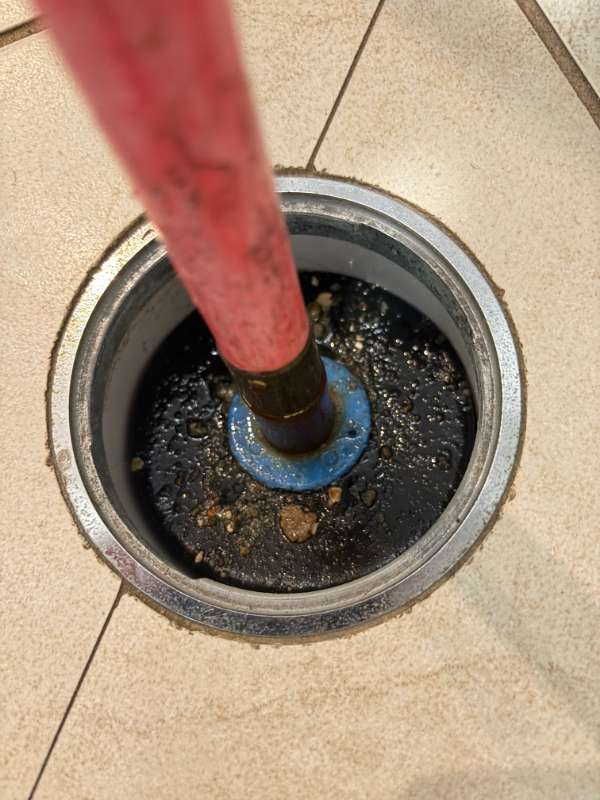
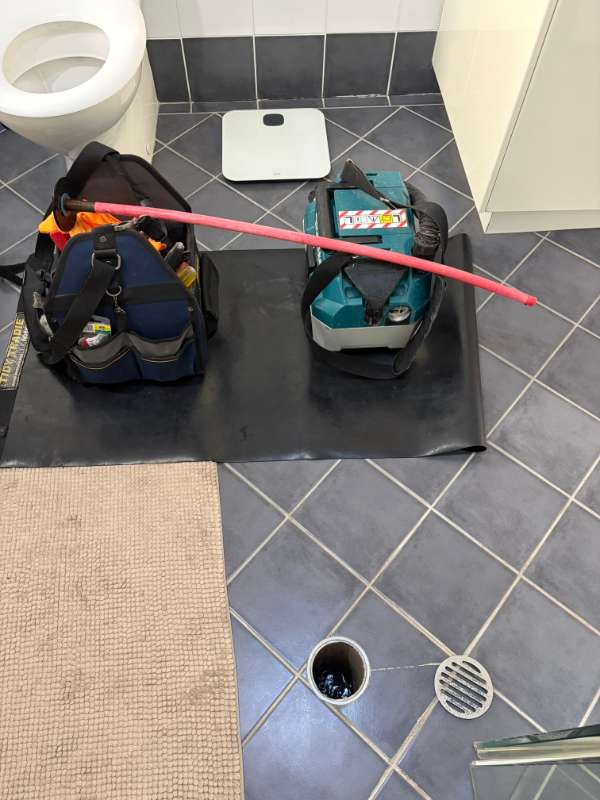
More local jobs are on our recent projects page.
Sewers across Matraville, area by area
- Around Bunnerong Road and Franklin Street: original 1950s and 1960s clay lines, with roots at the joints the most common fault.
- Off Australia Avenue: older homes, many extended, where old clay meets new PVC.
- Near Heffron Park: deep sand where pipes can sag over time.
- Rebuilt blocks: duplexes and townhouses with new junctions and sometimes shared lines.
Signs a sewer problem is urgent and when it can wait
- Call us straight away if sewage is coming up inside, the gully is overflowing, or nothing will drain.
- Book a time if drains are slow or gurgling but still working, or a blockage has come back.
- Plan the repair if a camera shows roots or cracks but the line still flows.
Sewer words explained
- Overflow relief gully: the grated pipe outside that lets sewage overflow outside if the line blocks.
- Inspection opening: a capped access point used to clear blockages and run a camera.
- Junction: where your line connects to the Sydney Water main.
- Fall: the slope of a pipe. Without enough fall, waste sits in the pipe.
- Patch liner: a short lining set inside a damaged pipe to seal it without digging.
- Vitrified clay: the glazed clay pipe used for most older Sydney sewers.
Looking after your sewer
- Flush only toilet paper. No wipes, paper towel or sanitary products.
- Wipe fat out of pans and put it in the bin.
- Keep trees and big shrubs well away from the sewer line.
- Keep the overflow gully clear and lower than your floor wastes.
- If you've had roots before, book a yearly clean and camera check.
- Before you build, extend or put in a pool, get the line located and check for a Sydney Water main.
- Don't pour paint, cement slurry, grout or building waste down drains during home projects. They set hard in the pipe.
- Run water through rarely used floor wastes and basins every few weeks so the traps don't dry out.
Most sewer problems build up slowly. A gurgle, a slow shower or a smell that comes and goes is the system telling you something is starting. Acting at that point usually means a quick clean and a camera check, rather than a dig-up after an overflow.
A simple sewer care calendar
- Monthly: check the overflow gully grate is clear and not covered by pots, mulch or pavers.
- Before summer storms: make sure downpipes and yard drains go to stormwater, not the sewer, and that inspection opening caps are in place.
- Yearly: if you've had roots before, book a jet clean and a quick camera check.
- Before planting: check where the sewer runs and keep trees well clear.
- Before building: locate the line and check for a Sydney Water main.
Why we camera before we quote
It's tempting to just clear a blockage and leave it. Sometimes that's all you need. But on old clay lines in Matraville, the blockage is often a symptom: roots coming through a joint, or a sag collecting waste. Without a camera, the next blockage is a matter of time. A short inspection after clearing tells you whether the line is sound, whether it needs watching, or whether a repair now will save repeated call-outs later. We show you the footage so you can decide with your own eyes.
It also stops unnecessary work. A line that looks bad from the gully can turn out to have just one problem joint, which a single patch liner fixes. Without the camera, you might have been told to replace the whole thing.
Buying an older home in Matraville?
A sewer camera inspection is one of the best things you can do before buying an older Matraville home. It shows the pipe material and condition, and whether roots, sags or cracks are already there. We give you the footage and a plain-English summary, so you know what you're buying and can plan for any repair.
What to expect on the day
We give you a time window and let you know when we're on the way. If the sewer is overflowing, we clear it first. Then we camera the line and show you what we found before recommending anything. We protect floors and paths, keep sewage contained, and clean and disinfect the area we've worked in. If digging is needed, we mark the line, explain what will be lifted and how it will be put back, and plan around the weather.
Questions worth asking before any sewer repair
Sewer work is out of sight and most homeowners only deal with it once or twice, so it's hard to know if you're getting a good answer. Whoever you call, these questions help you make a sound decision:
- Can I see the camera footage? You should see the fault yourself, not just be told about it.
- How far along the line is the fault, and how deep? That decides whether relining or digging makes sense.
- Is it one fault or several? One bad joint might need a single patch, while a line with roots at every joint is a different job.
- Which part is mine and which part is Sydney Water's? Work on the main isn't yours to pay for.
- What will be dug up, and how will it be put back? Ask about paving, concrete and garden beds before work starts.
- Will you camera it again afterwards? Footage of the finished repair is your proof the job was done.
- What's the warranty, and does it cover the labour?
We answer all of these before you agree to anything, and every option comes with a fixed price.
What happens when you call
Tell us what's going on
Call or send a quick form. A photo of the problem helps us come prepared. No call-out fee.
Options and a fixed price first
We find the cause, explain your options and give you a fixed price for each before any work starts.
Fixed, tested and backed
We do the work, test it, clean up, and back our workmanship with a lifetime labour warranty.
Jobs we finished recently
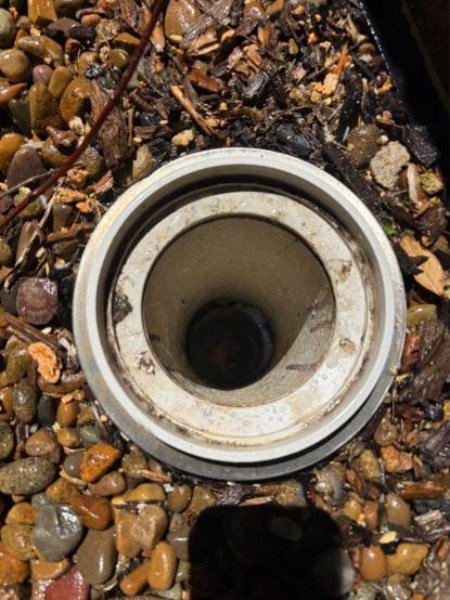
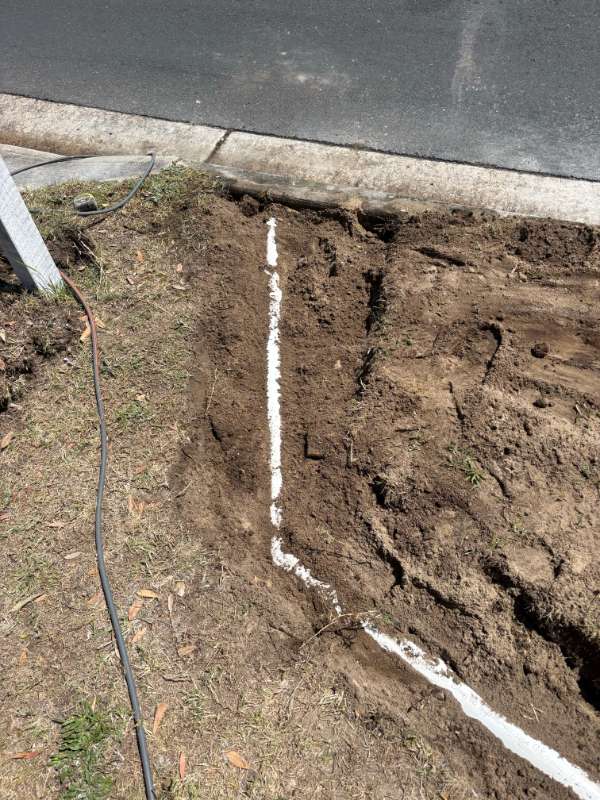
Why Matraville homeowners call us
- Based in Matraville, with our workshop on Girawah Place
- Rated 5.0 from 110 Google reviews
- Free quotes, with options and a fixed price before any work starts
- Lifetime labour warranty on our workmanship
- Licensed plumbers, drainers and gasfitters (Lic. 398171C)
Sewer questions from Matraville homeowners
Why does my sewer keep blocking?
Usually because the pipe has a fault: roots through cracked or open joints, a sag that holds waste, or a broken section. A camera inspection finds the cause so it can be fixed for good.
Who is responsible for the sewer pipe in my yard?
You're responsible for the private pipes on your property out to the connection with the Sydney Water main. Sydney Water looks after its mains and manholes, including those in backyards.
Do you have to dig up my yard?
Not always. Patch relining repairs damaged sections from the inside. Collapsed or badly sagging pipe usually needs digging and replacing.
My duplex shares a sewer with next door. What happens?
A shared line is usually the responsibility of both owners. We can trace the line, show both owners the camera footage and give you a fixed price for the repair.
What is the grated pipe outside my laundry?
That's the overflow relief gully. If the sewer blocks, sewage overflows there instead of inside. Keep it uncovered and lower than your floor wastes.
Can roots be killed permanently?
Roots can be cut out, but they grow back through the same gaps. Sealing the joint with a patch liner or replacing the pipe stops them coming back.
Is a camera inspection worth it?
Yes, especially for repeat blockages or before buying an older home. You only pay to fix what actually needs fixing.
How often should a sewer with roots be cleared?
Some lines need clearing every 6 to 12 months until they're repaired. The camera shows whether a repair would end the need for regular clearing.
What should I do if sewage is overflowing?
Stop using water, keep people and pets away, and call us. If it's coming from a manhole or the street, call Sydney Water.
Can you find where my sewer line runs?
Yes. We push a camera with a transmitter through the line and trace it from the surface with a locator, then mark it out for you.
Can I build a granny flat over my sewer?
Building over or near a sewer has rules, and a Sydney Water main has extra requirements. Find out where the lines run before you design, and check with Sydney Water and your certifier.
Can stormwater cause my sewer to overflow?
Yes. If downpipes or yard drains are connected to the sewer, heavy rain can overload it. We can find and separate those connections.
More plumbing in Matraville: our Matraville plumber page, blocked drains, pipe relining, stormwater, leak detection and burst pipes. Nearby: sewer repairs in Maroubra and blocked drains in Malabar. Guides: blocked drains guide, inspection openings and sewer reflux valves.