Toilet repairs in Phillip Bay 2036
A toilet that runs all night, leaks at the back or won't flush properly is a daily annoyance, and in a home full of summer visitors it becomes a real problem. In Phillip Bay, toilets wear the usual way, and the stop taps and hoses behind them wear faster in damp coastal air. We repair toilets across the peninsula, usually in one visit with parts from the van. We're a short drive away in Matraville.
Toilet problems we fix
Running cisterns
Worn flush valve seals and inlet valves replaced so the cistern stops running.
Leaks at the pan
Pan connectors, seals and wall connections replaced.
Corroded stop taps and hoses
Seized or weeping stop taps and rusty hoses replaced.
Weak or double flushes
Buttons, cables and flush valves adjusted or replaced.
Blocked toilets
Blockages cleared and the drain checked if it keeps happening.
New toilet suites
Old toilets replaced with water-efficient suites that fit the set-out.
Signs your toilet needs a plumber
- Water trickles into the bowl after the cistern has filled.
- The cistern refills on its own every so often.
- It takes ages to fill after a flush.
- You have to hold the button or press it twice.
- Water around the base or behind the pan.
- A rusty or bulging hose behind the toilet.
- The stop tap won't turn, or weeps.
- The bowl drains slowly or gurgles.
Why toilets fail in Phillip Bay homes
Ageing parts
Many Phillip Bay toilets date from updates done 20 to 40 years ago. Their rubber seals have hardened, inlet valves have worn and buttons have stiffened. Most can be rebuilt with new valves.
Damp coastal air
The stop tap and flexible hose behind the toilet sit in a bathroom that's often damp, in a home where the air is salty. The stainless braid on the hose can corrode, and the stop tap can stiffen or weep. A corroded hose can burst without warning.
Pan connectors and loose pans
The pan connector joins the toilet to the drain. When it perishes or the pan works loose, water and smells escape at the back.
Busy seasons
Toilets get far more use when the house is full over summer. A cistern that was running slowly can start running all the time, and a drain that copes with two people can block with eight.
Drain problems
If a toilet drains slowly or keeps blocking, the problem is often in the drain. Older clay sewers have roots and displaced joints that catch paper. See blocked drains in Phillip Bay.
Phillip Bay homes and their toilets
| What we see | Common faults | What helps |
|---|---|---|
| Older suites | Worn valves, perished connectors, loose pans | Cistern rebuild, new connector and seal |
| Coastal bathrooms | Corroded hoses and stop taps | Replacing hoses and stop taps with quality parts |
| Outside or second toilets | Dry seals, seized valves, smells | Regular flushing, repairs |
| Updated bathrooms | Concealed cisterns, flush plates | Brand-specific parts |
How we repair a toilet
- Ask what's happening, and for a photo of the toilet and flush button.
- Turn off the water at the stop tap, or the meter if the stop tap has seized.
- Find the cause: inlet valve, flush valve, button, connector, seal, hose or drain.
- Give you options to repair or replace, each with a fixed price.
- Repair or replace with quality parts.
- Test it: several flushes, a leak check and a check of the fill level.
Repair or replace?
| Problem | Usually a repair | Usually a replacement |
|---|---|---|
| Running cistern | New flush and inlet valves | Cistern with no parts available |
| Leak at the back of the pan | New pan connector | Cracked pan |
| Corroded hose or stop tap | Replace them | Not needed |
| Weak flush | Adjust or replace the button and valve | Old single-flush cistern |
| Cracked cistern | Not repairable | New cistern or suite |
What affects the cost
- The fault and whether parts are in the van.
- The toilet's age and brand.
- Seized fittings take longer to remove.
- Resetting the pan takes more time than a valve change.
- A new suite: depends on the model and the set-out.
You get a fixed price before any work starts.
Who's responsible?
- You: the toilet, cistern, stop tap and connector inside your home.
- Sydney Water: the sewer main.
Quick checks you can do
- Food colouring test: a few drops in the cistern, no flushing for 20 minutes. Colour in the bowl means the flush valve is leaking.
- Lift the cistern lid and see whether water is running down the overflow pipe.
- Dry the base and back with a towel, flush a few times, and look for water.
- Look at the hose behind the toilet for rust spots or a rough braid.
- Try the stop tap gently; don't force it if it's stiff.
Signs it's urgent and when it can wait
- Call straight away if the toilet is overflowing, sewage is coming up, or the hose has burst.
- Call soon if it's your only toilet and it won't flush, or it leaks at the back or base.
- Book a time if the cistern runs, the button sticks or the hose looks rusty.
A recent toilet repair nearby
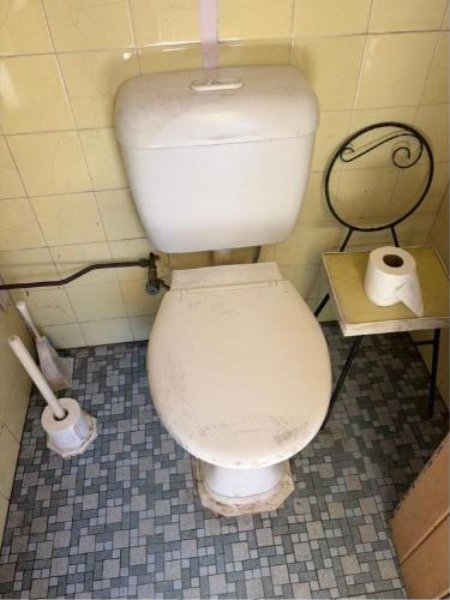
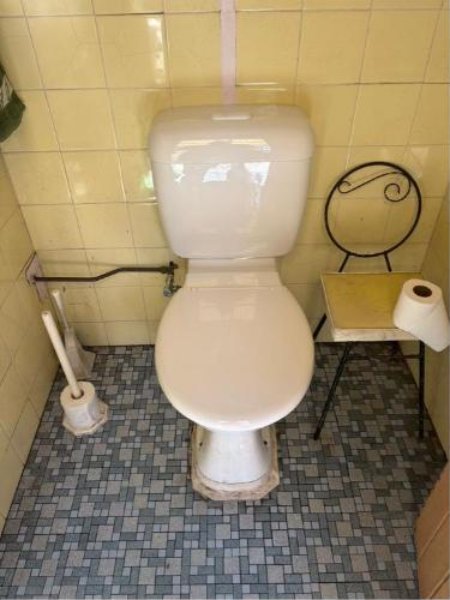
Here's a recent toilet repair nearby in Chifley.
Toilet leaking at the back repaired, Chifley (nearby)
The problem: a toilet in a Chifley home was leaking at the back.
What we did: we tracked down where the water was getting out and repaired the leak at the back of the toilet.
The result: the toilet works without leaking and the floor stays dry.
“Best plumber in Matraville. Unblocked my drains efficiently!”
C S, Matraville (Google review)
More local work is on our recent projects page.
Phillip Bay, street by street
- Along Yarra Road: older suites in older cottages and bungalows, some with cisterns whose parts are no longer made.
- Around Elaroo Avenue: a mix of original and updated bathrooms.
- Near Bicentennial Park and the Yarra Bay foreshore: toilets in homes full of summer visitors, where worn valves give up under heavy use.
- Towards Yarra Point and Bumborah Point: exposed homes where stop taps and hoses corrode in the damp, salty air.
- Villas, townhouses and small flat blocks: concealed cisterns and upstairs toilets above another home.
How a toilet cistern works
When you press the button, it lifts the flush valve, a large seal at the bottom of the cistern. Water rushes into the bowl and the cistern empties. The flush valve drops back onto its seat and seals. As the water level falls, the float on the inlet valve drops and lets water in. When the water reaches the right level, the float rises and shuts the inlet valve. Water running down the overflow pipe means the inlet valve isn't shutting off. A trickle into the bowl means the flush valve seal is worn. A weak flush usually means the button isn't lifting the valve far enough.
Hoses and stop taps behind the toilet
In coastal homes, the flexible hose and stop tap behind the toilet are worth checking every few months. A hose with brown spots, a rough or fraying braid, or a bulge is close to failing, and a burst toilet hose can flood a bathroom quickly. A stop tap that's seized can't be turned off in a hurry. We replace both with quality parts, and it's a good idea to do every toilet and basin in the home at the same visit. See flexi hose replacement.
Cistern rebuilds
When a toilet has several small problems at once, a cistern rebuild is usually the best value. We replace the inlet valve, the flush valve and its seal, and the button mechanism in one go, and set the water level and flush volume correctly. If the pan and cistern are in good condition, the toilet works like new without the cost of a new suite.
Leaks at the back of the pan
Water at the back of the toilet can come from the pan connector, the hose, the stop tap, or the seal between the cistern and the pan. We dry everything, flush a few times and watch where the water appears. A perished connector or loose pan means removing the toilet, fitting a new connector and seal, and fixing the pan securely to the floor, as in the Chifley job above.
Blocked toilets
Blocked toilets are usually caused by too much paper, wipes, sanitary items or something dropped in by a child. A plunger made for toilets clears many blockages. If something solid has gone down, don't keep flushing. Call us and we'll get it out. If the toilet keeps blocking, the drain is the likely cause.
Outside and second toilets
Some older Phillip Bay homes still have an outside toilet, or a second toilet in the laundry. These often get less use, so their seals dry out and the trap loses water, letting sewer smells in. Flush them every week or two. If one is leaking or running, it's worth repairing before it causes damp or damage.
Old toilets and new suites
If your toilet is old, single-flush, uses a lot of water or keeps needing repairs, a new suite may be better value than another repair. The most important measurement is the set-out: the distance from the wall to the centre of the floor waste, or the height of a wall waste. We can measure it and suggest suites that fit without floor or drain changes.
Running toilets and your water bill
A running toilet is one of the most common causes of wasted water. Even a small trickle into the bowl runs day and night, and a badly running cistern can waste more than everything else in the home put together. In a home that's quiet for a few weeks, a running toilet can waste a lot of water with nobody there to hear it. If you hear a hiss, see a ripple in the bowl, or notice the cistern refilling when nobody has used it, get it fixed. Turning off the toilet's stop tap when you leave the home for a while is a good habit, as long as the stop tap turns freely.
Noisy toilets
Some toilets hiss, whistle or bang when they fill. Old float-arm valves and worn inlet valves are the usual cause, especially where water pressure is high. A bang when the valve shuts off can be water hammer. A modern quiet-fill valve usually fixes the noise. See water hammer.
Sewer smells near the toilet
A sewer smell near the toilet can come from a leaking pan connector, a cracked seal under the pan, or a dry trap in a nearby floor waste. In older homes, it can also come from a cracked drain under the floor or a vent problem. We check the connector and seal first, then the floor waste, then the drain and vent if needed. See sewer vent pipes.
Concealed cisterns
Updated bathrooms sometimes have concealed cisterns behind a flush plate. The plate lifts or unclips to give access to the valves. With the right parts for the brand, we can replace the inlet valve, flush valve and button mechanism without touching the tiles. A photo of the flush plate helps us bring the right parts.
Toilets for every age
Soft-close seats stop slammed lids and pinched fingers. Wall-faced pans are quicker to clean. Taller pans are easier for older family members, and grab rails fixed securely into the framing add safety. If you're replacing a toilet, think about who will use it in the years ahead.
Getting ready for our visit
- Send a photo of the toilet, the button and the hose and stop tap behind it.
- Note the brand, usually printed inside the cistern or on the pan.
- Clear the area around the toilet.
- Tell us about access: gates, dogs, stairs and parking.
- Mention anything else you'd like looked at while we're there.
Looking after your toilet
- Only flush toilet paper. Wipes, even 'flushable' ones, cause blockages.
- Avoid drop-in cistern tablets; they can damage seals and valves.
- Do the food colouring test twice a year.
- Check the hose and stop tap behind the toilet every few months.
- Flush rarely used toilets every week or two.
What to expect on the day
We give you a time window and let you know when we're on the way. Most toilet repairs are done in one visit with parts from the van. We protect the floor, turn off the water, find the fault and explain your options before we start. Once it's repaired, we test it with several flushes and check for leaks.
Summer, visitors and the toilet
When the house is full over summer, the toilet works overtime. More flushes mean more wear on valves and buttons, and more paper means more chance of a blockage. Sand from the beach also finds its way into bathrooms. If a cistern has been running slowly, or the button has been sticking, get it fixed before the busy season. If the toilet blocks while the house is full, stop flushing, use the plunger, and call us if it doesn't clear. We'll get it working again and check the drain if it keeps happening.
Why we check the whole toilet
When we're called out for one toilet problem, we check the rest of the toilet too: the stop tap, the hose, the pan connector, the seat fixings and the flush. It only takes a few minutes and often finds something close to failing, especially the hose and stop tap in a coastal home. We'll tell you what we found and let you decide what to do now and what to leave.
Repairs that last
We use quality valves and seals that suit your cistern, and quality hoses and stop taps that stand up better to damp coastal air. When we reset a pan, we use a new connector and seal and fix the pan securely. Every repair is tested before we leave, and our labour is covered by a lifetime warranty.
Why Phillip Bay homeowners call us
We're a short drive away in Matraville and repair toilets across Phillip Bay, Little Bay, Chifley and Phillip Bay. Most jobs are done in one visit with parts from the van. You get options and a fixed price before any work starts.
Toilet seats and buttons
Loose or broken seats are a small thing, but they're annoying and can make the pan shift. Seat hinges with metal parts can corrode in damp coastal bathrooms. Push buttons and flush plates also wear out: the plastic cracks, the spring weakens or the cable stretches. Most can be replaced on their own without replacing the cistern.
When to repair and when to replace
Most toilet problems are repairs, not replacements. Valves, seals, buttons, hoses and connectors are all replaceable parts, and a rebuilt cistern on a sound pan will give years of good service. Replacement makes sense when the pan or cistern is cracked, when parts for an old cistern aren't available, when an old single-flush toilet is wasting water, or when you want a taller or easier-to-clean suite. We'll tell you honestly which applies to your toilet and give you a fixed price for each option.
Toilets in homes that sit quiet
If your home is empty for weeks at a time, the water in the toilet trap can evaporate and let sewer smells in, and cistern seals can dry out. When you arrive, flush each toilet a couple of times and run the basins and showers. Turning the toilet stop taps off before you leave stops a running cistern wasting water while nobody's there.
Sand and toilets
Beach sand finds its way into bathrooms on feet, towels and swimwear. A little sand in the toilet doesn't matter, but rinsing sandy gear in the toilet or flushing sand down in quantity can build up in the trap and the drain beyond it. Shake towels and gear outside and rinse off under an outdoor shower where you can. If the toilet starts draining slowly after a summer of beach days, the drain may need jetting to clear sand that has settled in it.
If you'd like the whole bathroom checked while we're there, including the basin, shower, floor waste and the hoses under the vanity, just ask. It's quick and often finds a small problem before it becomes a bigger one.
Toilets on timber floors
Many of the older homes along Yarra Road have toilets sitting on suspended timber floors. A small weep at the pan seal or the pan connector soaks into the boards around the pan, and over months it can soften the floor or rot the timber below before anything shows inside. A pan that rocks slightly, a floor that feels soft beside it, or a musty smell in the bathroom are worth having checked early. We re-seat the pan on a new seal, fix it down firmly, and look underneath where there's access.
Sand and the cistern
In a sandy household, fine grit gets into the water supply after mains work and into cisterns from rinsed hands and feet. A single grain under the outlet seal is enough to start a slow, constant trickle into the pan. When we rebuild a cistern, we clean the seat the seal closes on, not just swap the seal, so the repair lasts.
Toilet words explained
- Cistern: the tank that holds the flush water.
- Pan: the bowl you sit on.
- Inlet valve: refills the cistern after a flush.
- Flush valve: holds water in the cistern and releases it when you flush.
- Pan connector: joins the pan to the drain.
- Set-out: the distance from the wall to the centre of the drain.
- Stop tap: the small valve that turns off water to the toilet.
What happens when you call
Tell us what's going on
Call or send a quick form. A photo of the problem helps us come prepared. No call-out fee.
Options and a fixed price first
We find the cause, explain your options and give you a fixed price for each before any work starts.
Fixed, tested and backed
We do the work, test it, clean up, and back our workmanship with a lifetime labour warranty.
Why Phillip Bay homeowners call us
- Based in Matraville, a short drive from Phillip Bay
- Rated 5.0 from 110 Google reviews
- Free quotes, with options and a fixed price before any work starts
- Lifetime labour warranty on our workmanship
- Licensed plumbers, drainers and gasfitters (Lic. 398171C)
Toilet repair questions from Phillip Bay homeowners
Why does my toilet keep running?
Usually a worn flush valve seal or inlet valve.
Why is the hose behind my toilet rusty?
Damp, salty air can corrode the braid. Replace it before it bursts.
My stop tap won't turn. What do I do?
Don't force it. We can replace it.
Why is my toilet leaking at the back?
Often a perished pan connector, a loose pan or a leaking hose.
What is a cistern rebuild?
Replacing the inlet valve, flush valve and button together so the toilet works like new.
My toilet keeps blocking. Is it the toilet?
Often it's the drain. We check both.
Can you replace my toilet?
Yes, with a suite that fits your set-out.
How long does a repair take?
Most valve repairs take under an hour.
Do you carry parts?
Yes, common valves, buttons, hoses and connectors are in the van.
What's the food colouring test?
A few drops in the cistern and no flushing for 20 minutes. Colour in the bowl means a leak.
Can you fix an outside toilet?
Yes.
What warranty do I get?
Our workmanship carries a lifetime labour warranty.
More plumbing in Phillip Bay: our Phillip Bay plumber page, taps and toilets, blocked drains and leak detection. Nearby: toilet repair in Little Bay, Chifley and Malabar. Guides: leaking toilet and running toilets and dripping taps.