Sewer repairs in Little Bay 2036
Little Bay's wastewater doesn't have far to go. Sydney Water's Malabar treatment plant sits just around the coast, and its deep ocean outfall is a big part of why Little Bay Beach has some of the cleanest water in Sydney. Getting your home's wastewater into that system starts with your private sewer, and in Little Bay that can mean anything from a 70-year-old clay line under a War Ballot home to a PVC pipe shared by a row of townhouses on the old Prince Henry Hospital site. When it fails, the warning signs are the same: gurgling, slow drains and a gully that fills when you least want it to.
Signs your sewer has a problem
- Toilet, shower and basin slow at the same time.
- Gurgling in the toilet when another fixture drains.
- The overflow gully filling or spilling.
- Water backing up into the dishwasher or shower.
- A sewage smell near the gully or an inspection opening.
- Neighbours affected at the same time, in a townhouse complex.
- A blockage that keeps coming back.
One slow fixture is usually a local problem. Several at once point to the main line. See gurgling drains.
What goes wrong with Little Bay sewers
Clay lines on War Ballot blocks
The 1950s homes on Little Bay's War Ballot land were connected with clay pipe. The joints have opened over the decades, and roots from established gardens and street trees have found them. Root blockages are the most common sewer job in the older part of the suburb.
Grease in kitchen lines
Our recent Little Bay job was a kitchen line blocked with grease, and it's typical. Fat and oil cool in the pipe and coat the walls. Eventually the kitchen sink stops draining, the dishwasher backs up, and the gully outside spills.
Rock and shallow pipes
Parts of Little Bay are rocky. Sewers laid shallow over rock crack where they rest on high points, and roots wedge between pipe and rock.
Shared lines on the hospital site
Many of the townhouses and some houses built on the former Prince Henry Hospital site share a private sewer before it reaches the main. One blockage there affects several homes.
Old junctions on rebuilt blocks
Where an older Little Bay home has been rebuilt or extended, new PVC drains often join the original clay at an old junction, which is a common failure point.
Rainwater in the sewer
If your gully spills mainly in heavy rain, stormwater is getting into the sewer through a connected downpipe, a broken cap or cracked pipe. See downpipes into the sewer.
Little Bay homes and their sewers
| Home type | Typical sewer | What we often find |
|---|---|---|
| Post-war War Ballot homes | Clay to a main at the rear or front | Roots at many joints, old gullies |
| Extended older homes | Clay joined to newer PVC | Failed junctions |
| Houses on the hospital site | PVC, sometimes shared | A few separated joints, grease |
| Townhouses | Shared lines under common driveways | Blockages affecting several homes |
| Apartments | Building stacks and shared lines | Usually a building matter |
How we repair a sewer
- Clear it with a high-pressure jetter so the home can be used again.
- Camera it and locate each fault from above.
- Work out whose it is: yours, shared, or Sydney Water's.
- Give you options with a fixed price: maintenance clearing, patch relining, a longer reline, or a dig-up repair.
- Repair it: relining for cracks and joints, PVC replacement for collapsed or dropped sections.
- Camera it again and test with water.
Sewer blockages
Cleared with high-pressure jetting that cuts roots and scours grease.
CCTV inspections
Recorded footage showing what's wrong and where.
Patch relining
Cracked and root-affected joints sealed. See pipe relining in Little Bay.
Dig-up repairs
Collapsed or dropped sections replaced with PVC at the right fall.
Shared line repairs
Lines in townhouse complexes cleared and repaired.
Gullies and openings
Overflow gullies fixed and inspection openings added.
Clear, reline or dig?
| What the camera shows | Short-term | Long-term fix |
|---|---|---|
| Roots at a few clay joints | Cut them out | Patch reline |
| Roots at most joints | Regular jetting | Longer reline |
| Grease coating the pipe | Jet clean | Change habits |
| Crack where the pipe sits on rock | Jet and monitor | Reline the crack |
| Collapsed section | Not an option | Dig and replace |
What affects the cost
- The fault and how many places need work.
- Ground: rock is slow to dig.
- What's on top: lawn, paving, concrete.
- The method: relining avoids digging.
- Shared lines, where costs are split.
- Making good.
You get a fixed price for each option before any work starts.
Who's responsible?
- You: the private sewer serving your home, out to the connection with a shared line or the main.
- Townhouse complexes and apartments: shared lines and common property are usually the owners corporation's.
- Sydney Water: the mains and access chambers. If a manhole overflows, call Sydney Water.
See our sewer responsibility guide.
The overflow gully
The overflow relief gully is the grated outlet outside, often near the kitchen or laundry. In our Little Bay grease job, the spilling gully outside the kitchen window is what told us the blockage was down the line, not in the sink. It's designed to let sewage overflow outside rather than inside, but only if it's uncovered and lower than every drain in the house. Keep it clear.
Quick checks you can do
- Lift the gully grate. Water should sit low.
- Run the washing machine or empty a laundry tub and look again.
- In a complex, ask neighbours if their drains are slow too.
- Note which drains are slow.
- If sewage is overflowing, stop using water and keep people and pets away.
Avoid chemical drain cleaners. See chemical drain cleaners.
Signs it's urgent and when it can wait
- Call straight away if sewage is coming up inside, the gully is overflowing, or nothing drains.
- Call soon if drains are slow and gurgling.
- Plan the repair if a camera has shown roots or cracks but the line still runs.
A recent sewer job in Little Bay
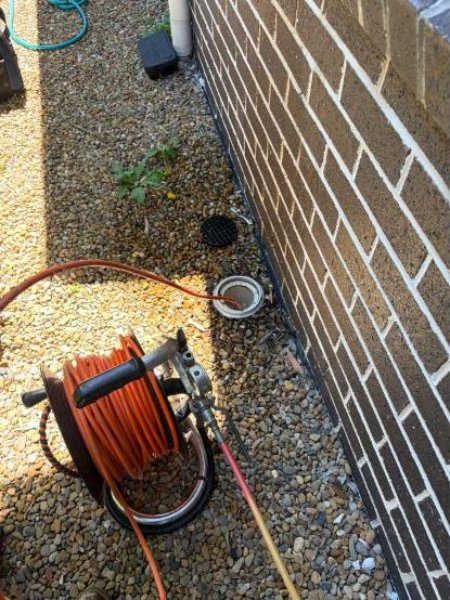
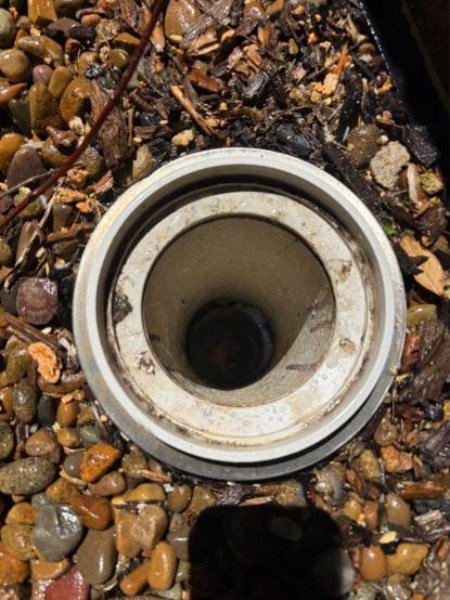
Here's a recent job right here in Little Bay.
Kitchen line blocked with grease, Little Bay
The problem: a Little Bay home had a blocked kitchen sink, and dirty water was backing up into the dishwasher.
What we did: the overflow gully outside the kitchen window was spilling, which showed the blockage was further down the line, not in the sink. Grease had built up in the pipe. We cleared it with our high-pressure jetter, breaking the grease down and flushing it through.
The result: we filled both sink bowls and let them go together to flush the line and make sure everything drained freely.
More local work is on our recent projects page.
“Best plumber in Matraville. Unblocked my drains efficiently!”
C S, Matraville (Google review)
Sewers across Little Bay, area by area
- The older War Ballot streets: clay sewers with roots, and mature gardens.
- Around the golf courses: big trees near the lines.
- The former Prince Henry Hospital site: PVC lines, shared runs in townhouse complexes.
- Near the beach and Henry Head: rocky ground and shallow pipes.
- Rebuilt older blocks: new drains joined to old clay.
Grease: the kitchen line problem
Kitchen lines in Little Bay homes carry fat and oil from cooking. It cools and sticks to the pipe, and over months or years it narrows the line. The signs are a slow kitchen sink, a gurgling dishwasher, and finally a gully spilling outside. Jetting scours the grease off the pipe wall rather than just punching a hole through. To keep it clear: wipe pans with paper towel before washing, scrape plates into the bin, and run hot water after the dishwasher.
When a townhouse line blocks
On the former hospital site, many townhouses share a sewer line along a common driveway. When several homes have slow drains or spilling gullies at the same time, that shared line is the likely cause. Let the owners corporation know. We'll clear it from a common access point, camera it, and give a report and a fixed price. If the blockage is in your own branch before it joins, that part is yours.
Building or extending?
The larger blocks in older Little Bay suit granny flats and extensions. Before you design, find out where your sewer runs and whether a Sydney Water main crosses the block. There are rules about building over or near a main. A camera inspection with the line marked gives your designer the facts.
Buying an older home?
A building inspection doesn't look inside the sewer. On a War Ballot-era home, a camera inspection before you exchange shows whether the clay line is sound and what it would take to fix.
Looking after your sewer
- Flush only toilet paper.
- Wipe fat from pans before washing up.
- Keep trees away from the sewer line.
- Keep the gully uncovered and below floor wastes.
- If you've had roots, book a yearly jet and camera check.
- Rinse sand off beach gear outside, not in the laundry tub.
Sewer smells without a blockage
A sewer smell can come from a dried-out floor waste, a loose inspection cap, a cracked vent pipe or a failed toilet seal. Pour water into unused floor wastes first. If the smell persists, we check the rest. See sewer vent pipes.
Sewer words explained
- House drain: your private sewer from the house to the connection.
- Sewer main: Sydney Water's pipe.
- Shared line: a private sewer serving more than one home.
- Overflow relief gully: the grated outlet outside.
- Inspection opening: a capped access point.
- Fall: the slope a pipe needs.
Our Little Bay grease job, step by step
- The owner called because the kitchen sink wouldn't drain and dirty water was coming up into the dishwasher.
- When we arrived, we checked the overflow gully outside the kitchen window. It was overflowing.
- That told us the blockage wasn't in the sink or its trap, but further down the line where the kitchen drain joins the rest of the sewer.
- We set up the high-pressure jetter at the gully and worked down the line.
- The cause was a build-up of grease inside the pipe. The jetter broke it down and flushed it through.
- To test, we filled both sink bowls and released them together, which sends a big slug of water down the line.
- Everything drained freely, and the gully stayed clear.
If the same line blocks again, the next step would be a camera inspection to see whether a joint is catching the grease.
Where Little Bay's wastewater goes
Wastewater from Little Bay flows through Sydney Water's network to the Malabar treatment plant just around the coast, where it's treated and released through a deep ocean outfall well offshore. Since that outfall opened in 1990, beach water quality along this part of the coast has improved greatly, and Little Bay Beach is now known for its clean water. Your private sewer is the first link in that system. Keeping it free of roots, grease and wipes, and keeping stormwater out of it, helps the whole system work as it should.
Why we camera before we quote
A blockage that's cleared and forgotten often comes back, because the reason it formed is still there. A short camera inspection after clearing shows whether the line is sound, has a joint catching waste, or is full of roots. That tells you whether to monitor, maintain or repair, and it stops unnecessary work: many Little Bay lines need one or two patches, not a new pipe.
When the problem is the main
If the camera shows your line is clear all the way to the junction, the blockage is in Sydney Water's main. Neighbours on the same main are often affected too. We'll show you the footage so you can report it. You shouldn't pay for work on their pipe.
On the day
We give you a time window and let you know when we're on the way. If anything is overflowing, we clear it first so the house can be used. Then we camera the line and show you the footage, explain the options and give you a fixed price for each. Floors inside are protected with mats, mess outside is contained, and we clean and disinfect where we've worked. If digging is needed, we mark the spot and explain what will be lifted and how it will be put back, which matters in rocky ground where digging takes longer.
Roots and the Little Bay spring
As the weather warms in spring, trees grow fast, and roots already inside a cracked clay joint can fill a pipe within weeks. If your older Little Bay home's drains slow down around September or October each year, that's the pattern. A maintenance jet in late winter buys time; relining the affected joints ends it.
Adding an inspection opening
Some older Little Bay homes have only the overflow gully to work from. Adding an inspection opening near the boundary means future blockages can be cleared from the right spot and the line can be cameraed properly. It's a small job, finished flush, and it's included in our fixed price when a repair needs it.
A sewer care calendar
- Late winter: check the gully grate and inspection caps.
- Spring: book a maintenance jet if your line has had roots.
- Before storm season: make sure downpipes go to stormwater, not the sewer.
- Before building: locate the line and any main.
- Whenever a drain slows: call early.
Sand from the beach
Living this close to Little Bay Beach, plenty of sand comes home on towels, wetsuits, boards and feet. Rinsed in the laundry tub or shower, it goes into the drains, settles in the flattest parts of the pipe, and helps blockages form. Rinse sandy gear outside on the lawn or with a hose, and keep a mat at the door.
Sewers in rocky ground
Where a Little Bay sewer runs through rock, repairs need more thought. Digging means cutting rock, which is slow and noisy, and the pipe may have been laid shallow to avoid it in the first place. When the camera shows a crack where the pipe rests on rock, relining from an access point is usually the best fix. If a section has collapsed, we plan the dig carefully, re-bed the new pipe in sand so it isn't resting on rock, and keep the fall right.
Granny flats and extensions
Plenty of older Little Bay homes have added a granny flat or rear extension, with its drains joined into the original sewer. If the granny flat drains slowly or its toilet gurgles while the main house is fine, the junction where it joins is the first place we look. A badly angled or poorly bedded join catches waste and lets roots in.
Boundary connections
Where your sewer joins Sydney Water's main, there's a junction at or near the boundary. On older blocks it's as old as the house. Roots and ground movement often show there. If the camera shows the fault at the junction, we'll explain whether it's on your side or part of the main.
What not to put down the drain
- Wet wipes, including the flushable ones.
- Fat, oil and grease.
- Sanitary products and cotton buds.
- Sand from beach gear.
- Paint, grout or cement slurry.
Two kinds of Little Bay sewer
| Older War Ballot homes | Newer hospital-site homes | |
|---|---|---|
| Pipe | Glazed clay | PVC |
| Age | About 70 years | Under 25 years |
| Common fault | Roots and cracks at joints | Grease, a few separated joints, shared-line blockages |
| Who's responsible | Usually you, to the main | You for your branch; the owners corporation for shared lines |
| Typical fix | Patches or a longer reline | A clear, sometimes a patch |
Courtyard gullies in newer homes
Newer homes on the hospital site often have the overflow gully in a paved courtyard or side path. When paving is relaid, gullies can end up covered, behind planters or set too high. If your gully is higher than a floor waste inside, sewage will come up indoors first in a blockage. Resetting it at the right level is a small job that matters.
Apartments
In Little Bay apartment buildings, drains from each unit join stacks and shared lines in the building. A blockage in your kitchen or bathroom branch is yours; one in the shared pipes is the building's. If several units are affected, tell your building manager. We'll clear what's in your unit and tell you clearly if the problem is beyond it.
Stormwater getting into the sewer
If your overflow gully spills mostly when it rains, rainwater is getting into the sewer. In older Little Bay homes, the usual causes are a downpipe or yard drain that was connected to the sewer long ago, a broken inspection cap that lets surface water in, or a gully set so low in a garden bed that rain pours into it. It isn't allowed, and in a big storm it can push sewage out of your gully or a neighbour's. We find the connection with a dye test or camera and move it to the stormwater system.
Fixing it also helps the wider system. The less rainwater in the sewer, the less load on the network and the treatment plant down the coast.
What happens when you call
Tell us what's going on
Call or send a quick form. A photo of the problem helps us come prepared. No call-out fee.
Options and a fixed price first
We find the cause, explain your options and give you a fixed price for each before any work starts.
Fixed, tested and backed
We do the work, test it, clean up, and back our workmanship with a lifetime labour warranty.
Jobs we finished recently
Why Little Bay homeowners call us
- Based in Matraville, just up the road from Little Bay
- Rated 5.0 from 110 Google reviews
- Free quotes, with options and a fixed price before any work starts
- Lifetime labour warranty on our workmanship
- Licensed plumbers, drainers and gasfitters (Lic. 398171C)
Sewer questions from Little Bay homeowners
Why does my sewer keep blocking?
Usually roots through clay joints, grease, or a cracked or dropped section. A camera inspection finds it.
Why is dirty water coming up in my dishwasher?
Often a blocked kitchen line further down. If the gully outside is spilling, the blockage is past the sink.
Who is responsible for my sewer?
You are, out to the connection with a shared line or the main. Shared lines are usually the owners corporation's.
Do you have to dig?
Not always. Many faults can be relined.
Our townhouse complex has slow drains. Whose problem?
Probably the shared line, usually the owners corporation's.
Can roots be stopped for good?
Sealing the joint with a reline or replacing the pipe stops them.
What is the grated pipe outside?
The overflow relief gully. Keep it uncovered and below your floor wastes.
Is a camera inspection worth it?
Yes, for repeat blockages, before buying, or before building.
What should I do if sewage overflows?
Stop using water, keep people and pets away, and call us.
Can you find where my sewer runs?
Yes, with a camera and locator.
Can I build over my sewer?
Building over or near a Sydney Water main has rules. Check first.
How long does a repair take?
A clear is quick. A reline or short dig is usually done in a day.
More plumbing in Little Bay: our Little Bay plumber page, blocked drains, pipe relining, stormwater and leak detection. Nearby: sewer repairs in Malabar and Matraville. Guides: sewer responsibility, tree roots in pipes and blocked drains guide.