Toilet repairs in Matraville 2036
A running toilet wastes water around the clock, and a leak at the base can quietly ruin the floor. We're based on Girawah Place in Matraville and fix toilets in homes across the suburb, from original post-war houses around Bunnerong Road and Franklin Street to new duplexes and townhouses on rebuilt blocks.
Toilet problems we fix in Matraville
Running or refilling cisterns
Worn inlet valves and outlet seals replaced so the cistern fills once and stops.
Leaks at the base
Pan connectors and seals replaced and the pan re-secured so waste stays in the pipe.
Weak or double flushes
Water level set, flush valves replaced and scale cleared from the rim.
Blocked toilets
Pans cleared, and the drain checked with a camera if it keeps happening.
Broken buttons and levers
Push buttons, levers and internal linkages replaced to suit your cistern.
New toilet suites
Old, cracked or water-hungry toilets replaced with a suite that fits your bathroom.
Signs your toilet needs attention
- You can hear the cistern trickling or refilling when no one has flushed.
- Water on the floor around the base, behind the pan or under the cistern.
- You need to flush twice or hold the button down.
- The pan rocks when you sit on it.
- The water level in the bowl rises when you flush, or drains away slowly.
- The stop tap behind the toilet won't turn or drips when you touch it.
- A crack in the pan or cistern, however small.
Why toilets fail in Matraville homes
Worn parts in long-serving cisterns
Many Matraville bathrooms were last updated in the 1980s or 1990s. Rubber seals, inlet valves and flush valves in those cisterns have done 30 or 40 years of work. They harden, warp and let water past. Replacing the inlet and outlet together usually fixes a running toilet for years.
Old clay drains under post-war homes
A toilet that blocks often in a post-war Matraville house is usually telling you about the drain, not the toilet. Original clay sewers in the sandy ground get roots and sags. See sewer repairs in Matraville.
Laundry and outside toilets
Plenty of older Matraville homes have a second toilet in the laundry or in a room at the back. These toilets are often the oldest in the house, with stiff stop taps, exposed pipes and long drain runs. See toilet in the outside laundry.
New homes and concealed cisterns
Duplexes and townhouses built on redeveloped Matraville blocks often have wall-hung toilets with concealed cisterns. They look neat and save space, but repairs are done through the button plate, and parts are specific to each brand.
High water pressure
High mains pressure makes inlet valves wear faster and can cause whistling or banging when the cistern refills. A pressure limiting valve at the meter protects toilets, taps and appliances.
Toilets in different Matraville homes
Original post-war houses
Separate toilet rooms with floor wastes, often on timber floors. Older close-coupled or wall-mounted cisterns. Check the floor for soft spots if the toilet has leaked for a while.
Updated and extended homes
Ensuites added in extensions, connected to the original drain. If the new toilet gurgles or drains slowly, the connection or the fall may be the problem.
Duplexes and townhouses
Back-to-wall and wall-hung suites, concealed cisterns, and plastic waste pipes. Most faults are in the cistern parts or the button mechanism.
Granny flats
Many Matraville backyards now have a granny flat. Toilets there are often on a long drain run to the main sewer, so a slow flush can point to the line rather than the toilet.
When a toilet keeps blocking
A toilet that blocks once is usually too much paper or something that shouldn't have been flushed. A toilet that blocks again and again is a different story. In Matraville, repeat blockages usually come from the drain: roots in an old clay line, a sag where the sand has settled, or a poor connection where a newer bathroom joins the old sewer. The giveaways are a toilet that drains slowly even after it's been cleared, gurgling from other fixtures, and water rising in the shower when you flush.
We clear the toilet, then run a camera down the drain to see what's going on. If there's a fault, you'll see it on screen and get a fixed price to fix it, so you're not calling a plumber every few months for the same blockage. See blocked toilet.
Making a toilet easier to use
As households change, the toilet that suited a family for 30 years may not suit an older parent or someone recovering from surgery. Some simple changes help:
- A taller pan makes sitting and standing easier.
- A larger, easy-press button or a lever flush is easier for stiff hands.
- A soft-close seat that won't slam.
- Moving the toilet roll holder and leaving room beside the pan for support, which is easier to plan when the toilet is being replaced.
If you're thinking about a bidet seat, it usually needs a power point near the toilet and a tee off the water supply. We can fit the plumbing side and tell you what the electrician will need.
Adding a toilet
Many Matraville owners want a second toilet, a powder room, or a toilet in a granny flat or studio. Adding one means connecting it to the sewer with the right fall, and in some cases approvals are needed. We look at where the nearest sewer line runs and whether the new toilet can connect to it, then give you options. Getting this right early saves money during the build.
Toilets and your water bill
Old single-flush toilets can use a lot of water every flush, and a cistern that runs all day uses far more. A modern dual-flush suite with a good WELS rating uses much less. If you're replacing a toilet anyway, the water saving adds up over the years, especially in a household with several people.
How we fix toilets
- Find the cause: cistern parts, water connection, pan seal or the drain below.
- Give you options: repair the faulty parts, replace the cistern, or replace the whole suite, each with a fixed price.
- Do the work with quality parts, a new hose or stop tap if needed, and the pan sealed and secured.
- Test: several full and half flushes, check for leaks and set the water level.
- Clean up and take the old parts or suite away.
Fixing a running cistern step by step
- Turn off the stop tap behind the toilet and flush to empty the cistern.
- Look at the overflow tube. If water was running into it, the inlet valve is faulty. If not, the outlet seal is letting water through.
- Remove the faulty valve or seal and fit a quality replacement that suits your cistern.
- Turn the water back on and set the fill level so the cistern gives a full flush without overflowing.
- Flush several times and check the hose, stop tap and pan connection for drips.
Repair or replace?
| Problem | Usually a repair | Usually a replacement |
|---|---|---|
| Running cistern | New inlet valve and outlet seal | Cistern is very old and parts aren't made |
| Leak at the base | New pan connector and seal | Cracked pan or damaged floor waste |
| Weak flush | Set the level, new flush valve | Old single-flush toilet |
| Rocking pan | Re-secure and re-seal | Broken pan base or fixings |
| Cracked pan or cistern | Not repairable | New cistern or suite |
Leaks you can't see: under the floor and in the wall
Some toilet leaks never show on the floor. In older Matraville homes with timber floors, a failed pan seal can leak under the floorboards, where it rots the bearers and joists and raises the damp under the house. In newer homes with concealed cisterns, a leaking valve inside the wall can soak the frame. Signs include a musty smell, a soft or springy floor near the toilet, loose tiles, or damp on the other side of the wall. If you notice any of these, don't wait; it's usually a simple repair if caught early, and a much bigger one if it isn't.
Toilet parts we carry
To get most toilets fixed in one visit, we carry the parts that fail most often:
- Inlet valves for bottom-entry and side-entry cisterns.
- Outlet valves, flush valve washers and seals for common brands.
- Pan connectors for floor and wall wastes.
- Flexible hoses and stop taps.
- Push buttons and linkages for popular cisterns.
- Toilet seats in common sizes.
If your toilet needs something we don't carry, we'll identify the exact part, order it and come back. We'll tell you whether the toilet can be used in the meantime.
Homes with more than one toilet
In a home with two or three toilets, plus perhaps one in a granny flat, a toilet that's rarely used can run for weeks before anyone notices. Do the dye test on every toilet a couple of times a year, and listen for trickling when the house is quiet at night. If one toilet is hardly ever used, flush it every week or two so the seals don't dry out and the trap stays full, which also stops sewer smells.
Cleaning products and your cistern
Strong cleaners and bleach left sitting in the bowl are fine for the porcelain, but tablets and chemicals dropped into the cistern can attack rubber seals and plastic parts. If you like a blue bowl, use a clip-on rim block instead. Scale building up under the rim can weaken the flush; a toilet brush and a mild descaler used regularly keeps the rim holes clear.
Why we test before we leave
After any toilet repair, we flush it several times on full and half flush, watch it refill, check the water level is right, and look and feel around the hose, stop tap, cistern and pan for any drip. We also make sure the cistern lid and button sit properly. It takes a few extra minutes, but it means you're not calling us back because something we touched is still weeping.
Choosing a new toilet
- Measure the set-out: the distance from the wall to the centre of the waste. Older bathrooms often suit only some models. We'll measure it for you.
- Floor or wall waste: S-trap toilets go into the floor, P-trap toilets go into the wall.
- Style: close-coupled suites are easiest to service; back-to-wall hides the pipes; wall-hung needs the wall opened for the frame.
- Water rating: a modern dual-flush toilet uses far less water than an old single-flush one.
- Comfort: taller pans and soft-close seats suit many households.
See toilet replacement and our toilet seat guide.
What affects the cost
- The cistern type: exposed cisterns are quicker; concealed and very old ones take longer.
- Parts: common parts are on the van; some brands need ordering.
- Other worn parts: stop taps and hoses are worth replacing at the same time.
- The drain: if the problem is under the floor, it becomes a drain job.
- A new suite: depends on the model you choose and whether it suits the existing waste.
You get a fixed price before any work starts.
Who's responsible?
- You (the homeowner): the toilet, cistern, water connection and the waste pipe on your property.
- Sydney Water: the sewer main. If neighbours are having sewage problems too, or a manhole is overflowing, call Sydney Water.
- Duplexes and units: the toilet in your own home is yours; shared pipes are usually shared.
Quick checks you can do
- Dye test: put a few drops of food colouring in the cistern. If colour appears in the bowl within 20 minutes without flushing, the outlet seal is leaking.
- Water level: lift the lid. If water is running into the overflow tube, the inlet valve isn't shutting off.
- Find a leak: dry everything, then wrap dry paper towel around the hose, the base and under the cistern to see where water appears first.
- Stop tap: try turning it. If it's seized or leaks, it needs replacing.
What our customers say
“I called [the team at] Scalici Plumbing Group to clear my blocked drain and fix my leaking toilet in Maroubra. Great company to deal with, highly recommended.”
Chris L., Maroubra (Google review)
Our recent toilet repair near Matraville
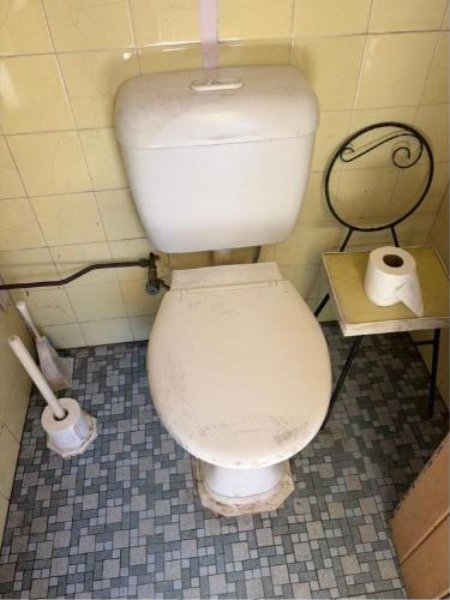
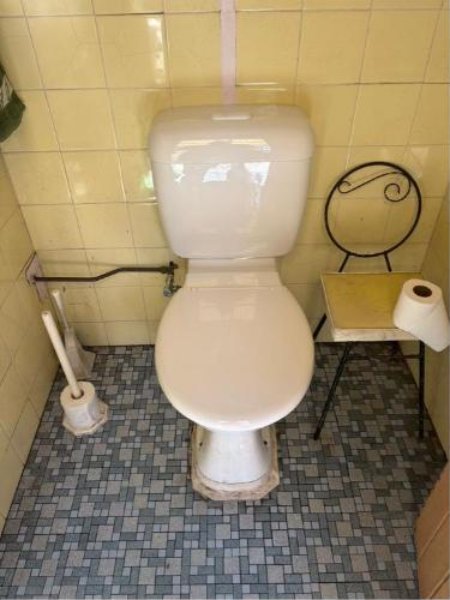
Leaking back toilet repaired, Chifley
The problem: a toilet in a Chifley home, a few minutes south of Matraville, was leaking at the back.
What we did: we tracked down where the water was getting out and repaired the leak at the back of the toilet.
The result: the toilet works without leaking and the floor stays dry.
More local jobs are on our recent projects page.
Toilets across Matraville, area by area
- Around Bunnerong Road and Franklin Street: original homes with older cisterns, laundry toilets and clay drains.
- Off Australia Avenue: homes with 1980s and 1990s bathrooms where cistern parts are now worn out.
- Rebuilt blocks: duplexes and townhouses with concealed cisterns and wall-hung pans.
- Granny flats: toilets on long drain runs to the main sewer.
Signs a toilet problem is urgent and when it can wait
- Call us soon if the toilet overflows, water leaks from the base when you flush, the pan or cistern is cracked, or water won't stop running and the stop tap won't turn off.
- Book a time if the cistern refills now and then, the flush is weak or the button sticks.
- Tell us if it's your only toilet so we can plan the visit around that.
Toilet words explained
- Cistern: the tank that holds the flush water.
- Inlet valve: refills the cistern and shuts off at the set level.
- Outlet (flush) valve: releases water into the pan when you flush.
- Pan connector: seals the pan to the waste pipe.
- Set-out: the distance from the wall to the centre of the waste pipe.
- Stop tap: the small tap that turns off the water to the toilet.
Looking after your toilet
- Flush only toilet paper. Wipes, even flushable ones, cause blockages.
- Avoid drop-in cistern tablets that can perish rubber seals.
- Turn the stop tap now and then so it doesn't seize.
- Fix small leaks early before they damage the floor.
- If a toilet is rarely used, flush it every week or two so the seals stay wet and the trap stays full.
Save water with a running toilet fixed
A cistern that trickles into the pan all day wastes a surprising amount of water over a quarter, and it shows on the bill. If your bill has gone up and you can't see a leak, check the toilets first with the dye test above. If you have a rainwater tank, toilets can often run from it. See toilets on rainwater.
What to expect on the day
We give you a time window and let you know when we're on the way. Most toilet repairs are done in one visit with parts from the van. If your cistern needs a special part, we'll order it and come back to fit it. We protect the bathroom floor, test the toilet several times before we go and take the old parts with us.
If we spot anything else while we're there, like a seized stop tap, a perished hose or signs of a drain problem, we'll point it out and let you decide whether to deal with it now or later. You only pay for what you agree to.
Toilet noises and what they usually mean
Toilets often tell you something is wrong by the sound they make before anything shows on the floor. Here's what the common noises usually point to:
- A hiss or trickle long after the flush: the outlet seal is letting water past, or the inlet valve isn't closing fully.
- A short refill every so often with no one using it: a slow leak past the flush valve. The dye test above will confirm it.
- A loud whistle or squeal while it fills: a worn inlet valve, or mains pressure that's too high for it.
- A bang in the wall when the cistern stops filling: water hammer, often from a fast-closing valve and loose pipes behind the wall.
- Gurgling in the pan when the shower or basin drains: usually the drain or its venting, not the toilet itself.
- A slow, weak swirl with a rumble: scale blocking the rim holes, or a partial blockage further down.
If you can, record the noise on your phone and send it through when you book. It helps us bring the right parts and fix it in one trip.
What happens when you call
Tell us what's going on
Call or send a quick form. A photo of the problem helps us come prepared. No call-out fee.
Options and a fixed price first
We find the cause, explain your options and give you a fixed price for each before any work starts.
Fixed, tested and backed
We do the work, test it, clean up, and back our workmanship with a lifetime labour warranty.
Why Matraville homeowners call us
- Based in Matraville, with our workshop on Girawah Place
- Rated 5.0 from 110 Google reviews
- Free quotes, with options and a fixed price before any work starts
- Lifetime labour warranty on our workmanship
- Licensed plumbers, drainers and gasfitters (Lic. 398171C)
Toilet repair questions from Matraville homeowners
Why does my toilet keep running?
Usually a worn outlet seal letting water into the pan, or an inlet valve that isn't shutting off. Both are common in older cisterns and both can be fixed.
Is it worth fixing an old toilet?
If parts are available and nothing is cracked, usually yes. If it's very old, single-flush or needs several parts, a new suite can be better value. We'll price both.
Why is water around the base of my toilet?
The pan seal, the water connection, the cistern or condensation. If it appears when you flush, it's likely the pan seal, which should be fixed quickly.
Can you repair a concealed cistern?
Yes. Most are repaired through the button plate. We carry parts for common brands and can order others.
My toilet keeps blocking. Is it the toilet?
If it blocks with normal use, the drain is usually the problem: roots, a sag or a partial blockage in the old clay line. We can camera it.
How long does a toilet repair take?
Most repairs take about an hour. A new suite usually takes a few hours.
Can you fix the toilet in my granny flat?
Yes. If it drains slowly, we'll also check the drain run back to the main sewer.
Do you replace stop taps?
Yes. A seized or leaking stop tap is worth replacing so you can turn the water off when you need to.
Why does my toilet whistle when it refills?
Usually a worn inlet valve or high water pressure. A new inlet valve usually fixes it, and a pressure limiting valve helps if pressure is high.
Can you add a toilet to my laundry or granny flat?
Often, yes. We check where the nearest sewer line runs and whether the new toilet can connect with the right fall, then give you options and a fixed price.
What's the dye test?
Put a few drops of food colouring in the cistern and don't flush for 20 minutes. If the colour shows in the bowl, water is leaking past the outlet seal.
Do you take the old toilet away?
Yes. We remove the old toilet or parts and clean up.
More plumbing in Matraville: our Matraville plumber page, taps and toilets, tap repair, blocked drains, sewer repairs and leak detection. Nearby: toilet repairs in Maroubra and Malabar. Related: leaking toilet, toilet leaking at the base and running toilets guide.